Now that Yorgos Lanthimos has more or less announced that he’ll be taking a break from directing—and doesn’t actually know if he’ll ever come back—a few of the projects he has in development are starting to change hands.
Lanthimos had been developing an adaptation of Ottessa Moshfegh’s bestselling novel “My Year of Rest and Relaxation.” Moshfegh has been heavily involved in co-writing the script, with Margot Robbie’s production company, LuckyChap, producing the project.
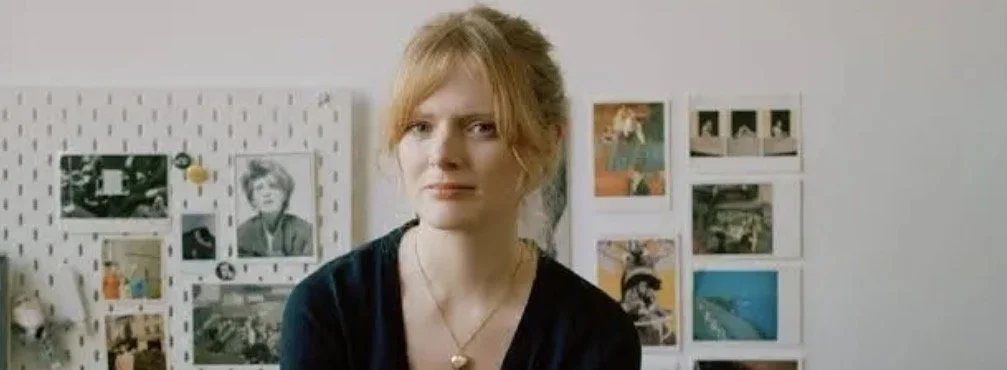
I’m hearing that Lanthimos has now exited the project and been replaced by Rose Glass, the talented filmmaker behind “Love Lies Bleeding.” For now, the screenplay by Lanthimos and Moshfegh remains the blueprint, but don’t be surprised if Glass takes a crack at it and rewrites the whole thing.
There was a point when “My Year of Rest and Relaxation” by Ottessa Moshfegh felt impossible to escape. The novel became one of TikTok’s defining viral reads, inspiring endless conversation and debate. I’ve been tracking this project for a few years now because I think there’s real potential to make a great film from the source material.
Moshfegh’s novel is a darkly funny satire about a wealthy young woman, who remains unnamed, living in New York at the turn of the millennium. Feeling numb and disconnected from the world, she decides the best way to start over is to sleep for an entire year. With the help of an irresponsible psychiatrist who continually prescribes her an ever-growing cocktail of powerful medications, she spends most of her days asleep in her apartment, waking only to eat, shower, or collect more prescriptions before slipping back into another drug-induced sleep.
The biggest question, though, is who will take on the novel’s narrator. While no casting has been confirmed, plenty of names have already been floated by fans, from Dasha Nekrasova and Mia Goth to Alison Oliver and Rachel Sennott.
Glass feels like an inspired choice to adapt “My Year of Rest and Relaxation.” Although she has directed only two features—“Saint Maud” and “Love Lies Bleeding”—both were critically acclaimed and showcased her talent for exploring deeply flawed, complicated female characters, never shying away from their contradictions. If anyone can capture the novel’s dark humor, the emotional detachment, it might be her.

Zach Cregger’s next film, “The Flood,” has found its lead actress, and it’s none other than Jennifer Lawrence. Steven Spielberg is producing. Warner Bros. has it dated for August 11, 2028