


It’s one of the oldest and most well-known stories out there — Homer’s Odyssey, in which a warrior named Odysseus goes on a decades-long journey back to his wife, Penelope. Christopher Nolan had the crazy idea of making a film out of it — despite a few failed Hollywood attempts before him.
The gamble seems to have paid off. “The Odyssey” is a bonafide Oscar contender, and probably the Best Picture frontrunner as we speak. The Academy loves its high-budget epics, especially the well-reviewed kind, and the notices are strong enough that it will undoubtedly be in contention.
Yes, after months of over-the-top social media reactions proclaiming “The Odyssey” the heir to “Lawrence of Arabia,” the review embargo has finally lifted on the damn thing, and so far — an 88 on Metacritic and 99% on Rotten Tomatoes.
On paper, Nolan tackling this material seems apt, especially in the way Homer used time to tell his story. No surprise, Nolan’s film moves backward and forward through its narrative. Then again, this is also a story that features a cyclops and a cyclone, sirens and witches — Nolan has yet to fully delve into outright fantasy with his films, until now.
For sheer ambition alone, Nolan deserves recognition here. Even if his reach often exceeds his grasp, it feels damn-near miraculous that he managed to make a sweeping sword-and-sandals epic with a $250M blank-check canvas bestowed upon him by Universal. That’s part of the pull of “The Odyssey” — they just don’t make ’em like this anymore. The ambition is staggering. The shots are stunning. It’s cinema on the grandest scale.
The film actually begins eight years after Odysseus’ journey has started, with Penelope, played by an expressive Anne Hathaway, trying to fend off suitors who want her hand in marriage. Everyone, save for Penelope and their son Telemachus (Tom Holland), believes Odysseus is dead. Robert Pattinson hams it up as Antinous, the most vulgar of the suitors — think Joaquin Phoenix in “Gladiator,” but with a more amusingly devious edge. He wants Penelope, and more importantly, he wants the throne badly.
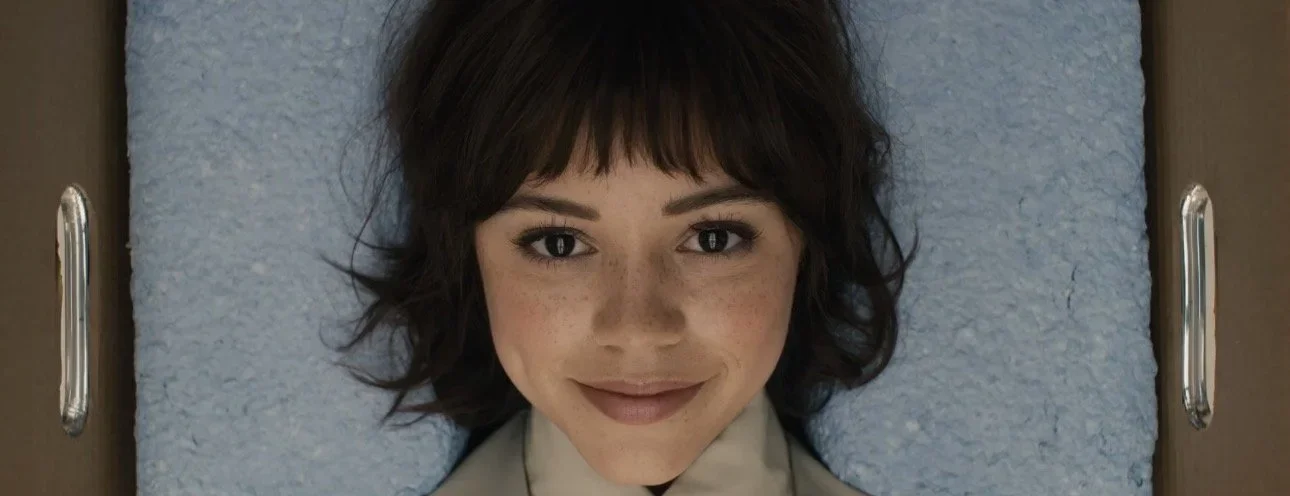
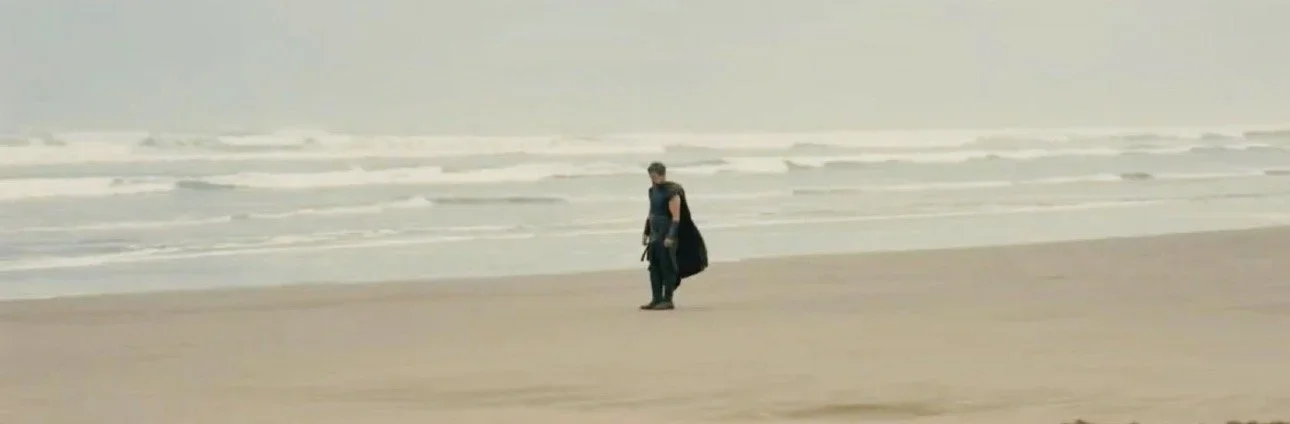
Meanwhile, Odysseus is trapped on a remote shore with Charlize Theron’s Calypso, a nymph whose spell keeps him captive, while visions of Athena (a wasted role for Zendaya) blur his grasp on time and reality. Nolan follows Homer’s fragmented storytelling through flashbacks, but in doing so, turns Calypso into little more than a narrative device in Odysseus’ larger journey.
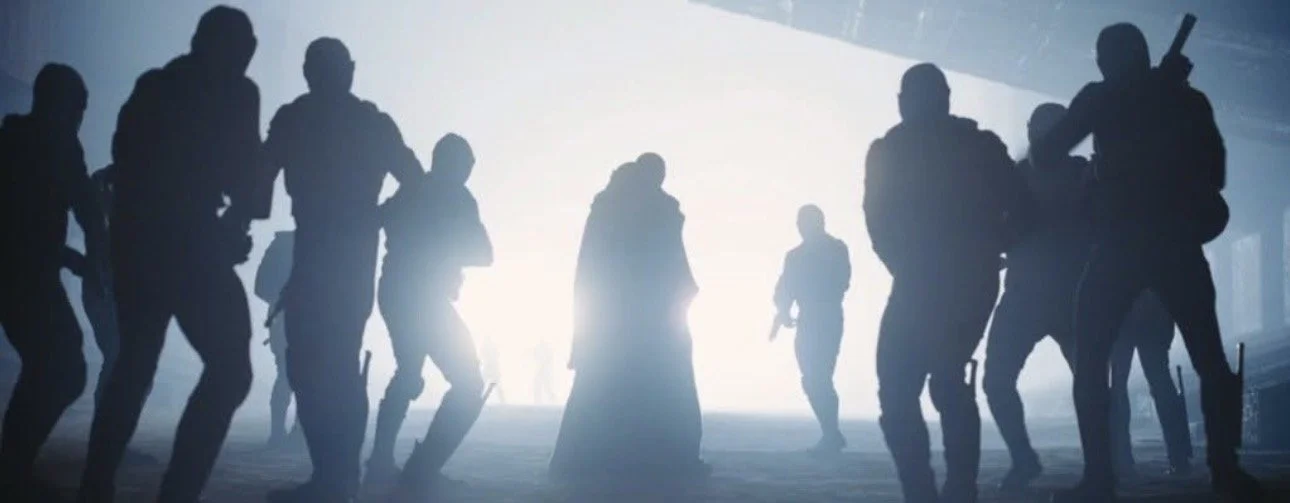
Odysseus gradually starts to remember, and that’s when the film kicks off into high gear. There’s a horrific encounter with Samantha Morton’s Circe, a witch who turns his men into pigs, in a shockingly efficient scene that uses only practical effects. The confrontation with the cyclops, a highlight of the film, is commanded by puppeteer Bill Irwin’s masterful creation — a grotesque monster that devours Homer’s men. These sequences are Nolan indulging in pure fantasy, haunted by the monsters that take shape in the darkness, and it’s sheer magic.
I won’t lie: there are flaws and rough stretches in this near-three-hour film — especially in the set up. Nolan wants us to feel the weight and wear of Odysseus’ journey, but the cumulative force summoned up in the film’s third act is wondrous. That’s when Odysseus finally comes back to Ithaca, disguised a beggar, so he can carefully plan out his chess moves, and regain what was once lost.
Tom Holland is miscast as Telemachus, Odysseus’ son, who ventures into the wild searching for his father. Jon Bernthal is distracting as Menelaus, the Greek king of Sparta. Elliot Page has too slight a frame to be entirely convincing as a warrior, but makes up for it later on. The film can sometimes veer into silliness because of these casting decisions.
Yet this is such an enormous film, as ambitious as any released this decade, that you’re willing to set those flaws aside for the cumulative impact and some of the haunting images created here. The siege of Troy, kicked off with a Trojan horse deceptively parked on a beach, is stunning. So are the water sequences, with Poseidon unleashing terror upon Odysseus’ men, which includes Himesh Patel, in a strong supporting turn, as Eurylochus, Odysseus’ second-in-command.
Then there’s Matt Damon, the film’s highlight. Whenever he reappears on screen, after the more laborious Telemachus sequences, the film comes alive. You have to see what he brings to his Odysseus: a voice that has matured, a fatigue that can’t be manufactured, a man who survived his own survival. It might be the best work of Damon’s career.
Much like most of Nolan’s films, I suspect I will rewatch “The Odyssey” and be further rewarded, becoming more attuned to the complex narrative rhythm and cinematic trickery by which Nolan tends to construct his films. On first viewing, the sheer scale and ambition are what overwhelm — the feeling of watching a filmmaker attempt something almost impossible and — occasionally— stumble under the weight of that ambition. There is something undeniably powerful about a film that swings this hard, that embraces myth, spectacle, and the strange dream logic of ancient storytelling while filtering it through Nolan’s modern cinematic language.

BREAKING: Steven Soderbergh has stepped in to finish "The Batman Part II" as Matt Reeves remains away due to family reasons. This is a beautiful gesture, if you ask me: a filmmaker helping out a fellow filmmaker.