

Test screenings often provide an early look at a film, but the version audiences eventually see in theaters can be quite different. The process fascinates me more than the actual scores. It offers a glimpse into how filmmakers shape and refine their movies before release. Sometimes the changes are drastic; other times, there’s little difference between the version that was tested and the one that ultimately reaches theaters.
Take, for example, Ryan Coogler’s “Sinners” in late 2024. The cut shown then ran nearly three hours, lacked the opening expositional monologue, skipped Sammie’s return to the church, relied heavily on voice-over, and featured a much less prominent score. Many early scenes were later trimmed or removed entirely, which, according to some people I spoke to, improved the pacing and tightened the first half of the film when they watched it again upon release.
Sometimes drastic changes work, but other times they don’t make much of a difference. The film remains mediocre no matter how much you tighten it.
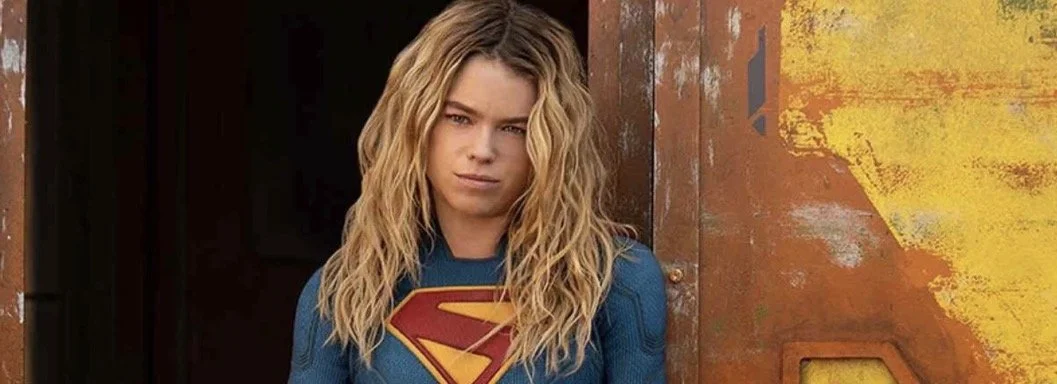
So, with all that in mind, we come to Craig Gillespie’s “Supergirl.” The film has been screening for months now, and it has evolved significantly with each new cut.
“Supergirl” has reportedly test screened more than ten times — more than I can recall for any other studio film this decade. There have been three different endings shown, with the latest attached to last week’s California screening. That cut reportedly ran around 1 hour and 50 minutes and included additional Clark Kent/Superman scenes.
In January 2026, just a few months ago, the film reportedly had a runtime of 2 hours and 5 minutes without credits.
We now have the official runtime, and a lot has been cut. “Supergirl” will run 1 hour and 47 minutes, including credits, which can account for anywhere between five and seven minutes. That means that, in just the last five months, roughly 25 minutes of footage have been removed from “Supergirl.” Fascinating.
It’s not just the runtime that has been drastically altered. The film has also gone through three composers. Ramin Djawadi was initially attached, followed by Tom Holkenborg (Junkie XL), before Claudia Sarne ultimately took over scoring duties.
When discussing his experience making “Supergirl,” Gillespie has repeatedly shut down rumors that James Gunn creatively interfered with the film. Of course, whether the numerous test-screening changes and recuts originated from Gunn, or Gillespie himself is something none of the principals have publicly addressed in detail.
Maybe the changes will work. “Supergirl,” which was initially met with very mixed reactions following last year’s first batch of test screenings, has reportedly been testing better in recent months. Now that the final cut is locked, it will no longer be screened for audiences.
It’ll be interesting to see how this one turns out. With a June 26 release date, we’ll know very soon whether the multiple changes pay off for James Gunn and company.

DC's "Clayface" has earned an A- CinemaScore from opening night audiences. That's a very good grade for any movie, and an especially rare one for horror, a genre audiences tend to grade harshly.