

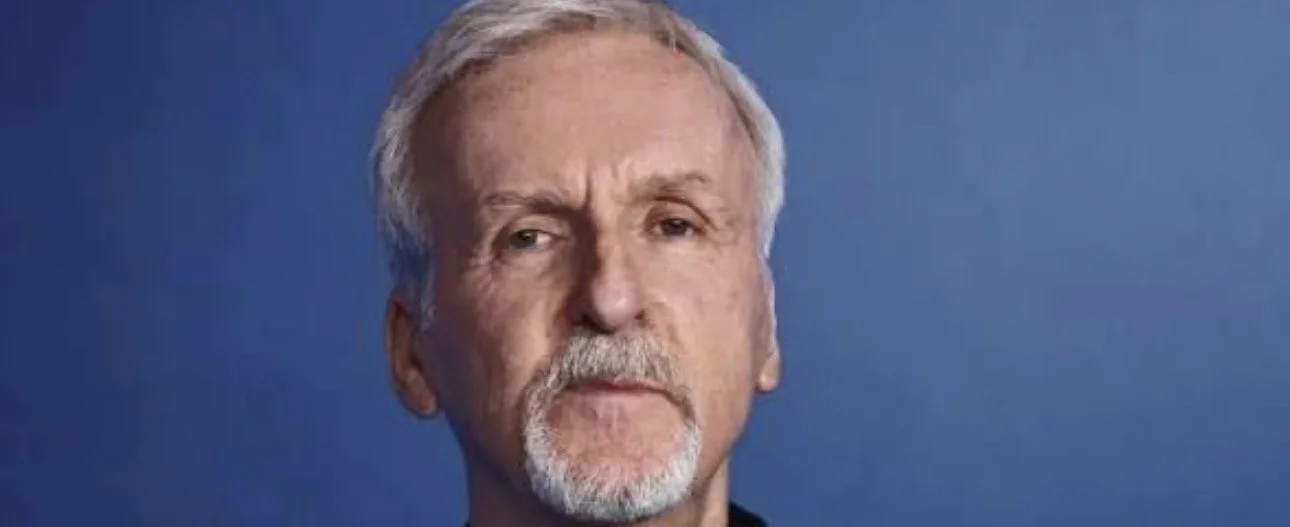
That open letter calling for the planned Warner Bros.-Paramount merger to be blocked? It’s still out there, now with over 2,000 signatures. James Cameron? He couldn’t care less about it — in fact, he’s doubling down on his support for Paramount, telling the AP, “I’m a supporter of it. I know it’s controversial.
In the AP report addressing the industry’s pushback against the merger, Cameron calls Paramount CEO David Ellison “the right man for the job to run a major studio.”
I know David quite well. And I know that he really cares about movies. And he’s a natural born storyteller and thinks like almost an old school entrepreneurial producer that was a storyteller that loves storytelling and loved putting on spectacular shows. He’s the right man for the job to run a major studio, and now it looks like he’s going to have two of them, you know, swept under his leadership, which doesn’t bother me at all.
Cameron had previously worked with Ellison on “Terminator: Dark Fate” and had not been shy about his view that Paramount was a better option than Netflix. Quite simply, he didn’t trust Netflix CEO Ted Sarandos’ commitments to theatrical releases — calling it “sucker bait”:
It’s sucker bait. We’ll put the movie out for a week or 10 days. We’ll qualify for Oscar consideration.’ See, I think that’s fundamentally rotten to the core. A movie should be made as a movie for theatrical, and the Academy Awards mean nothing to me if they don’t mean theatrical. I think they’ve been co-opted, and I think it’s horrific.
As for that open letter condemning the Paramount–Warner Bros. merger, the usual activists are present: Mark Ruffalo, Javier Bardem, Joaquin Phoenix, and Adam McKay. But a wide range of other creatives have also signed on, including Bryan Cranston, Damon Lindelof, Jason Bateman, Ben Stiller, Don Cheadle, Glenn Close, David Fincher, Denis Villeneuve, J.J. Abrams, Yorgos Lanthimos, Kristen Stewart, among others.
Most of them fear the merger, and the ensuing consolidation, would reduce the number of major buyers for projects, weakening leverage for filmmakers, actors, and writers. There are also concerns about aggressive cost-cutting, layoffs, and cancellations — similar to what followed past mergers. Ultimately, they argue that the deal could concentrate too much power in one company.
Why wasn’t there this much pushback when Disney moved to acquire 21st Century Fox in 2017? The backlash for that merger felt more concentrated and less hostile, with none of the broad public open-letter-style resistance we’re seeing right now.
Fact remains that Warner Bros. Discovery CEO David Zaslav, and the WBD board, want to sell, so this is the situation as it stands. They will likely not change their minds — the payoff is too high for them — and whatever the open letter says, no matter the thousands of A-list signatories, is unlikely to make a meaningful difference.
That’s where we stand right now.

Surprise?! HBO has ordered a five-episode limited revival of “Girls,” ten years after the show ended. Lena Dunham is back, so are Allison Williams, Jemima Kirke, and Zosia Mamet.