



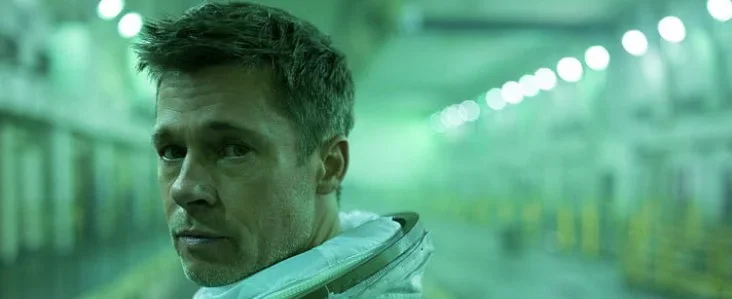
Back in 2018, I reported on the turbulent post-production process James Gray had to endure during Ad Astra. The cut released in theaters wasn’t his and was the result of major studio interference.
Ad Astra was taken away from Gray during the editing phase, and he had absolutely no final say in how the film was edited or what additional scenes were shot. In fact, he wasn’t even part of the reshoots; another filmmaker was hired to direct the added scenes.
Now, in an interview with Brut promoting his latest film, Paper Tiger, Gray addresses the drama surrounding Ad Astra and isn’t shy about saying that, despite there being “certain things that I like” about the film, he has more or less disowned it.
I control everything completely, on this [”Paper Tiger”], and actually, I didn’t on “Ad Astra,” that film was taken away from me. That’s not my cut of the movie. You get into discussions and debates, there’s a studio, then the studio [20th Century Fox] got sold to Disney. You get caught in that stuff. The movie was $80M, “Paper Tiger” was $15M. I like to work on that scale because I don’t think it’s productive for people to just change your movie around, and you get the blame anyway.
When asked what he would have changed about Ad Astra, Gray elaborated:
“It would have been a very different movie […] It would be 12 minutes shorter. I’m the only director who makes a shorter director’s cut. I hope someday I’ll do it. I mean, it’s obviously not up to me, but I would love to do it — it would be thrilling for me.”
The crux of the matter reportedly involved 20th Century inserting voiceover narration very late in the post-production process. In Gray’s original cut, Brad Pitt’s McBride never delivers interior monologues at all. Additional action sequences were also added and, reportedly at Pitt’s insistence, flashbacks featuring Liv Tyler as McBride’s ex-wife were inserted as well.
When my piece ran three years ago, 20th Century quickly denied the reporting and told me to take it down.
Gray’s film was a frustrating watch. You can’t help but admire the space-opera ambition, and yet the story never truly soars to the heights it aims for.
Watching “Ad Astra,” you could sense two separate visions of the story competing on-screen. I’ve revisited it multiple times since, hoping it would finally click, and while some sequences still take my breath away, the film ultimately gets bogged down by pacing interruptions and peculiar creative decisions that feel out of place.
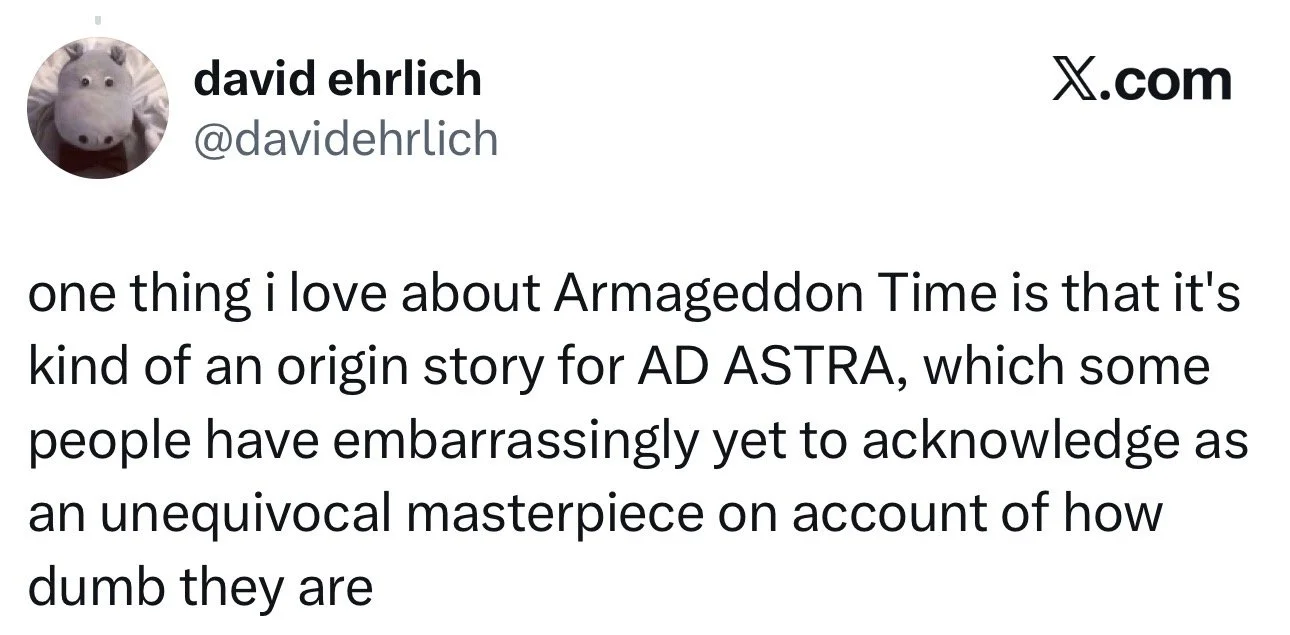
It’s a schizoid-feeling film that, despite the production drama, still has its fair share of ardent fans. Three years ago, David Ehrlich of IndieWire even stated that if someone didn’t like Ad Astra, they were simply “dumb.”
The film was ultimately a box-office disappointment in the U.S., earning just $50 million domestically against a production budget of around $80 million before reshoots.

Skydance execs, who arrived on Tuesday at their new offices (formerly Warner Bros), opened the books and "were shocked to learn the extent of the loss" on "Digger.”