Nostalgia continues to be a powerful box-office draw. It offers audiences a familiar emotional connection—a longing for a time when life seemed easier and more carefree. No social media. Fewer smartphones.
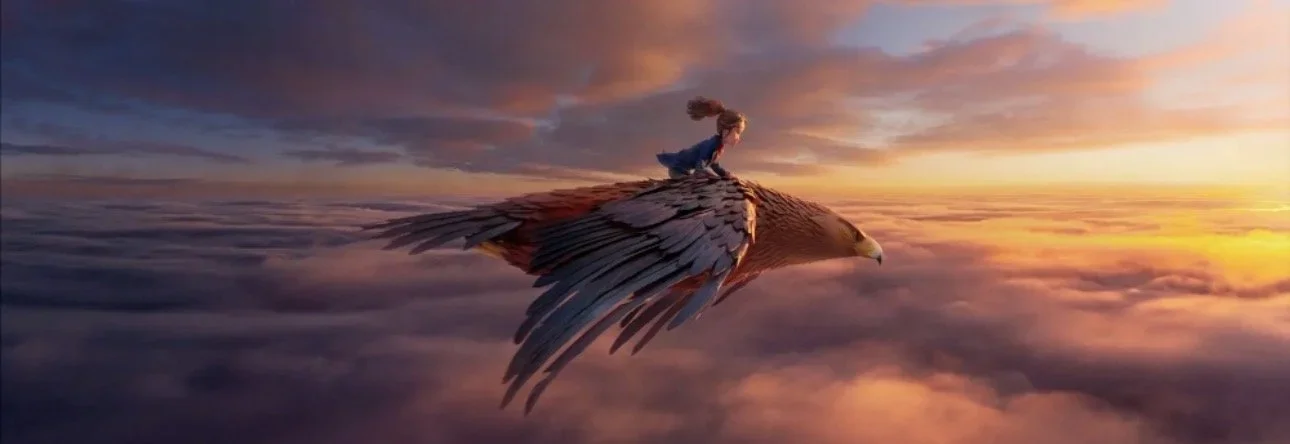
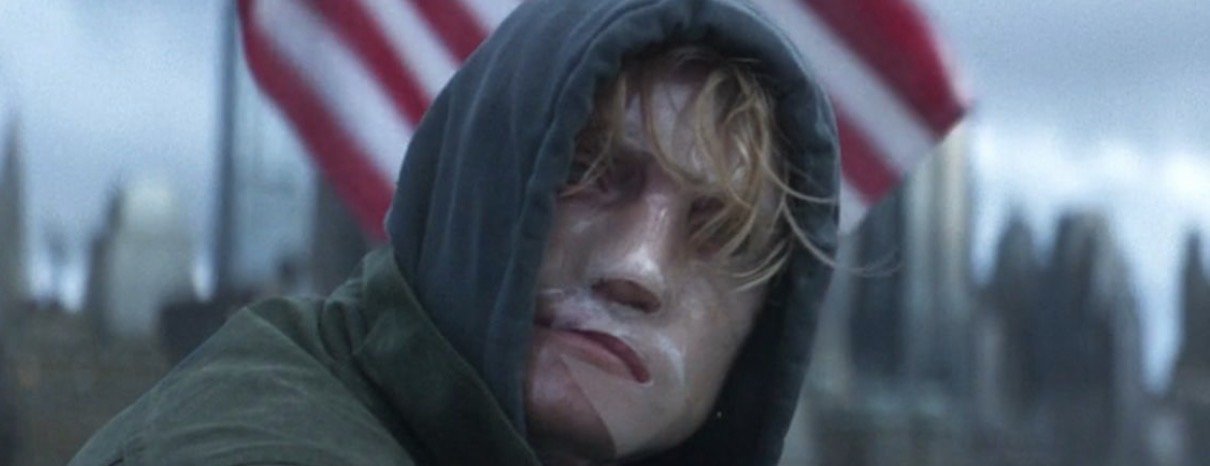
Recent examples of movies that banked on nostalgia include the blockbuster successes of “Inside Out 2” and “Beetlejuice Beetlejuice,” as well as earlier hits such as “Spider-Man: No Way Home,” which featured Andrew Garfield and Tobey Maguire. Not to mention “Ghostbusters: Afterlife,” “Scream 7,” and all those live-action Disney remakes.
Luca Guadagnino sees all of this, and seems weary of it. In a recent interview at Il Foglio’s Innovation Festival, Guadagnino refers to Steven Spielberg as someone who has fallen into the trap by making another old-fashioned alien movie (“Disclosure Day”).
“Disclosure Day” is part of the economy of nostalgia. The whole imagination is built up on nostalgia and therefore and how to move inside ourselves the entrails of what we think we’ve lost, and find it again.
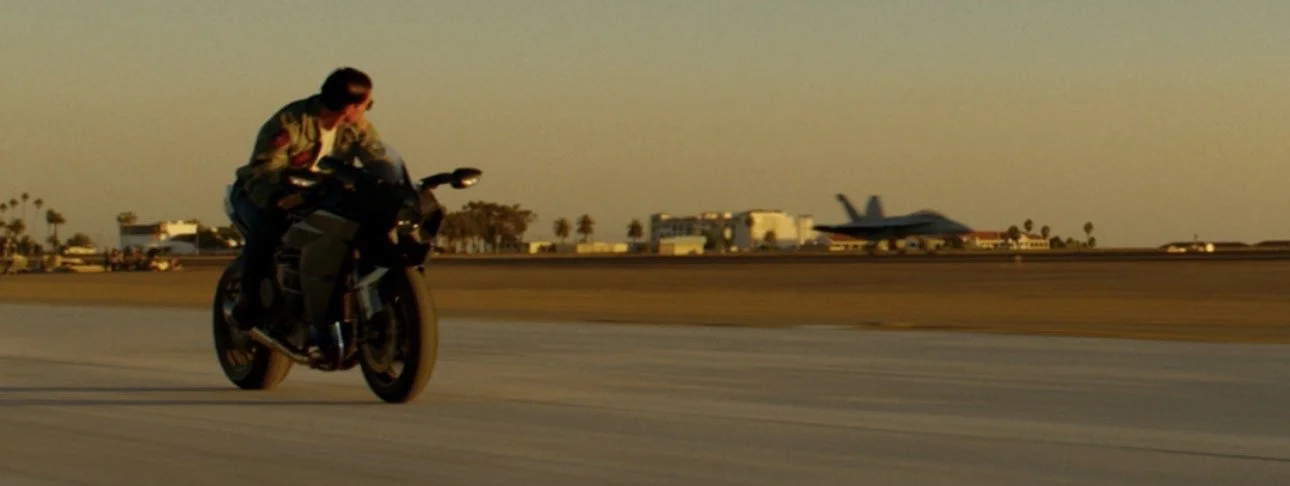
Yet he then turns around and gives us what may be the ultimate product of the nostalgia machine: a film many credit with helping revive the box office during COVID, a legacy sequel that was embraced by both critics and audiences alike—a little movie called “Top Gun: Maverick.”
I remember when I was making “Challengers,” I went to see “Top Gun: Maverick” in a packed theater. It was huge for thousands of people, and it was a very bad movie. But at the same time people were screaming, throwing popcorn, they were very happy because the economy of nostalgia right seems to be the only commodity that can be dominated by all types of markets
‘Maverick’ played almost like a period piece—a movie that felt as though it were set in a bygone era of America, one where wholesomeness prevailed and political polarization seemed non-existent.
Critics and audiences ate it up. The film was nominated for six Oscars, including Best Picture, and grossed over $1.5 billion worldwide. You heard a lot of “they don’t make ’em like this anymore” comments. The funny thing is that in 1987, many of those same critics would have been saying, “Please, stop making ’em like this.”

Olivia Wilde, coming off great reviews for "The Invite," is shooting her next film, a holiday comedy titled "Naughty," which already had Jennifer Aniston and Peter Dinklage attached as the two main leads.