When it comes to AI usage in art, there are two likely scenarios: either it will be so seamlessly integrated into our lives that we won’t even notice using it, or we’ll all wonder what the fuss was about.
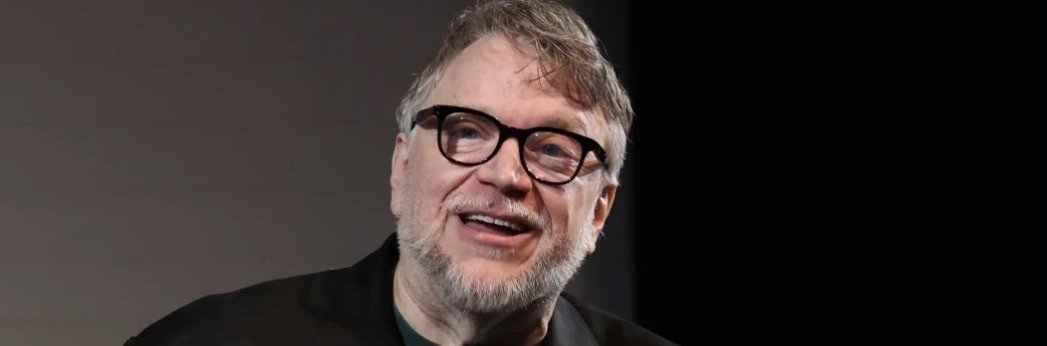
Here comes Guillermo del Toro, who last year said he’d “rather die than use AI,” speaking at a BFI America dinner, and using his time at the mic to warn us once again about AI: “We are on the verge of image illiteracy. We are on the verge of cinema illiteracy.”
Del Toro was introduced by Netflix co-CEO Ted Sarandos, who has been financing all of his passion projects these last five years. Del Toro had the benefit of getting $100M+ to make each of these movies, creating his own images, and he believes that’s the way it should remain.
The filmmaker argued that images are not merely outputs, but emotional bridges between people, stressing that “the pact between man and image is sacred.” He criticized the growing belief that art can be fully machine-generated, calling AI a form of “natural stupidity,” and adding, “The existence of an image is not just to be there. It is to connect us, to make us feel beauty.”
Filmmaker Roger Avary, who can’t afford to bankroll his own $100M+ movies, and has resorted to using AI for upcoming projects, noticed Del Toro’s comments, and gave his two cents on them, calling it the “last ditch of a desperate critic.”
Ironically, though, del Toro’s rejection of AI is made all the more eyebrow-raising by the sleek, highly polished, CGI-heavy look of his last few films, including “Frankenstein.” His films are starting to feel more and more like they could have easily been crafted—or at least augmented—by AI.
Listen, I get what del Toro is saying, there’s something unsettling about feeding an untested machine centuries of human creativity just to produce an imitation of soul. Art has always thrived on imperfection—the mess, the emotion, the human error—and I’m not convinced any AI can fully capture that. If anything, it risks cheapening the art itself.
That said, del Toro should probably spend less time consumed by hatred of AI and more time making his films feel less dependent on surface-level perfection, less constrained by the expectation of immaculate CGI gloss, and more willing to let imperfection show through

Boyle's answer was met with a shout of "Never do that shit again" from the crowd, and the TIFF moderator swiftly brought the Q&A to a close, thanking everyone for coming.