
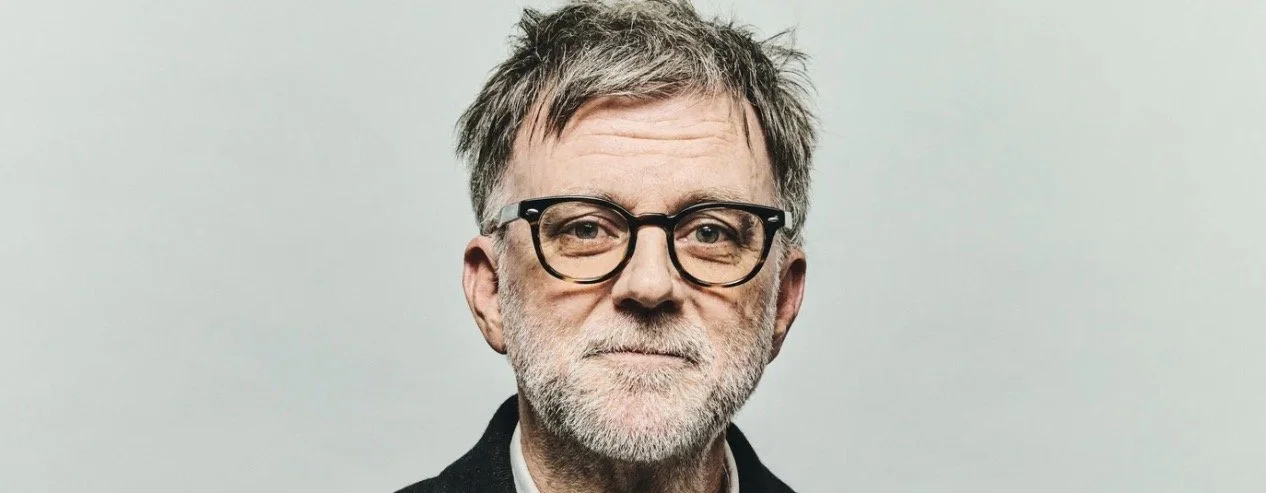
Paul Thomas Anderson has a message for the next generation of filmmakers: maybe spend a little less time worrying about your camera, and a little more time worrying about your screenplay.
Speaking with David Ansen in Palm Springs, PTA said he wants to see “more writing, more solid writing.” He’s worried about what he’s seeing at the movies.
What I would like to see more of is more writing, more solid writing in filmmakers coming up. The writing underneath [the great filmmaking] has to be so foundational and so strong.
PTA acknowledged that there’s plenty of inventive filmmaking happening right now. Young directors know how to shoot. They know how to edit. The technical bar has gone way up. However, the writing? That’s where Anderson thinks things have become “wonky and lopsided.”
You know a film by its story, by its connection to people always. You can watch a movie and see exactly where the money ran out, and it doesn't matter, as long as the story is strong enough.
We’re living in an era when a filmmaker can get their hands on pretty extraordinary technology without having much money. You can shoot something that looks expensive on a camera that fits in a backpack. You can color-grade the hell out of it. You can play with the aspect, find the right music and suddenly your short film looks legit.
Yet, somebody has to write the damn thing. And sometimes that’s where the whole thing falls apart.
Anderson’s advice was pretty funny: “Have you been spending all your energy on camera packages? Maybe reassess.”
Now, I know, PTA sounds like a slightly exasperated older filmmaker, and I don’t blame him. When you make movies, you notice things others wouldn’t. Just like us. You watch hundreds of movies a year, your taste gets refined, you start noticing more patterns, the flaws become more apparent, and an actually great film starts to feel like a diamond in the rough.
When Ansen asked PTA whether the strongest writers have migrated to TV, Anderson agreed that it’s “one of the problems.”
It used to be that the movies were the coolest things you could do. Now it’s like, you know, it’s kind of like a stepchild off to the side.
He laughed when he said it, but there’s a real point buried in there. Television — or, more accurately, the best of television, the golden age stuff — gives writers room to breathe. You can spend ten hours with characters instead of two. You can let a story take its time. You can build an entire world.
The movies, meanwhile, have become increasingly obsessed with everything except writing. IP. Sequels. Franchises. “Content.” Four-quadrant appeal. Does it test well? Can we make a series out of it? Can we sell the popcorn bucket? All of it released in stylish fashion, especially the movies, with top-notch technical craftsmanship but often-flawed screenwriting.
Obviously, there are still fantastic writers working in movies. And there are still great films being made, but it does feel as if the “screenplay,” once a gold standard for narrative writing, has lost some of its old status.
Just watch some of the great indies of the ‘90s, a great screenplay still cuts through. There might have been cheap production design. You can forgive a camera that doesn’t cost $100,000. It’s much harder to forgive a movie that feels empty. That’s ultimately what I think Anderson is getting at. Write the damn movie. Then worry about the camera.

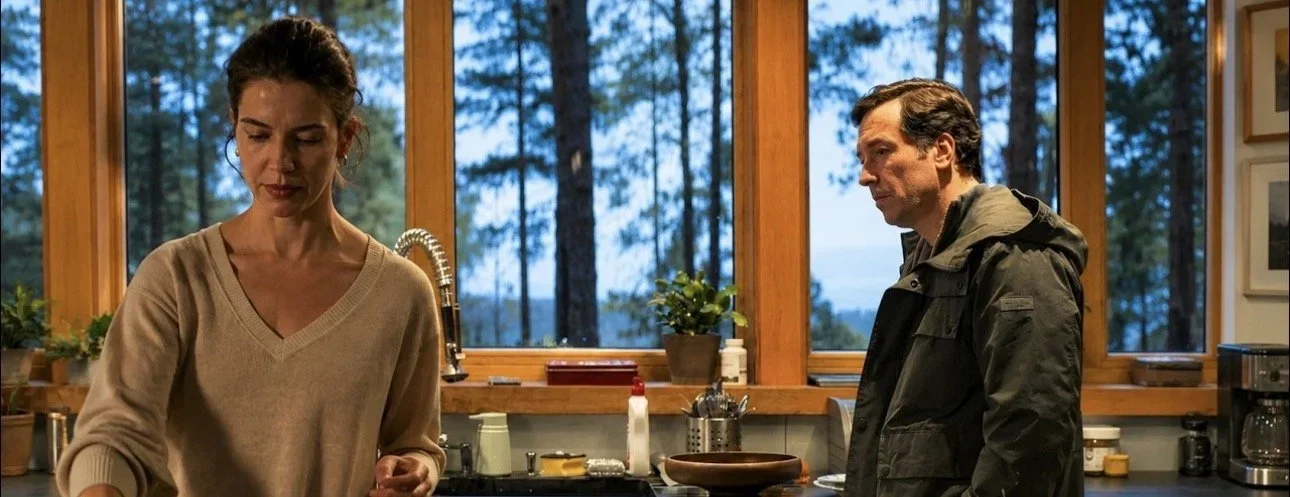
Jeremy Saulnier’s mysterious A24 project, formerly “October,” still has no release date. You’d think, given that it has been in post-production for almost a year now.