





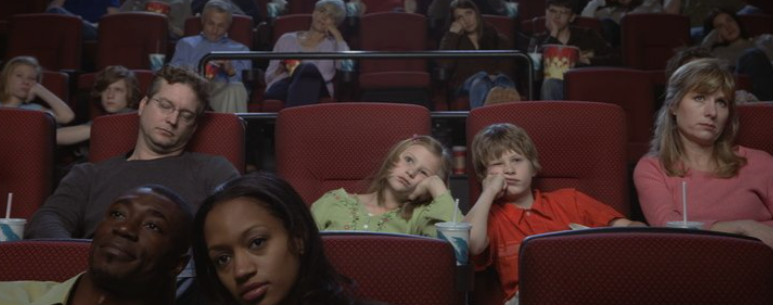
Sony Pictures CEO Tom Rothman surprised many at CinemaCon last night with a blunt message to movie theater owners: “Get off the ad crack.
Rothman, speaking for many in the industry, is urging exhibitors to cut back on trailers and commercials, some of which now run for around 30 minutes before the movie even begins. He called for getting rid of the endless advertising and substantially shortening the long pre-shows.
What I’m about to say, I say as a lifelong defender of movie theaters. But I urge you all now to make some hard choices for the long term rather than the short-term health of your business […] Get off the ad crack. Infrequent moviegoers come at the showtime and hate being forced to watch endless commercials, which they don’t have to do at home where the movies are free.
Rothman noted that some moviegoers now show up a half hour late just to avoid the ads, adding that people “don’t even see the trailers,” which results in “enticements gone to waste.”
He argued that the theatrical experience is being stretched too far. For example, AMC Theatres has been expanding its pre-movie “experience,” which can include up to 30 minutes of ads and trailers before a single frame of the film plays. Last year, the chain even added a disclaimer allowing for “25–30 minutes” of ads and trailers before the movie starts.
Studios are clearly not amused. For them, trailers are still one of the most reliable ways to generate interest in upcoming releases, and they are now watching audiences time their arrivals to miss them entirely.
Some have even commissioned internal research tracking pre-show runtimes across the country. One wide release reportedly saw pre-shows running between 24 and 28 minutes. According to internal studio data, only 20% of viewers were seated at the listed showtime during a June screening of “28 Years Later” in Chicago. It took another 12 minutes to get most of the crowd inside, and the theater didn’t fill completely until just before the movie began.
Rothman is right. If the theatrical experience starts to feel too stretched out, people will eventually stop showing up. Studios are already investing heavily in trailer placements. If no one is watching them, what’s the point? The more exhibitors tries to generate short-term ad revenue, the more it risks alienating the very system it depends on to survive.

Quentin Tarantino has released ten films, but which one is his masterpiece? A critics’ poll I started back in 2024, and left sitting in my drafts ever since, is currently deadlocked between two films.