

UPDATE: In a jaw-dropping twist, Netflix has declined to raise its bid for Warner Bros, they’re quitting, with David Ellison’s Paramount emerging as the winner in the battle for the studio.
This shocking development comes just hours after Netflix co-CEO Ted Sarandos visited the White House to meet with Donald Trump. Did anything significant happen during that meeting? Did Sarandos realize that there were too many obstacles to overcome?
For many months, and after eight offers had been rejected, Ellison refused to take no for an answer, which rubbed many the wrong way. Ellison was relentless in his pursuit of WBD, consistently raising the stakes to derail the Netflix deal — and, by the looks of it, he has succeeded.
You also know what this means? Paramount will now have to pay the $2.8 billion breakup fee they owe Netflix for disrupting the deal the streamer already had in place with WBD.
Oh, and then there’s that previous Variety report claiming, via internal sources, that Ellison’s goal was to turn Paramount, and Warner Bros, into a MAGA-friendly environment, with content in the TV and movie divisions expected to be more “America-centric” and geared toward “the middle of the country.”
This deal would also include full ownership of CNN, which Larry Ellison, David’s dad, has long wanted to acquire and transform inside out.
Here’s a statement from Netflix about bowing out from the Warner Bros bidding war:
Netflix, Inc. today announced that it has declined to raise its offer for Warner Bros. Netflix had earlier received notice from Warner Bros. Discovery (WBD) that its Board of Directors has determined Paramount Skydance’s (PSKY) latest proposal constitutes a “Superior Proposal” under the terms of WBD’s existing merger agreement with Netflix.
The transaction we negotiated would have created shareholder value with a clear path to regulatory approval. However, we’ve always been disciplined, and at the price required to match Paramount Skydance’s latest offer, the deal is no longer financially attractive, so we are declining to match the Paramount Skydance bid.
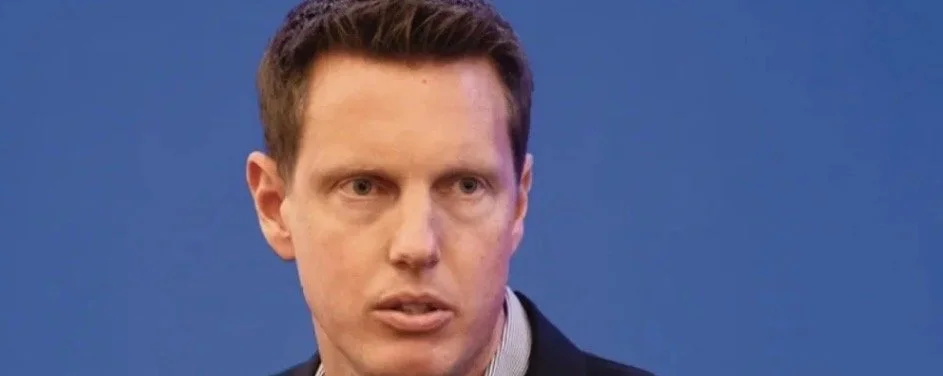
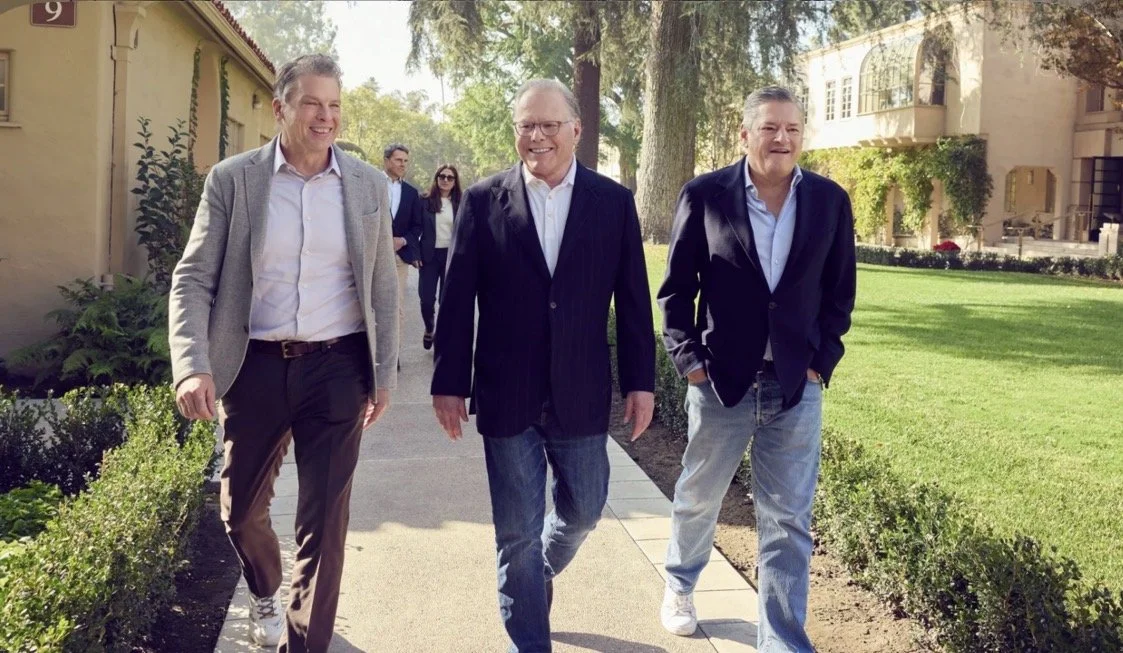
EARLIER: Well, it’s official — Warner Bros. Discovery board has announced that Paramount’s latest offer to buy the company is “superior” to Netflix’s. The streamer now has four business days to modify its offer for WBD.
Paramount CEO David Ellison said in a statement: “We are pleased WBD’s Board has unanimously affirmed the superior value of our offer, which delivers to WBD shareholders superior value, certainty and speed to closing.”
Paramount/Skydance proposed $31 per share in all cash, plus a ticking fee of $0.25 per quarter starting after September 30, 2026—essentially a pressure campaign to get the deal done. There’s also a hefty $7 billion regulatory termination fee, payable if regulators sink the transaction. On top of all that, Paramount/Skydance would cover the $2.8 billion breakup fee WBD owes Netflix to exit the existing agreement.
Is there a possibility that this all ends with neither Netflix or Paramount getting WBD?
No, really, because the most realistic spoiler isn’t a dark-horse bidder riding in at the eleventh hour — it’s gravity. Regulatory scrutiny could stretch timelines past everyone’s pain threshold, markets could turn against mega-media consolidation overnight, or one side could decide the math simply stops working once the lawyers and lobbyists finish sharpening their knives.
It’s not like Ellison’s Paramount is thriving either. Just this week, the company reported a $339 million loss in last year’s fourth quarter, a figure that included roughly $500 million in restructuring costs. Meanwhile, Netflix’s stock continues to slide. At this point, it’s fair to ask whether there’s going to be such a thing as a winner here at all — or just varying degrees of damage control dressed up as victory.

I briefly mentioned Ben Affleck's "Animals" yesterday, but I need to get more into it, because this thing, now streaming on Netflix, is one of the most baffling efforts I've seen from a serious director in a long time.