


It was inevitably going to happen, but now it’s here. An established, well-regarded film festival has finally selected an entirely AI-generated feature film in its lineup.
Now, this isn’t Cannes or Venice, but the Tribeca Film Festival is still marquee enough. They have announced that “Dreams of Violets,” directed and produced by Ash Koosha and Pooya Koosha, has been officially selected to premiere on June 10.
The 75-minute film has now positioned itself as one of the first fully AI-generated narrative features to appear in a major festival’s official program.
According to Jane Rosenthal of the Tribeca Film Festival, the selection reflects the festival’s interest in expanding storytelling boundaries through new technologies. She emphasized that AI is being used not just as a technical novelty, but as a medium for emotionally driven narratives.
Production-wise, the film was completed in roughly three months on a budget of about $2,000, with no traditional cast or physical crew. Instead, AI systems generated imagery, environments, and characters, while directing decisions such as narrative structure and visual blocking were still guided by human creative input. The team used tools including Google Gemini, Claude AI, and video and image generation systems such as Kling AI and Google Nanobanana to assemble the final work.
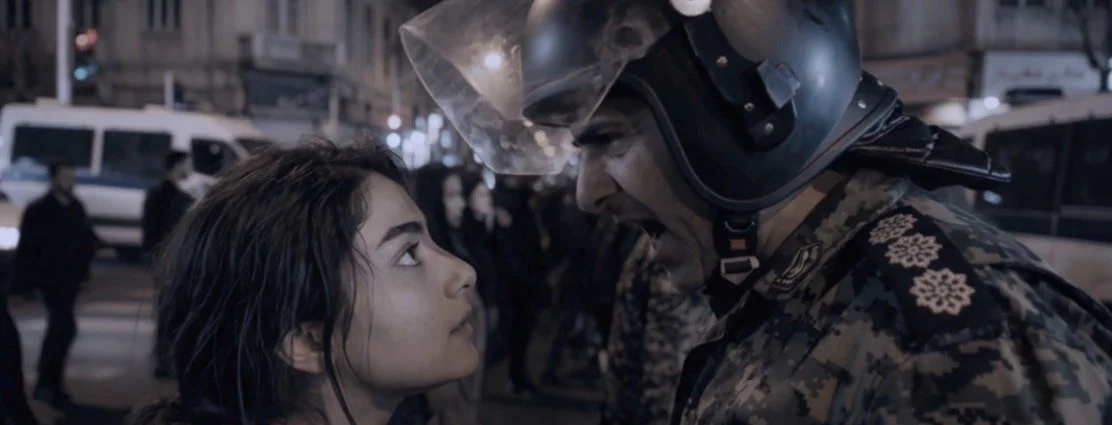
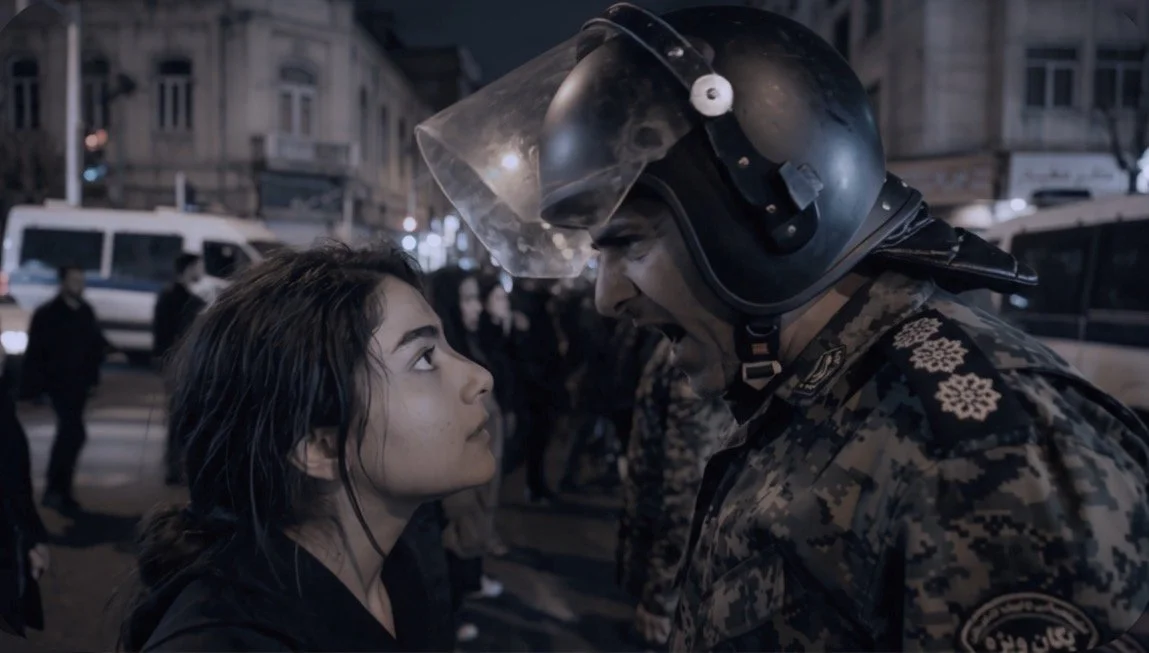
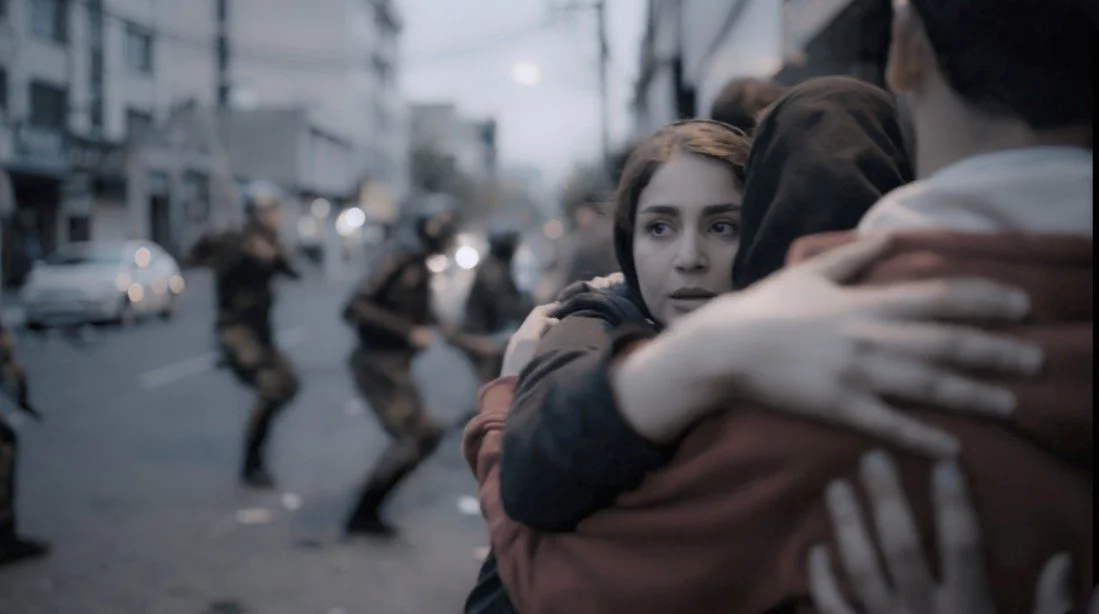
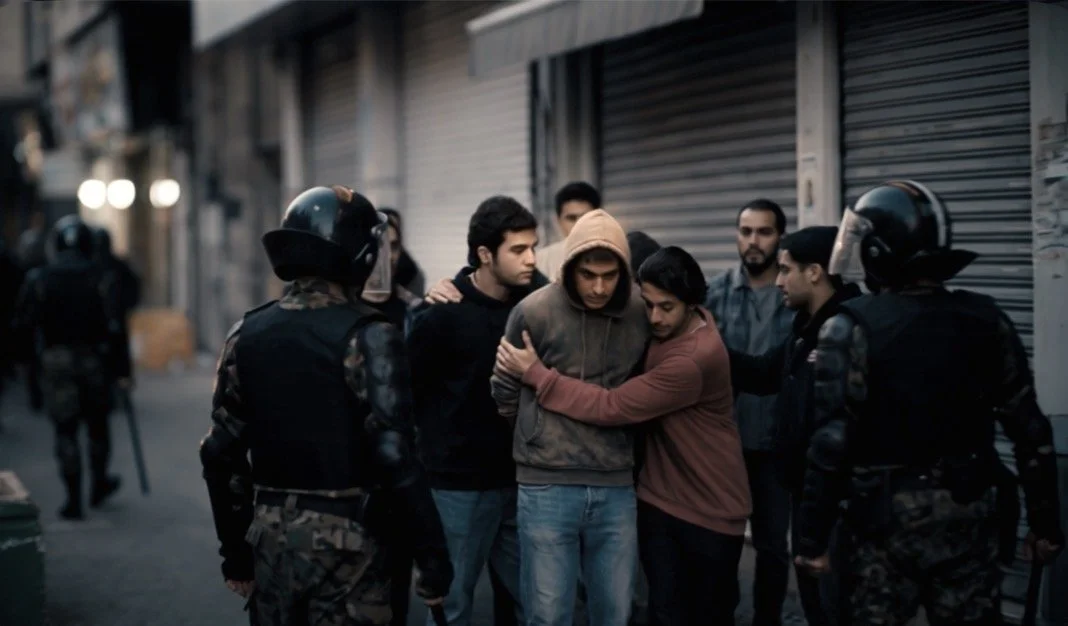
Ash Koosha has described the film, which tackles the “2026 Tehran massacre,” as a clear example of the necessity of using AI given his inability to access Iran or traditional production resources, framing it as a form of storytelling based on reported events. The narrative follows five fictionalized strangers who attended the January 2026 anti-government protests, which allegedly ended with thousands killed on the streets. The exact number has been debated since, ranging from official government figures (3,000+) to estimates from human rights groups (up to 40,000).
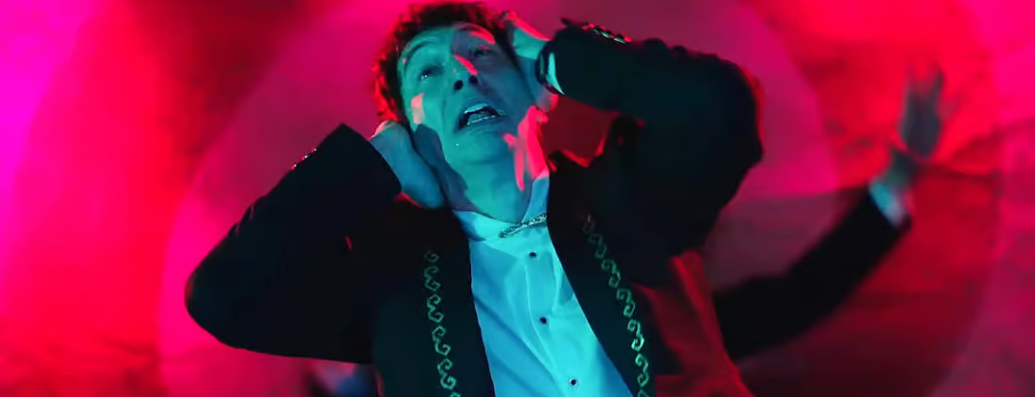
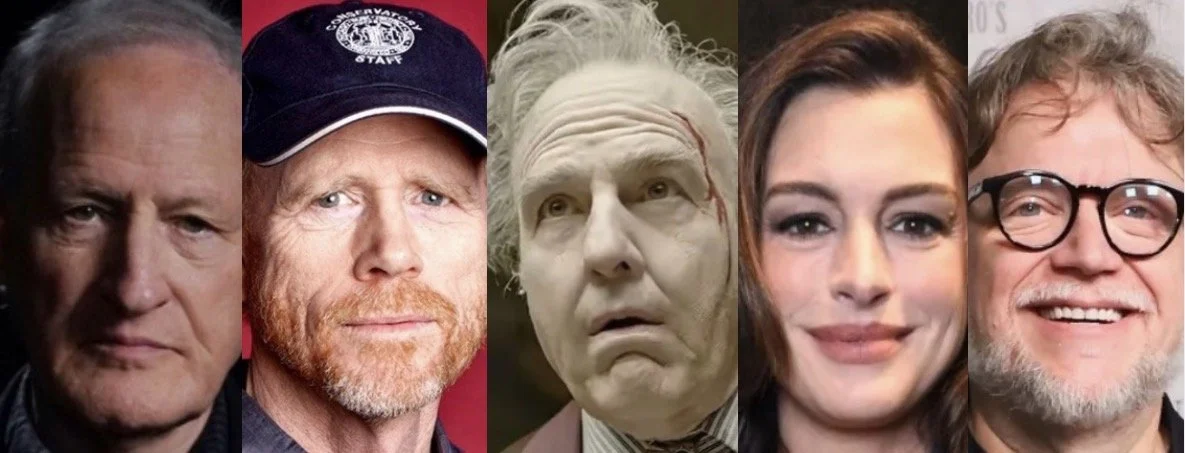
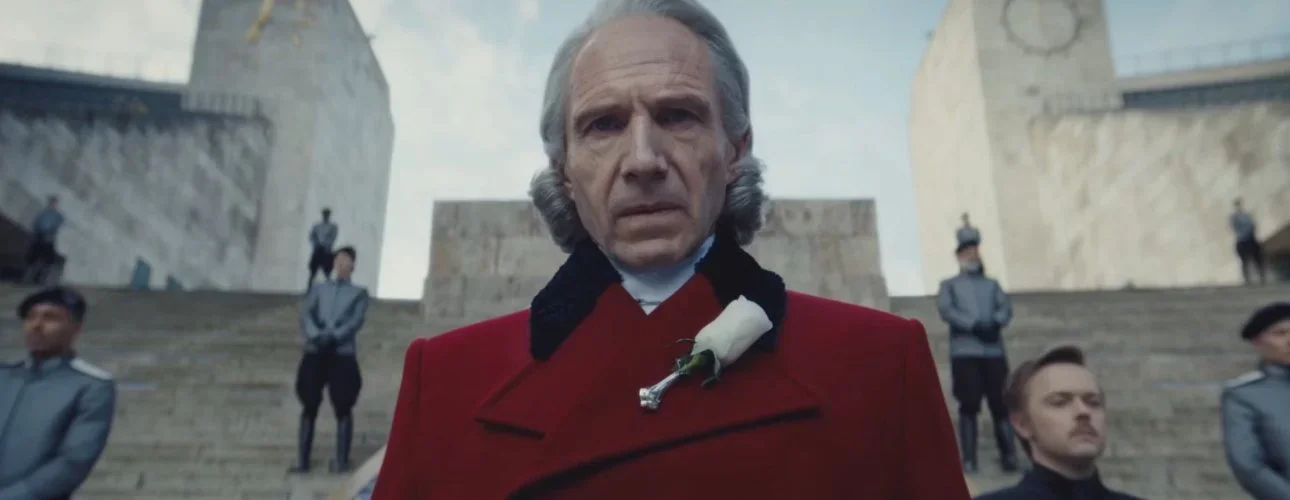
This is certainly risky programming on the part of Tribeca, although they seem to be shielding themselves from controversy through the film’s politically charged subject matter. Below are some stills from the film.

Scarlett Johansson is the lead; she plays a detective who watches a serial killer's execution — only for his murder spree to continue in demonic fashion. “Exorcist: Martyrs” is set to hit theaters on March 12, 2027.