


James Gray premiered “Paper Tiger” at Cannes last month, and he’s already set up his next film, an untitled project about the current socio-political situation in the US, according to producer Rodrigo Teixeira.
Teixeira announced the project during a masterclass at Madrid’s ECAM Forum international. This will be his fourth project with Gray after “Ad Astra,” “Armageddon Time,” and “Paper Tiger.” He confirmed it is supposed to shoot in 2027.
“It talks about the U.S. now, not the best moment they have, with probably the worst President in the world,” Teixeira said at the masterclass, describing a film that will no doubt stir up debate.
Now, I don’t think we have any info about this project, and it doesn’t sound like any of the ones Gray currently has in development, including the JFK biopic “Mayday,” the sci-fi “Summer Frost,” the ghost story “Ezekiel Moss,” an adaptation of Hemingway’s “The Sun Also Rises,” starring Vanessa Kirby, and “Kill Your Darlings,” a murder mystery that’s supposed to star Julia Roberts.
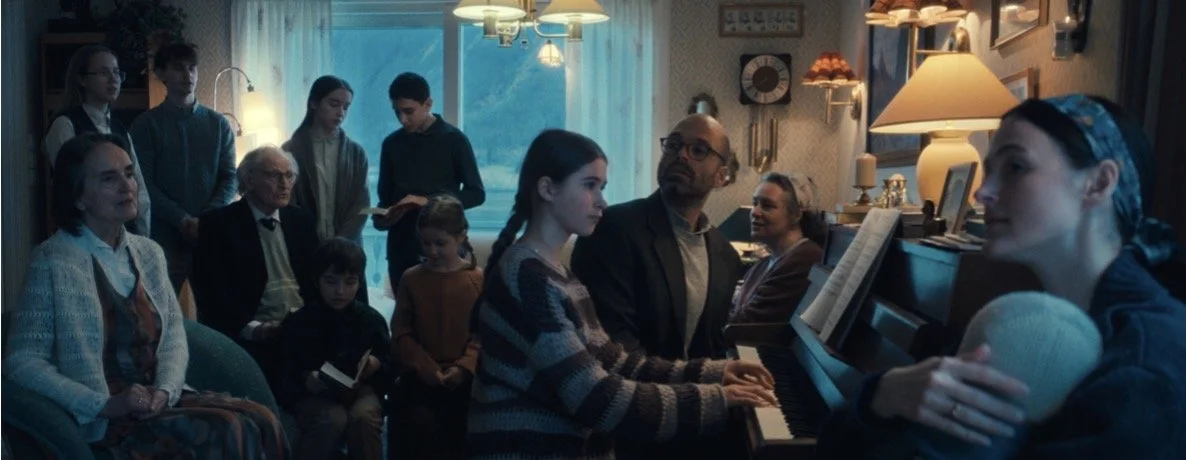
Despite positive reviews, Gray once again won nothing at Cannes for “Paper Tiger.” In fact, after premiering six of his films at the festival, he still has not won any prizes. A source close to Gray told me he hesitated until the very last minute to submit the film to Cannes, due to his frustration with the consistent snubbing of his films at that festival. The original plan was to bring “Paper Tiger” to Venice.
Gray, 57, is a filmmaker with a loyal following, revered for his classically influenced style that echoes cinema’s golden eras. While not always a mainstream favorite, he’s earned consistent critical praise — especially from the French — which has helped sustain a career marked by artistic ambition and emotional depth.
A native of Queens, Gray’s filmography is highlighted by “Two Lovers” — arguably his finest work — and “The Lost City of Z,” in which a rare, haunting beauty seeps into every frame. His other notable works include “We Own the Night,” “The Immigrant,” “The Yards,” “Armageddon Time,” and “Ad Astra.”

The short version: "Woman Unknown" was a compromise. The jury deadlocked over "Possible Love" and "NAZA," not able to com to terms, fell back on their #3, May el-Toukhy's film.