

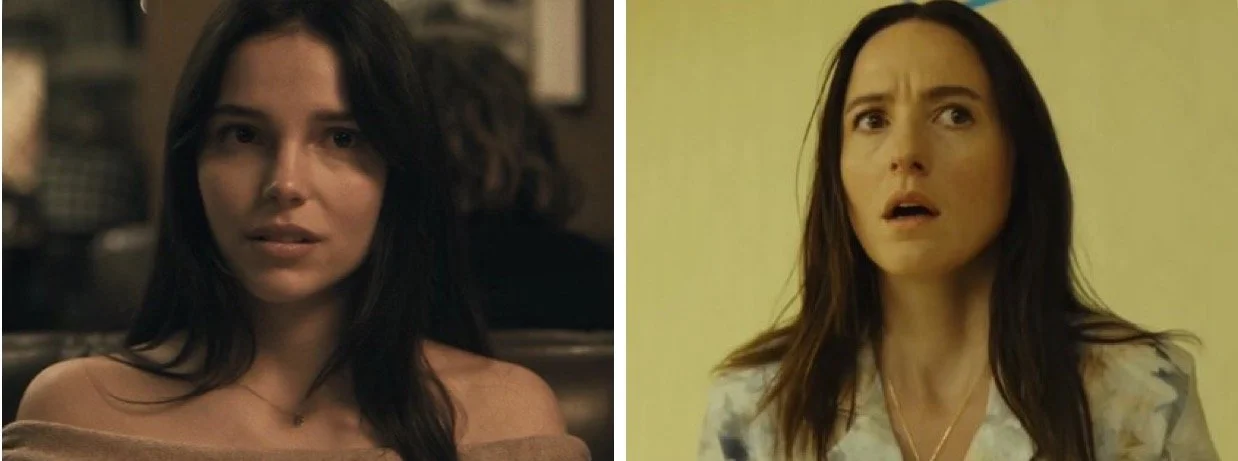
With “Obsession” and “Backrooms” continuing their impressive theatrical runs, I gather many of our readers have seen these films, both of which sit at 77 on Metacritic, yet feel very different in tone and execution.
There are some who believe that, given its incredible word of mouth, “Obsession” could receive a Best Picture Oscar nomination if the dominoes fall in the right place. You already have a few awards pundits, such as The Oscar Expert and Matt Neglia, including “Obsession” in their very early predictions.
Wouldn’t that be wild? Then again, a well-reviewed, word-of-mouth sensation like “Obsession,” currently at $134M domestic and aiming for $200M-plus by the end of its run, deserves to be part of the conversation, especially now that genre films are being recognized more consistently by the Academy.
As for “Backrooms,” I can see it being a bit more divisive. It’s less literal than “Obsession” and more obtuse in its storytelling, driven by the lore its creator, Kane Parsons, has built over the years through his YouTube shorts. Yet it is no less fascinating as an example of how such a surreal and unconventional film managed to open to an $81M domestic weekend.
On a purely artistic level, which film did our readers prefer: “Obsession” or “Backrooms”? I’d be curious to know which one resonated more strongly with the WoR audience.
Personally, I lean toward “Obsession,” anchored by a pitch-perfect performance from Inde Navarrette and the tonally assured direction of Curry Barker. Don’t get me wrong—“Backrooms” is the riskier narrative, but not every risk pays off.
What I admired most about Parsons’ work was his complete lack of fear when it came to isolating the viewer. Rather than chasing accessibility, he seemed far more interested in exploring his own obsessions—the themes that drive his art and define him as a filmmaker.
What we have here is a cultural event—the most important theatrical moment since “Barbenheimer.” Call it “Backcession,” or whatever you will, but it has already changed the way Hollywood thinks about greenlighting movies and may, in the process, usher some much-needed originality back into mainstream filmmaking.

Denzel playing a broken ex-cop with nothing to lose, under McQuarrie's direction? We all know Washington loves to attach himself to redemption stories. It's his bread and butter.