


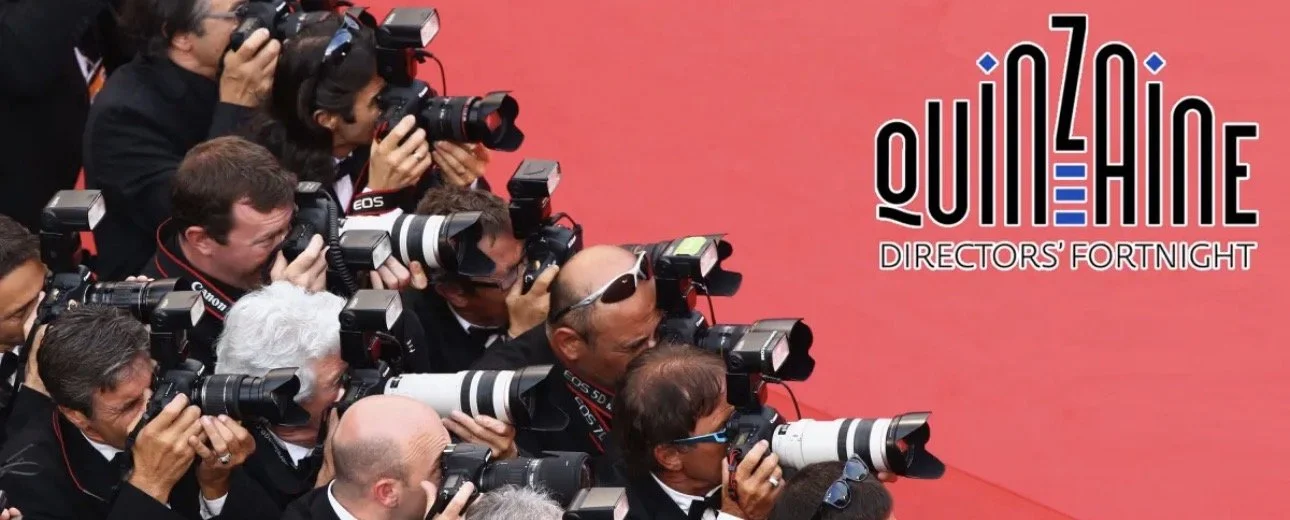
With the Cannes Film Festival fast approaching, attention is now shifting to one of its most closely watched parallel sections: the Quinzaine des Réalisateurs (Directors’ Fortnight), which is set to unveil its lineup on Tuesday. While final confirmations are still trickling in — and with the ever-present possibility of last-minute poaching by Venice — early chatter is very promising.
At the top of the rumored list are several high-profile auteur projects. Kantemir Balagov’s “Butterfly Jam,” Radu Jude’s “Diary of a Chambermaid” and Lila Pinell‘s “Shana” are currently seen as the biggest names likely headed to the sidebar.
July Jung’s “Dora” is being floated as a possible opening-night selection — a Korean move that would signal a strong, character-driven kickoff for the section. Meanwhile, NEON’s documentary, David Greaves’ “Once Upon A Time in Harlem,” fresh off a triumphant Sundance premiere where it earned widespread acclaim, is expected to continue its festival run at the Quinzaine.
Other titles believed to be in strong contention include Sarah Arnold’s “L’espèce explosive,” Gu Xiaogang’s “The First Taste of Loneliness,” and Maxence Voiseux‘s “Gabin,” the latter a documentary about a young boy growing up in rural France, potentially the only one in this year’s lineup.
One of the biggest surprises this year could be an untitled animated feature from Quentin Dupieux. The prolific filmmaker — who already has “Full Phil” playing in the official selection as a Midnight screening — appears to have quietly completed yet another project. The animated film is currently tipped as the closing-night selection, and if confirmed, would add a playful wildcard to the lineup.
There have also been whispers about Hirokazu Kore-eda‘s “Look Back” heading to the Quinzaine, although that placement couldn’t be fully confirmed. If true, Kore-eda’s presence would be a major coup for the sidebar.
Still in contention — though not yet locked — are Sébastien Laudenbach’s “Carmen, l’oiseau rebelle,” Clio Barnard‘s “I See Buildings Fall Like Lightning” Alexander Murphy‘s “A Road Less Travelled,” Lisandro Alonso’s “La Libertad Doble,” Sompot Chidgasornpongse’s “9 Temples to Heaven,” and Laetitia Masson‘s “Ulysse.”
The Quinzaine has historically functioned as Cannes’ most adventurous parallel section — less constrained than the Competition and often more willing to champion bold, offbeat, or emerging voices. In recent years, it has launched breakout filmmakers, hosted surprise premieres, and occasionally delivered titles that go on to become critical sensations.

Back in August, director Jon Turteltaub claimed "National Treasure 3" was finally happening, with Cage. The cheers were loud. The headlines were everywhere. Turns out, nobody told Nic.