
I’m mixed-to-positive on Kristoffer Borgli’s “The Drama,” which, for some odd reason, had its review embargo lifted at 3 a.m. ET / 6 a.m. PT this morning.
So far, the film sits at a 64 on Metacritic, and it’s easy to see why it will rub many viewers the wrong way. It’s uneven and occasionally frustrating. The tonal swings and awkward pacing feel deliberate — Borgli has designed his film to unsettle.
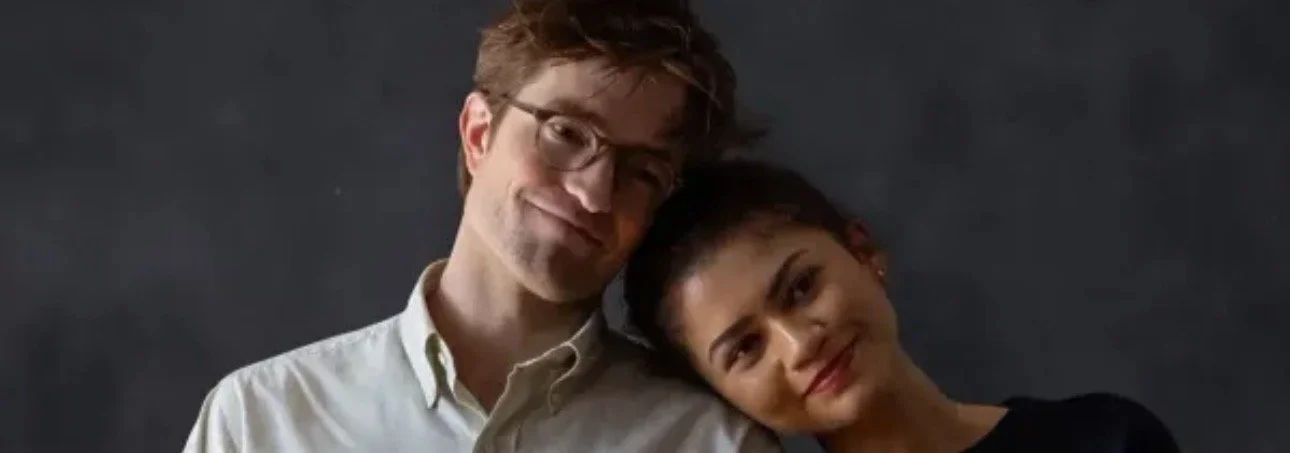
“The Drama” poses a central question: can we, as a society, radically accept someone for who they are today, despite who they were? Zendaya and Robert Pattinson star as a happily engaged couple thrown into chaos when she reveals a dark secret from her past, sending their wedding week completely off the rails. The story then revolves around whether he can accept her as she is now, rather than judge her for who she used to be.
As for the nature of the secret, it’s better left unspoiled — especially since the controversy surrounding it is already circulating online — and preserving that surprise is part of the experience.
Much like Borgli’s “Sick of Myself,” this is essentially a one-joke movie, an intentionally abrasive satire that uses its central twist to expose the emotional vulnerabilities of its two main characters. However, that one-trick approach also reveals the film’s structural weaknesses. The narrative can feel thin, and tonal inconsistencies sometimes leave you wandering. It occasionally seems to aspire to the provocations of Lars von Trier, but lacks the subtle maturity needed to reach the highs of that filmmaker’s best work.
In a way, the tension the twist means to deliver becomes both the film’s greatest strength and its main limitation. Borgli can come across as an immature provocateur — which can make for interesting cinema when he taps into the zeitgeist, as in “Dream Scenario” — but “The Drama” at times feels like a troll job, echoing some of the same issues present in “Sick of Myself.” It tries hard to piss you off, painstakingly so.
Given the script’s thinness, the film would struggle without its performances. Robert Pattinson leans into a painfully self-aware persona, portraying a man whose thoughtful, progressive image gradually collapses, exposing insecurity and selfishness underneath. Meanwhile, Zendaya is strong here — emotionally vulnerable and grounded. It’s largely because of her that this paper-thin satire doesn’t collapse into caricature. Her chemistry with Pattinson keeps the film somewhat engaging, even when its structure feels uneven.
Across three films, Borgli seems increasingly pessimistic about human nature, particularly the facades people construct, the hypocrisy of their supposed morals, and the virtue signaling they project. I get the message, and it certainly resonates in this decade, but delivering it in such an unsubtle fashion is definitely a choice.

Hill, coming off the miserable reviews for this year's “Outcome,” now has yet another film destined for a long delay. This time, it's “Cut Off,” his third directorial effort, which was set to hit theaters this July