


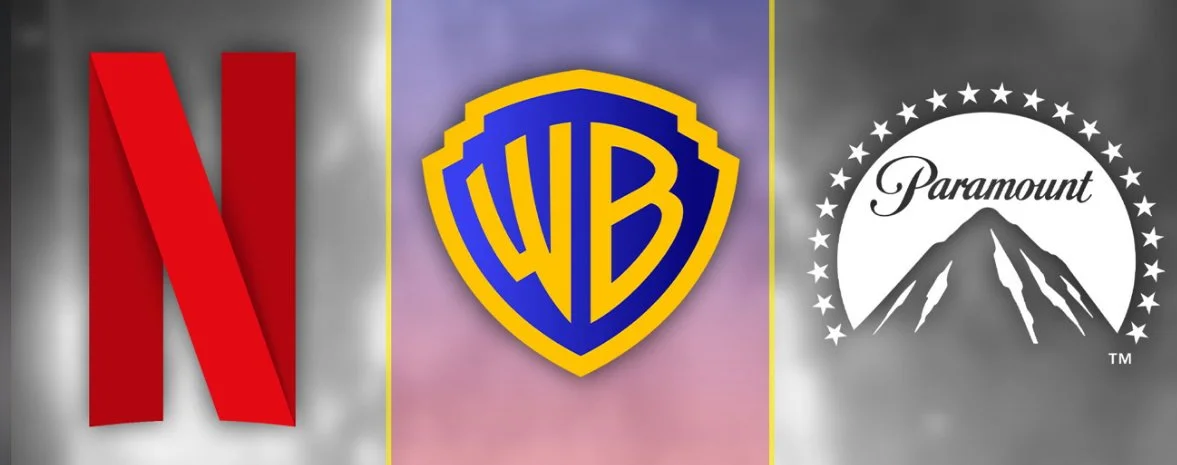
UPDATE: Like clockwork, just a few hours after rejecting Paramount’s latest bid, Warner Bros. Discovery sent board chair Samuel Di Piazza Jr. onto CNBC, slyly hinting that they want Paramount to increase their offer.
According to Di Piazza, twhile Paramount “stepped up to the table” with personal financing guarantees, they didn’t increase the price, leaving WBD hesitant given the $2.8 billion Netflix break-fee at stake. Di Piazza stressed that Paramount would need to provide both significant cash and certainty that the deal could close to compete with the existing Netflix agreement, which he views as the safer option.
Despite repeated rejections, he clarified that WBD remains open to a transaction, with shareholders set to have the final say when they vote later this year.
EARLIER: It was to be expected. Warner Bros. Discovery has officially rejected the latest offer from Paramount/Skydance—this time an amended hostile bid valued at roughly $108 billion, backed in part by a personal equity guarantee from Oracle co-founder Larry Ellison—calling it “inferior” to its existing deal with Netflix. But is it really?
WBD argues that the Paramount offer carries too much debt and execution risk compared with the Netflix arrangement. Paramount, for its part, may now try to sweeten the bid or appeal directly to shareholders ahead of the deadline.
At this point, it seems clear that WBD is playing a long game, extracting as much leverage as possible in the belief that Paramount/Skydance will continue raising its offer with each rejection. Still, there’s a limit: even the Ellisons’ patience—and desperation—won’t last forever, and WBD could ultimately regret leaving that much money on the table.
Will Paramount/Skydance raise their $30-per-share all-cash offer for the entire company? It’s certainly possible, though they’re also threatening legal action over what they describe as unfair treatment by WBD. Either way, this saga is far from over.

Clockwork — Warner Bros’ A24-style indie labels— has new films from Sean Baker, Park Chan-wook, Noah Baumbach and Sean Penn set to enter production in 2027.