
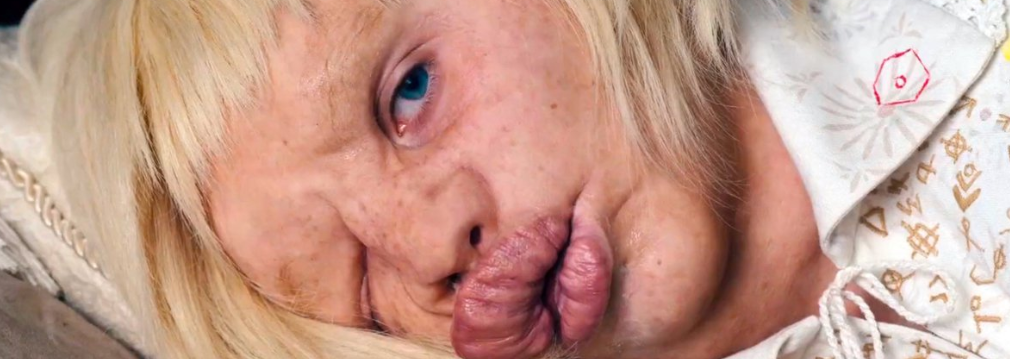
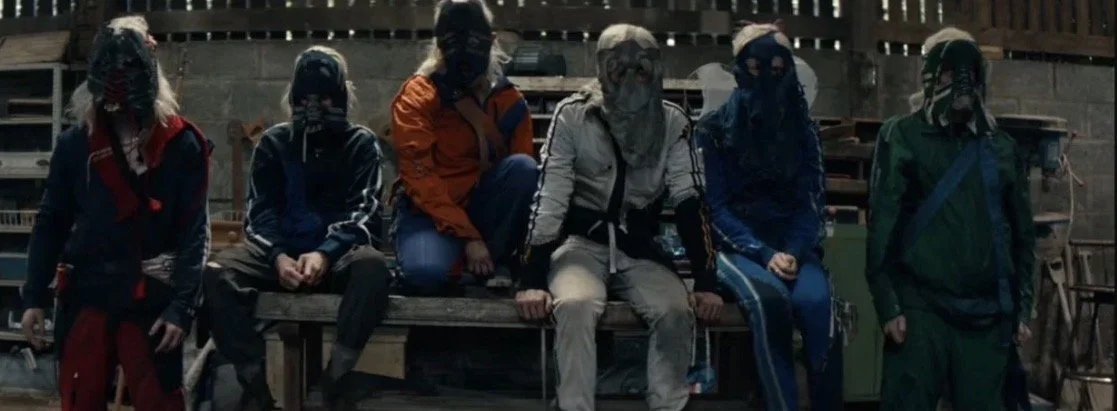
If you missed Nia DaCosta’s “28 Years Later: The Bone Temple” in theaters, you now have a chance to watch it in the comfort of your own home. After a disastrous theatrical bow, this sequel is now available to stream on VOD—around 30 days after it first hit theaters.
Despite great reviews, and a third film that had supposedly been greenlit prior to release—more on that below—“The Bone Temple” only grossed $25M domestically, with a $57M worldwide tally, on a reported $63M budget.
The token moviegoer—and I’m not talking about us freaks who devour cinema daily—was just too turned off by the first installment, Danny Boyle’s “28 Years Later,” released last summer, which was barely what you would call a “zombie movie.” More existential treatise on humanity, less horror-filled gore. That film went on to earn a respectable $70M domestically and $150M worldwide.
This all begs the question: why was Sony so quick to greenlight the third and final chapter? Was it simply a desperate attempt to bolster “The Bone Temple”? That’s what it sounds like.
The last week, I’ve heard from two separate sources that Sony is in no rush to make the trilogy capper happen, despite announcing it last December. In fact, I’ve heard Netflix has shown some interest in acquiring the sequel, but Danny Boyle isn’t having any of it. He wants a theatrical release for this final chapter, which is supposed to star Cillian Murphy.
It certainly doesn’t help that Sony has been stuck in a box-office drought of late, with miss after miss. In fact, this past weekend, they finally had their first genuine winner with the animated “GOAT,” which could end up becoming the first self-financed Sony title to hit the $100M domestic mark since October 2024’s “Venom: The Last Dance” ($139M).
With all that in mind, why would Sony allow a third “28 Years Later” movie to be made when the previous two failed to meet expectations?
Sony propping up Murphy’s return for the third instalment did not sell tickets for “The Bone Temple,” which suggests we might be looking at total audience disinterest in the future of this franchise. Despite critical acclaim, Boyle, Garland, and Sony seem to have lost the built-up audience the franchise initially had.

Bayona hasn't directed a feature since “Society of the Snow,” his 2023 Oscar nominee. His résumé also includes “The Orphanage,” “The Impossible,” and “A Monster Calls.”