



Here’s a wonderful Rob Reiner tribute courtesy of Martin Scorsese via an essay published in The New York Times, writing, “Rob Reiner was my friend, and so was Michele. From now on, I’ll have to use the past tense, and that fills me with such profound sadness. But there’s no other choice.”
Scorsese first became acquainted with Rob Reiner after relocating to Los Angeles in the early 1970s, when he began attending gatherings hosted by George Memmoli that were frequented by comedians and actors.
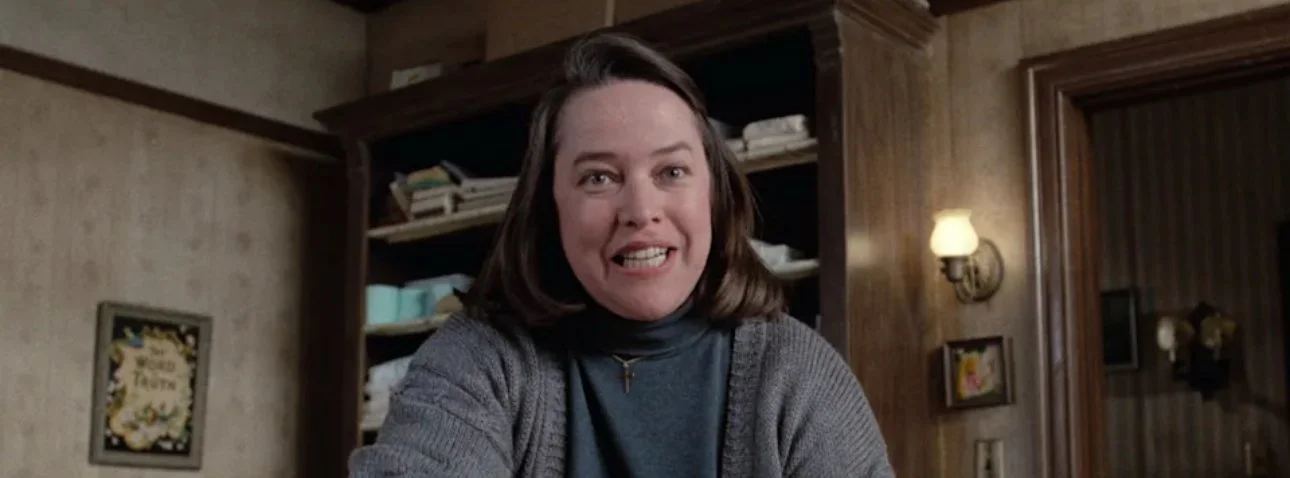
Scorsese believes Reiner’s best work, or at least his favorite, is “Misery,” which he describes as “a very special film, beautifully acted by Kathy Bates and James Caan.” He also wrote that “This Is Spinal Tap” is “in a class of its own … an immaculate creation.” When casting his 2013 film “The Wolf of Wall Street,” Scorsese said he “immediately thought of Rob” to play the father of Leonardo DiCaprio’s Jordan Belfort.
“He could improvise with the best, he was a master at comedy, he worked beautifully with Leo and the rest of the guys, and he understood the human predicament of his character: The man loved his son, he was happy with his success, but he knew that he was destined for a fall,” Scorsese wrote of Reiner. “There’s that wonderful moment where Rob watches as Jon Favreau explains to Leo that he can get out relatively unscathed if he just walks away from his company before the S.E.C. has a chance to charge him with violations. The look on Rob’s face, as he realizes that Leo is hesitating and that he ultimately won’t stop, is so eloquent. ‘You got all the money in the world,’ he says. ‘You need everybody else’s money?’ A loving father, mystified by his son.”
Scorsese added, “I was moved by the delicacy and openness of his performance when we shot it, moved once again as we brought the scene together in the edit and moved as I watched the finished picture. Now, it breaks my heart to even think of the tenderness of Rob’s performance in this and other scenes.”
When one looks at the six Reiner classics he directed, practically back-to-back, a clear thought emerges: they are all drastically different, particularly in genre. “Spinal Tap” is a music mockumentary, “Stand by Me” is a coming-of-age film, “The Princess Bride” is fantasy with a satirical edge, “When Harry Met Sally” is a romantic comedy, “Misery” is horror, and “A Few Good Men” is a political drama. The range Reiner brought to these films was truly unheard of.
His other notable directorial efforts include “The American President,” “The Sure Thing,” and “The Bucket List.” This year, Reiner directed “This is Spinal Tap II: The End Continues” — his first film in eight years.

The “Miami Vice '85” cast keeps growing. Andrew Schulz has boarded Joseph Kosinski's big-screen reboot for Universal, per Deadline, joining leads Michael B. Jordan and Austin Butler.