

This was not a great year for the movies, but neither was it a bad one. The year’s best films absorbed us with their inventive and stylish filmmaking. Most of the titles in my top ten were bold and risk-taking, and challenged us in ways that scare Oscar voters away. As a result, the Oscars will largely ignore them — I don’t think more than a handful of these will make the best picture lineup.
And yet, there was still no shortage of “good” movies in 2025. If none of the films on my list had been made, I could name another batch of underrated films, that have failed to be mentioned by critics, and I wouldn’t wonder at the choices: “Warfare,” “Bring Her Back,” “The President’s Cake, “Presence,” “Splitsville,” “Friendship,” “The Plague,” “Urchin,” “Caught Stealing,” “The Perfect Neighbor,” “Companion,” “The Lost Bus, “ Drop,” “Cover-Up.”
I also can’t fail to mention the more well-known titles worthy of consideration: “Train Dreams,” “Bugonia,” “F1,” “No Other Choice,” “Black Bag,” “Eddington,” and the first 100 minutes of “Sinners,” before it turned into a “From Dusk Till Dawn” ripoff.
Yes, it was a year when more movies opened than during any other year in memory. It’s hard not to find diamonds in the rough when close to 800 films are released, whether theatrically, or on streaming, especially when your job is to seek them out, much like a junkie, looking for his next high.
That’s why it’s disconcerting to see major Hollywood studios put their chips on franchises, formulas, sequels, and “content” engineered for narrow demographic groups — treating cinema more as a product than as an art form. If anything, given the lack of ambition in many big-studio releases, this was the year in which the majority of my list was made up of international titles.
It’s even more depressing to witness cash wasted away on films that should have never been greenlit in the first place (“Tron: Ares,” “Snow White”). For every $150M+ costing bomb, three mid-budget films, with original stories, could have been made instead.
I’ve never been much for declaring a definitive set of ten titles as the best of any given year. These kinds of lists always seem to provoke more grumbling than gratitude. Not once has anyone written to say, “This list is perfect; I agree completely.” And yet, somehow, compiling an annual Top Ten has become a required ritual for anyone who calls themselves a film writer.
A best films list should be a celebration of cinema, not a chopping process. So I finally settled on 15 titles, including two Linklaters, and one particular film as the “best” of 2025.
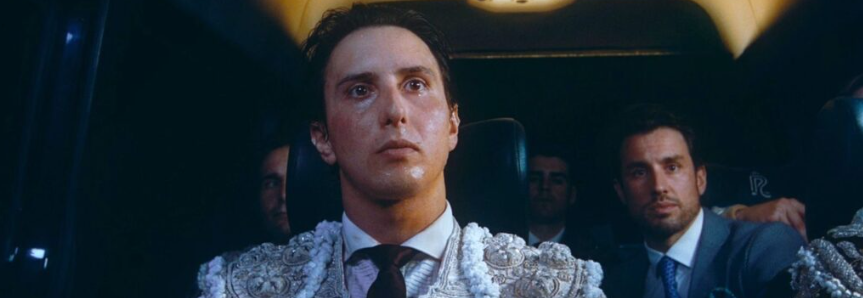
1) Afternoons of Solitude (Albert Serra)
Punishing and perversely transcendent. The music, dance, poetry and blood-soaked nature of a peculiar sport. For nearly two hours, Serra plants us inside the ritualized brutality of bullfighting, following a world-champion matador as he repeatedly enters the ring, over and over again, against different bulls. And somehow—against all odds—it turns absolutely hypnotic. Serra keeps surpassing himself, and I genuinely think this might be the best film he’s ever made. I can’t recall having such a visceral reaction to a documentary. I was simultaneously captivated and physically disgusted, repelled yet unable to look away. An astonishing piece of work—and, naturally, it wasn’t even shortlisted for the Oscars.
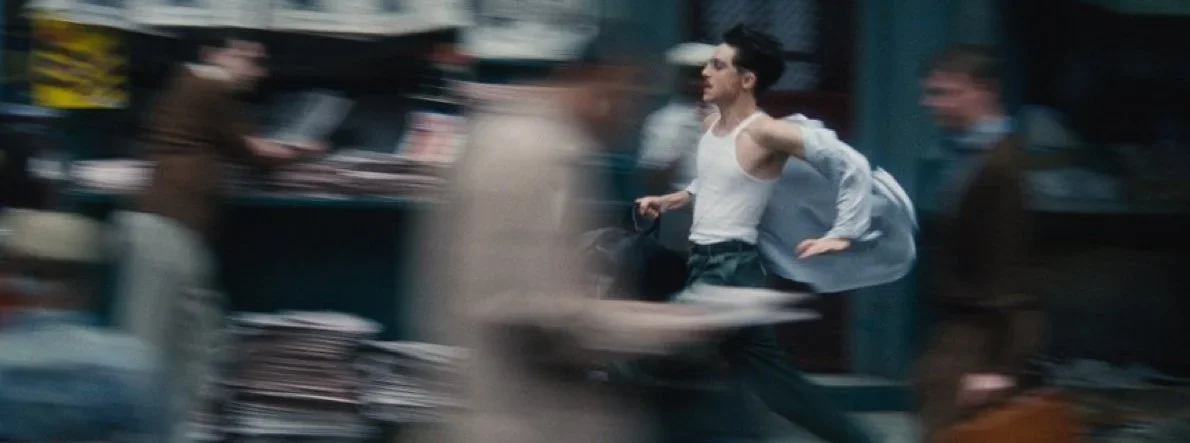
2) Marty Supreme (Josh Safdie)
The first great ping pong epic. Safdie channels full “Uncut Gems” energy, chronicling the chaotic adventures Timothee Chalamet’s Marty faces on his quest for funding and glory. One scheme after another spirals into tense, comedic, and occasionally absurdist situations—yet he somehow always finds a way out of the mayhem. At times, the chaos can feel overwhelming, but the sheer ambition and audacity Safdie displays here is exhilarating to watch. It’s now become clear who was the driving force behind the Safdies’ unique vision, which has resulted in films like “Heaven Knows What,” “Good Time,” and “Uncut Gems”—it was Josh. The gutter poetry style he brought to those films is on full display here.
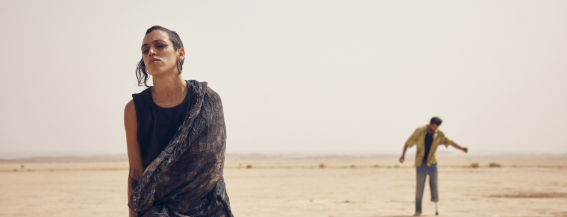
3) Sirāt (Oliver Laxe)
Here’s a film that doesn’t pander to audience expectations; it’s pure, unfiltered extreme cinema. “Sirāt” continues Laxe’s deep dive into mysticism and the human psyche — this time set against the thumping pulse of a Moroccan rave. Sergi López stars as a father searching for his missing daughter, and instead encounters an even worse fate than he had ever imagined. A bomb of creative cinema, the film doesn’t so much play by the rules as it tears them apart, offering a formally bold, emotionally charged vision that left me stunned and shaken. I just had no idea where this film was going next.

4) The Mastermind (Kelly Reichardt)
Reichardt’s film cleverly, and playfully, dismantles the heist formula, replacing high-stakes thrills with a deeply human portrait. Set in 1970s Massachusetts, the film follows J.B. (Josh O’Connor), a laid‑back, bearded burnout who hatches a clumsy plan to swipe four abstract paintings from a gallery. He’s neither heroic nor villainous. The result is a tragically comic portrait of a man too passive to change and too proud to accept defeat, and we’re with him every step of the way as doom slowly nears. Reichardt’s minimalist style, which includes plenty of long takes, finds its perfect match here. It’s her most accessible and entertaining film to date. It’s also one of her very best.
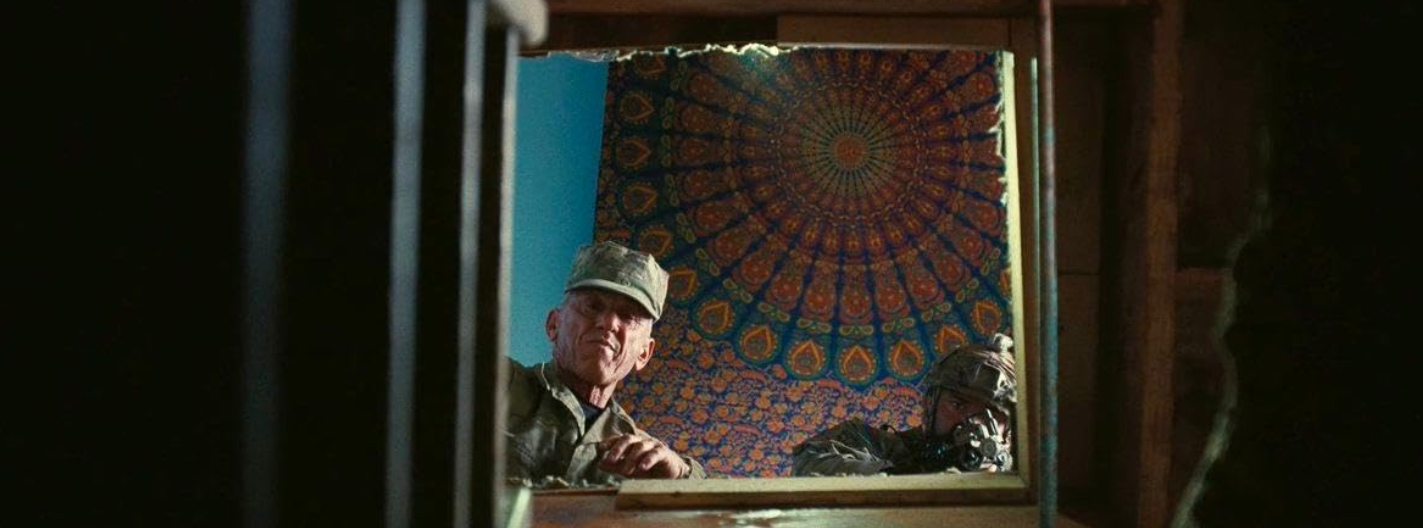
5) One Battle After Another (Paul Thomas Anderson)
Naturally, I went into PTA’s latest with my expectations in check. And yet, 162 minutes later, I stumbled out dazed. Is it flawless? Not even close. Is it brilliant? Numerous stretches certainly are. It’s formally unlike any big studio movie. This messy thing is part road movie, part screwball comedy, part action spectacle, and part satire. It's not as austere as “There Will Be Blood” or “The Master,” nor is it a period piece. It’s the kind of film that can be dumb and brilliant at the same time, ambitious to the point of delirium. Even after three viewings, I’m still sorting through its ideas and images, weighing what worked and what didn’t, while holding on to the memorable moments. Few filmmakers today are as talented as PTA, and even fewer could deliver a vision this distinctive.
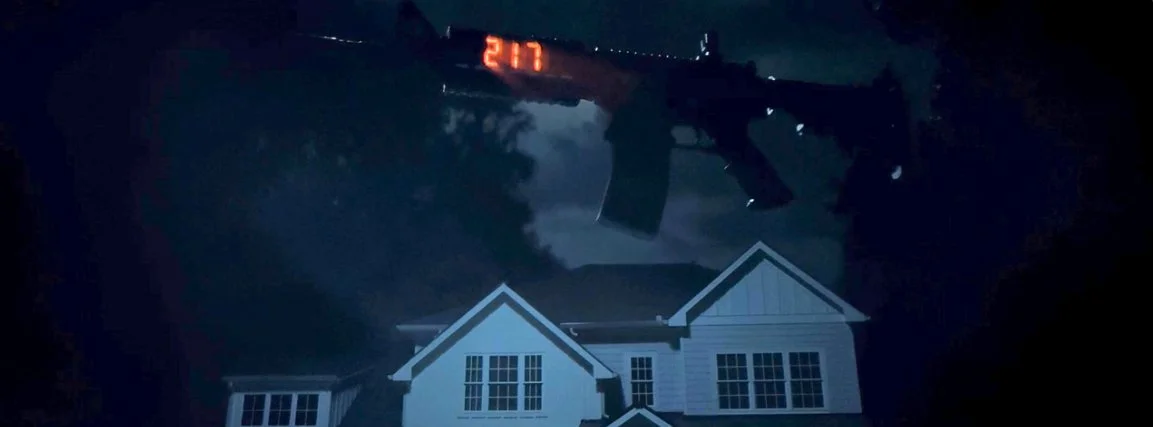
6) Weapons (Zach Cregger)
What a well-crafted ride this turned out to be. Cregger’s ambition and multi-layered storytelling, each thread stacking on top of the other, was genuinely impressive. Post-“Barbarian,” Cregger doubles down on tension, misdirection, and a wicked sense of humor, the kind of confident filmmaking that rarely occurs in big studio releases. What really hooked me was the audacious decision to hop between points of view, sometimes letting moments overlap like a dream. This is, at its core, a child’s nightmare rendered in cinema. I found myself constantly blindsided by where it was heading — the kind of film you should walk into blind, avoiding plot points.
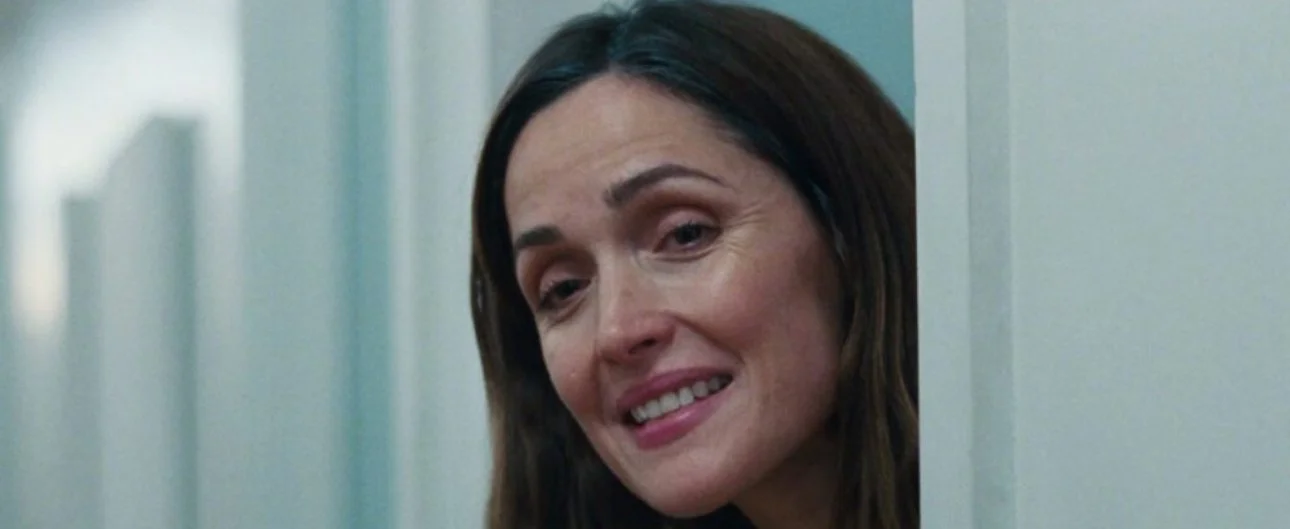
7) If I Had Legs I’d Kick You (Mary Bronstein)
Rose Byrne plays Linda, a woman who attempts to navigate her child’s mysterious illness, her absent husband, a missing person, and an increasingly hostile relationship with her therapist. In a nutshell, her life, and mental psyche, are crumbling before our very eyes. Indeed, We’re right there with her as she mentally deteriorates. No surprise, ‘Legs’ has been compared to another film with similar themes, John Cassavetes’ “Woman Under the Influence.” As with that film, it’s all anchored by an incredible lead performance — Rose Byrne deserves to win the Oscar for her savage turn.
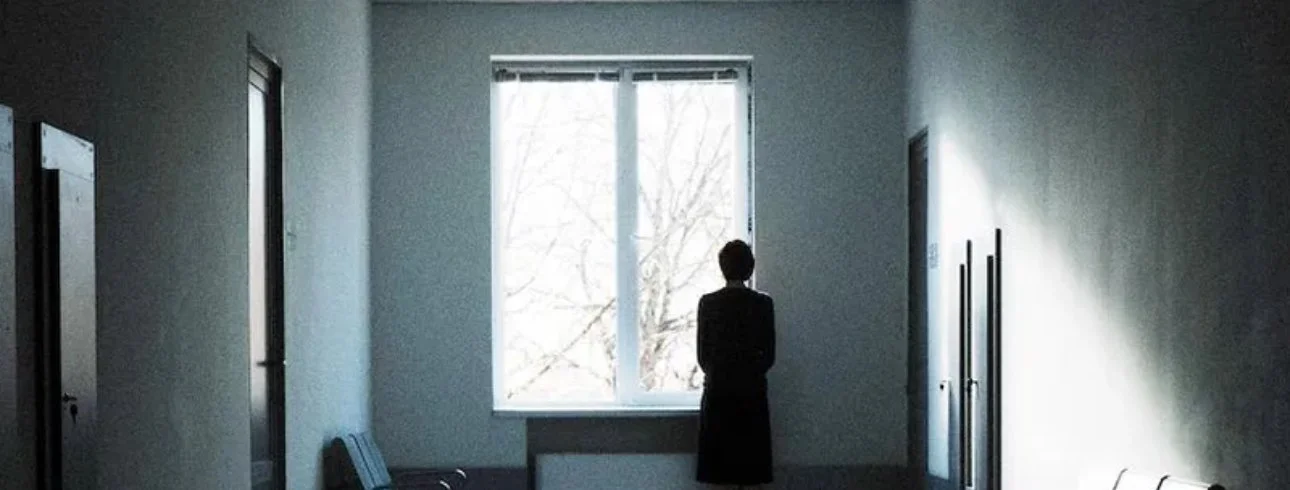
8) April (Dea Kulumbegashvili)
Georgian filmmaker Dea Kulumbegashvili’s “April” tackles Nina, an OB-GYN, facing accusations after a newborn's death. Her life undergoes scrutiny during the investigation. Kulumbegashvili creates frames as tense, ambiguous, and visceral as any film I’ve seen this year. Banking on the promise of Kulumbegashvili’s debut, 2020’s “Beginning,” the film refuses to explain itself, instead opting to hypnotize you with its esoteric nature. Influenced by Romanian cinema, “April” creates its own cinematic language by blending elements of horror, realism and surrealism into a very unique creation.
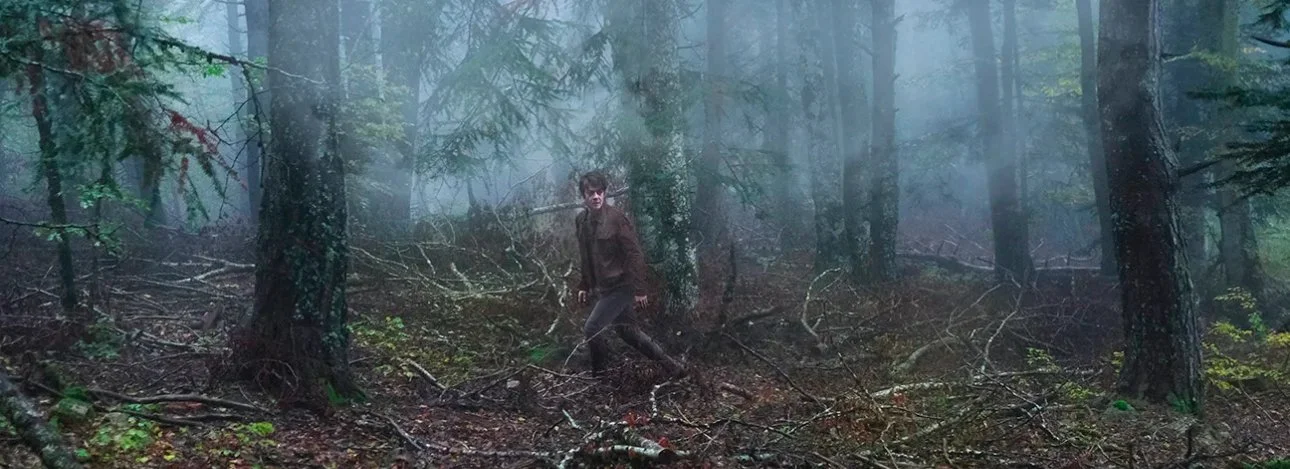
9) Misericordia (Alain Guiraudie)
This is the kind of film that makes you reconsider what a “thriller” even is. On the surface, Guiraudie sets up a deceptively simple rural mystery: Jérémie, an ex-baker returns to his native town for a funeral and promptly overstays his welcome, stirring desire, suspicion, and eventually murder. Much like Guiraudie’s best work, this isn’t about plot mechanics so much as messy, inexplicable logic. What “Misericordia” does best is leave you unsettled — not just by the characters’ amorality but by the ambiguity of their actions. There’s no clear moral center here, just a carnival of pitch-black tragedy and farce, and it all feels eerily unsettling.
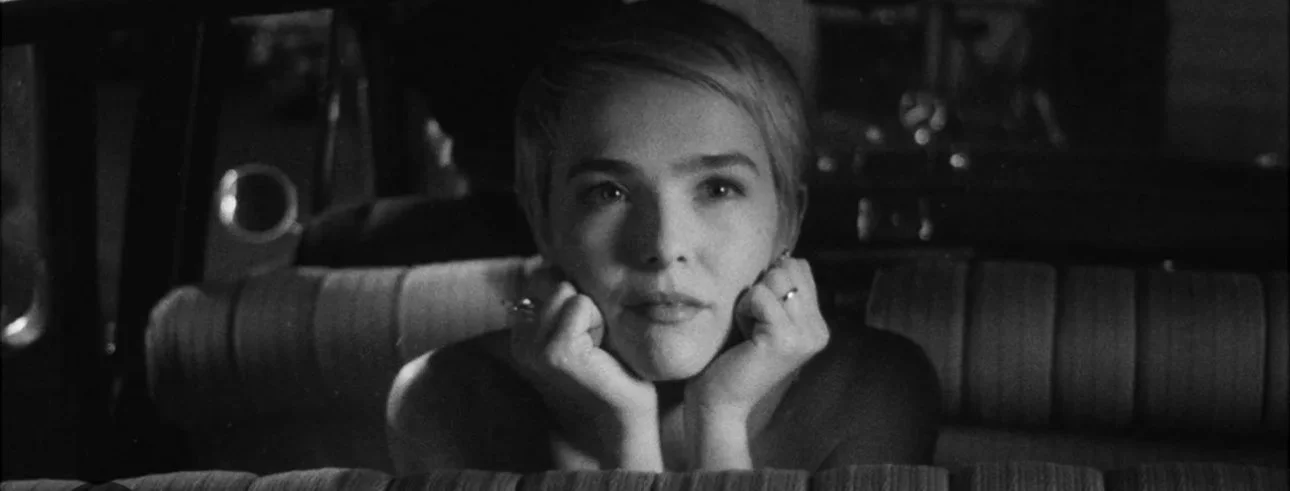
10) Nouvelle Vague/Blue Moon (Richard Linklater)
How can I not insert this Linklater double bill? In “Blue Moon,” Ethan Hawke, of all people, gives a performance that makes you do a double take—wait, is that really him? Hawke crawls inside Lorenz Hart, the tiny, tormented, alcoholic genius who could write songs like no other and drink like no one should. In “Nouvelle Vague,” Linklater is more at home, constructing a hangout movie out of the creation of the French New Wave, and the playfully chaotic making of Godard’s “Breathless.” These two films are a testament to Linklater’s talents, and further prove he’s still one of the great living filmmakers out there, doing his thing, without compromise.
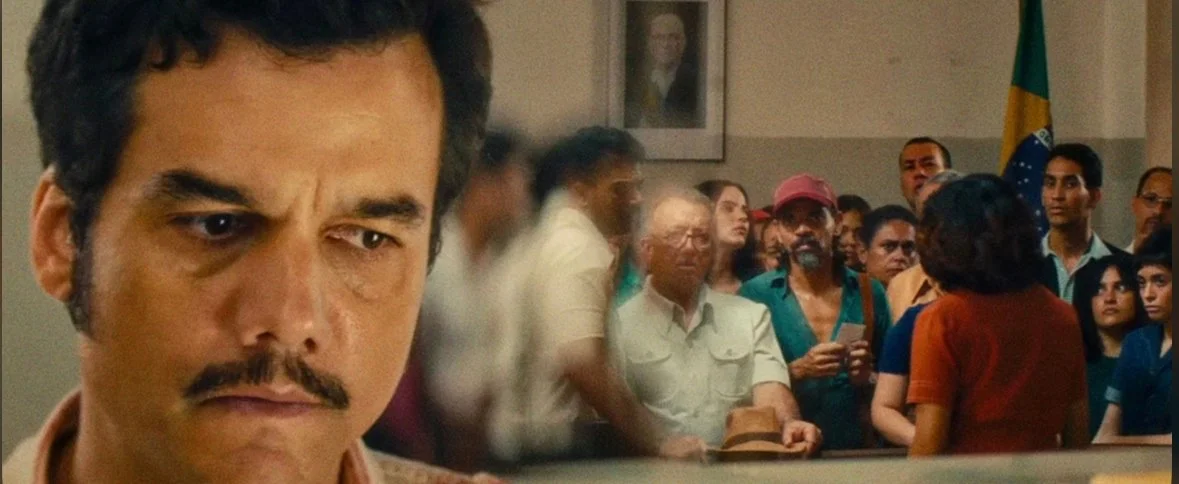
11) The Secret Agent (Kleber Mendonca Filho)
This is an incredibly complex, layered, dense work. Mendonça Filho has made a tense, mosaic-like and politically charged 160-minute thriller set in 1970s Brazil, which weaves cinema itself into the narrative and features a knockout performance from Wagner Moura. I agree with Steve Pond, who says, “Its messiness is part of its charm.” There’s so much packed into this dual-timeline film, and there really isn’t much plot in the conventional sense. It’s all about atmosphere, and it certainly helps that the film is directed, shot, and edited to perfection. Best of all, the cinematography is stunning, and Evgenia Alexandrova is the reason it exudes so much heat and paranoia; I loved the film’s vividly saturated palette — especially those yellows.
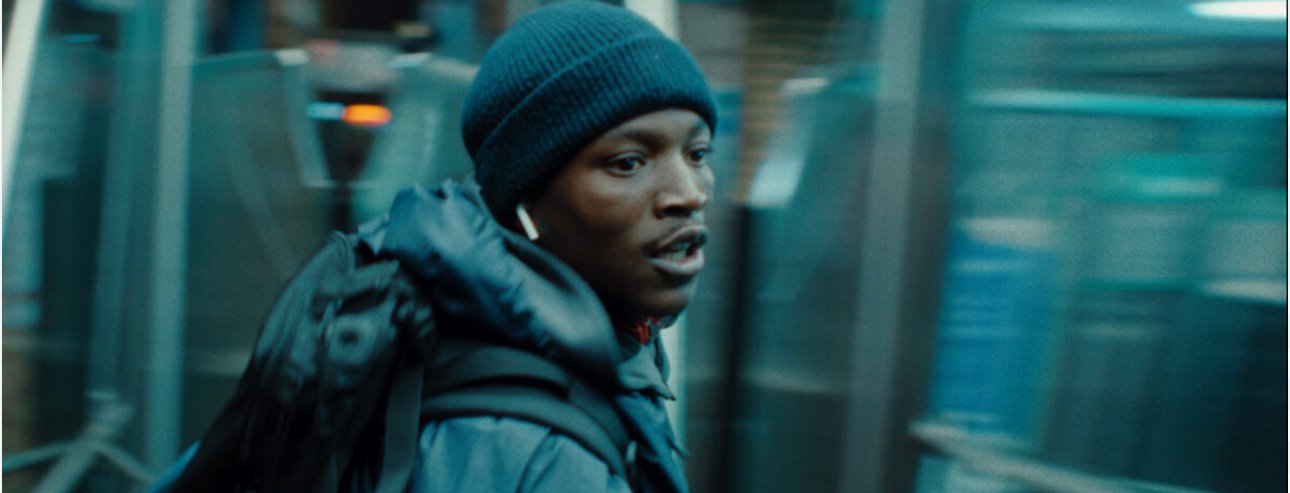
12) The Story of Souleymane (Boris Lojkine)
Coming from French director Boris Lojkine, this is a moving film, a social drama about a struggling Guinean immigrant, who makes modest cash as an Uber Eats delivery man, frenetically cycling around the city. The film tackles a crucial 72 hours in his life, where he also has to prepare for an asylum application interview. Lojkine uses a handheld camera to shoot the story – part socio-realism drama and part thriller. It’s Safdie-esque in how visceral it feels, and aided by non-professional actor Abou Sangaré’s immensely personal performance.
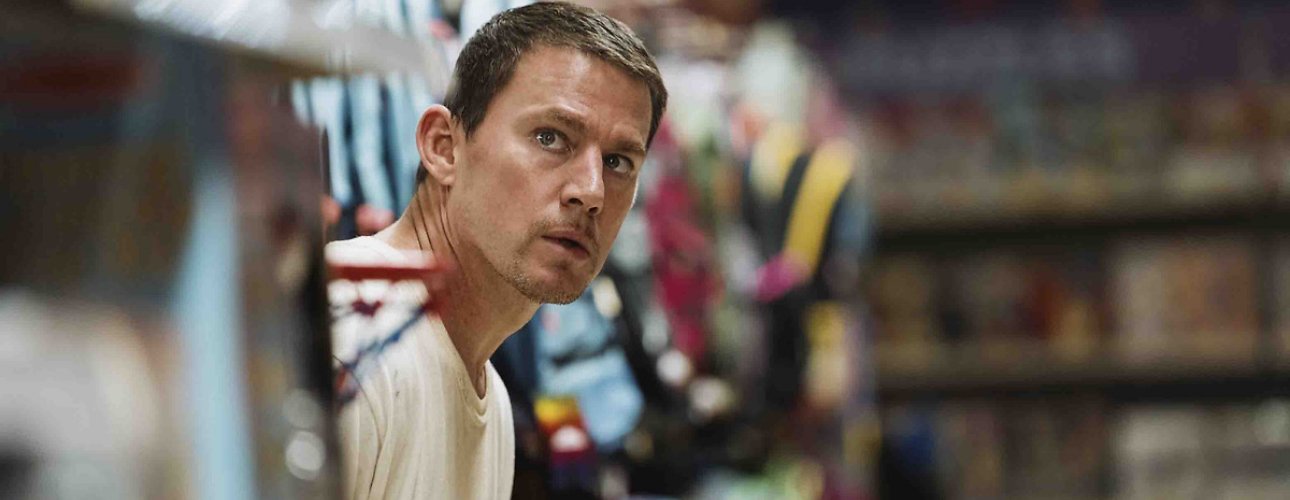
13) Roofman (Derek Cianfrance)
A wonderful blend of charm, mischief, and melancholy, anchored by Channing Tatum’s turn as real-life criminal Jeffrey Manchester. Manchester’s polite, meticulous heists reveal a man as considerate as he is utterly reckless. The film’s playfulness, involving crimes and ingeniously conceived jail breaks, serve as a lens into his complicated character, but it’s his romance with Kirsten Dunst’s cautious, devoted single mother that gives the story its heart. This is a briskly paced film, and stylishly crafted at that; equal parts romantic comedy and tragedy. Many seem to have slept on this one, but it’s an irresistibly made gem.
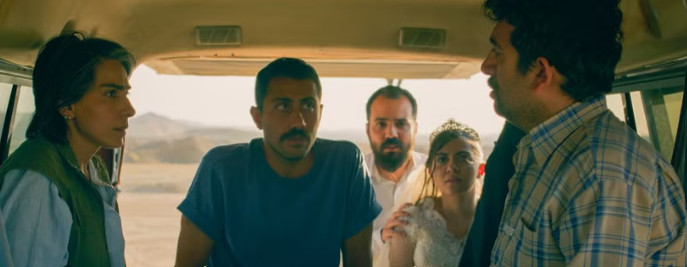
14) It Was Just An Accident (Jafar Panahi)
A spiraling moral road movie that traps its characters in a fog of doubt. Drawing from his seven-month imprisonment and the stories he heard behind bars, Panahi builds a narrative steeped in absurdity. Shot without state approval, “It Was Just an Accident” is his first film since 2022’s “No Bears,” and a return to more straight-laced dramatic terrain. It’s messy, confrontational, and occasionally didactic, especially in the final stretch—though many will overlook that. The film favors a more basic visual approach than the experimental work Panahi made under the regime’s constraints, particularly his 2012 meta-masterpiece “This Is Not a Film.”

USA Network has added a trigger warning before Brett Ratner's "Rush Hour.” The warning cautions viewers that some of the film's depictions, language and humor may come across as outdated or offensive.