
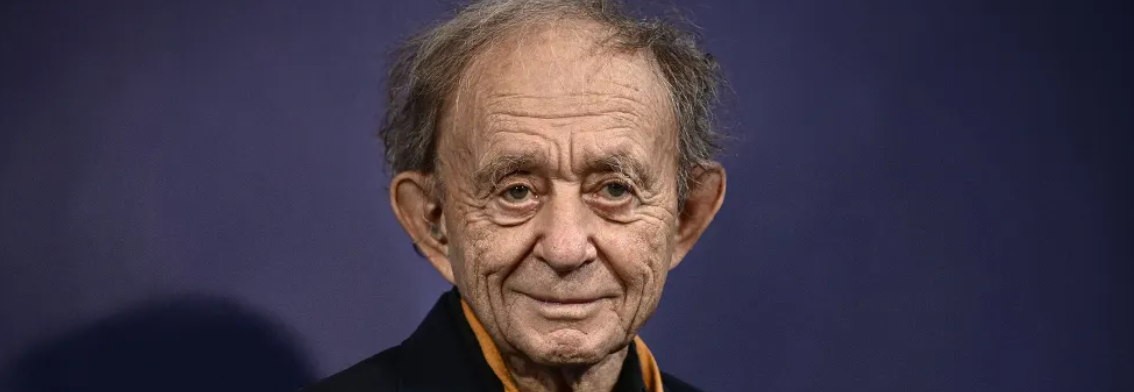
We lost another giant today. Frederick Wiseman, perhaps the greatest non-fiction filmmaker ever, the man who paved the way for the modern-day documentary, has passed away at 96.
Wiseman’s influence on nonfiction cinema is almost impossible to overstate. His work reshaped documentary form itself, setting a standard that remains unmatched.
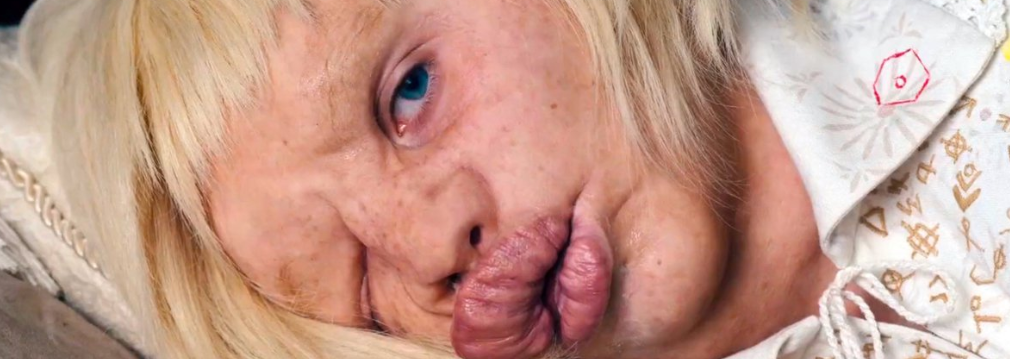
The legacy Wiseman leaves behind is defined by his radical reshaping of observational documentary through films that closely examined institutional life. Works such as “Titicut Follies” exposed the hidden power structures of a mental institution, while “High School” and “Hospital” revealed how authority, routine, and vulnerability intersect in everyday systems.
Every documentary from Wiseman felt like a gift. It’s already damn-near miraculous that he managed to direct his final film, “Menus-Plaisirs – Les Troisgros,” which clocked in at four hours and was released in 2023.
In an Interview last year, Wiseman suggested that he may have reached an endpoint in his filmmaking career. He said that he had been “sick on and off” and no longer had “the energy” required to make another film, explaining that the process demands “an enormous amount of energy” during both shooting and editing. He added that he had to “reconcile” himself to his age, noting that while he had always had “tons of energy,” his energy level had declined in recent years, compounded by illnesses that continued to slow him down.
Wiseman had seven decades of filmmaking under his belt. The number of masterworks he gave us is staggering, and there was no hyperbole on my part when I referred to him as perhaps the greatest documentary filmmaker in cinema history. Who else comes close? Varda, Morris, Herzog, Kopple and Marker are the only other names that might contend.
Some of his most notable films include “Titicut Follies,” “High School,” “Law & Order,” “Hospital,” “Welfare,” “Domestic Violence,” and “In Jackson Heights.” Seek them out, if you haven’t already.

After this weekend, when “Artificial” and “Behemoth!” screen at NYFF, there won’t be many Oscar contenders left unseen. In fact, by my count, there are just two: ‘Cliff Booth,’ and “Dune: Part Three.”