Werner Herzog is such a singular filmmaker that even his failures can sometimes be recommended for curiosity’s sake. Unfortunately, “Bucking Fastard” is very much a failure that you wouldn’t wish your worst enemy to see. It’s the kind of movie that makes you wonder whether Herzog ever stopped to ask where the story was going — or whether he simply trusted that it would eventually find its own way home. The fact that it doesn’t is a bucking shame.
The reviews, so far, have it at 58 on Metacritic. We shouldn’t be so surprised by this — the last strong non-documentary feature Herzog directed was released 17 years ago, “Bad Lieutenant: Port of Call New Orleans.” The man who gave us “Aguirre: The Wrath of God” and “Fitzcarraldo” is far from his peak years at the moment.
There’s been a lot of brouhaha about how Cannes refused to put “Bucking Fastard” in competition, which led to Herzog bringing the film to Venice, where it is competing for the Golden Lion. After seeing the film, I don’t blame Cannes chief Thierry Frémaux for giving Herzog the cold shoulder.
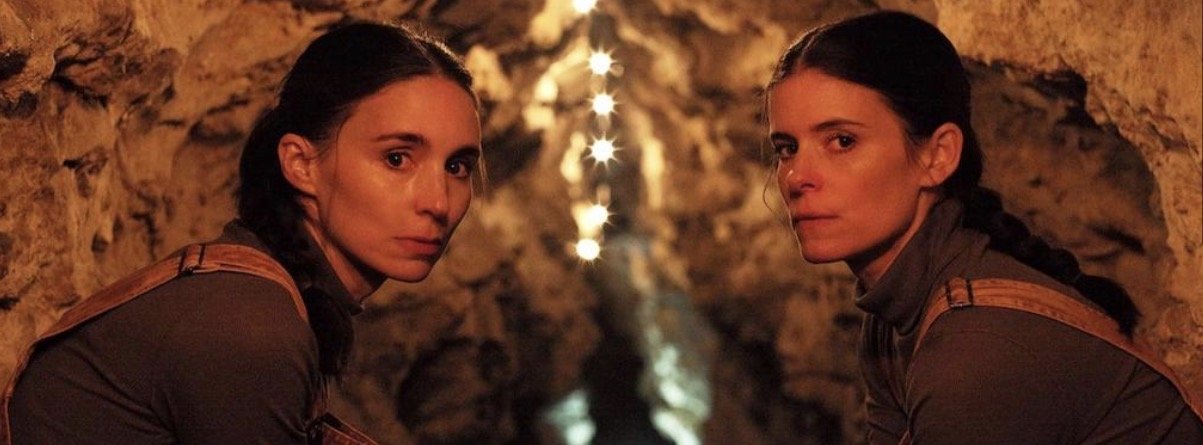
Here’s a fictional feature loosely based on a true story, and it wastes nearly everything it has going for it, including the talents of real-life sisters Rooney and Kate Mara. There are a few laughs, mostly at the start, and occasional visual treats, including a jaw-dropping cave setting in the final stretch, but the movie increasingly feels like an experiment in narrative improvisation. Scene by scene, line by line, it appears to be making itself up as it goes along.
The film takes its inspiration from Freda and Greta Chaplin, twin sisters from York who became something of a media sensation in Britain after their eerily synchronized speech and behavior led to a highly publicized court case involving the harassment of a neighbor in the 1980s. Herzog turns the sisters into Jean and Joan Holbrook, played by the Maras as a pair of bizarrely codependent women who seem incapable of doing anything without doing it together, including having sex with Orlando Bloom.
They speak together. They move together. They think together. At one point, they even discover that they can share dreams. The Mara sisters are impressively committed to the gimmick, and their synchronized performances are easily the most positive thing about the film. You can see the considerable work involved in making two actors appear to function as a single organism.
The problem is that Herzog has apparently decided that watching them do this is enough of a movie. The novelty wears off quickly. The film starts to feel like an especially expensive experiment in seeing how long audiences will tolerate two people walking around in perfect unison.
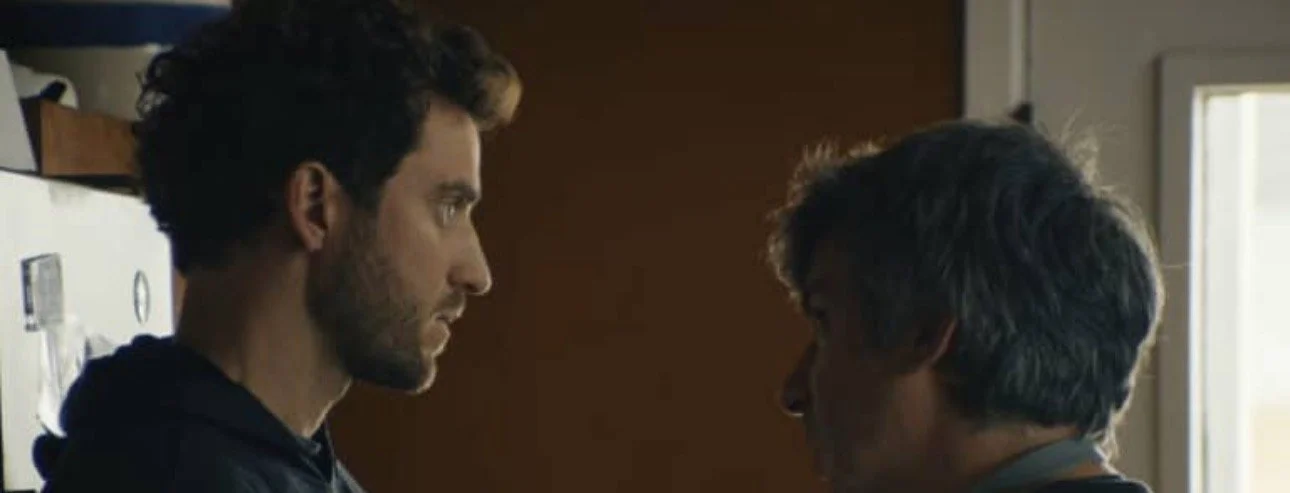
Their relationship with Bloom’s rugged, blue-collar character — who is married — collapses, leading to the court case in which Jean and Joan are forced to explain themselves. During the proceedings, they blurt out the phrase that gives the film its wonderfully ridiculous title: “Bucking Fastard!” they shout. Herzog naming the film after this one moment is another strange creative decision.
Domhnall Gleeson plays a sympathetic social worker who takes an interest in the sisters as he attempts to help them function within the normal world. Eventually, Jean and Joan move in with an aunt in the countryside, where the movie takes an abrupt turn into the subterranean. The sisters discover a tunnel in a hillside cave and become convinced that if they can extend it far enough, they will reach Orkney, a utopia they have completely imagined where, presumably, all their problems will disappear.
There is something almost insane about this development.
The fascinating true story behind “Bucking Fastard” deserved something more profound, but Herzog reduces the sisters to cartoonish oddballs, wasting Rooney and Kate Mara’s committed performances. Despite plenty of episodic encounters, the film ultimately feels aimless and inconsequential — a missed opportunity from a filmmaker who usually understands outsiders better than almost anyone.

No official figure has been reported, but best guess is the budget landed somewhere in the $10M range. HBO pre-bought the streaming rights, but that was before David Ellison took over