


Emily Wilson, the acclaimed translator of Homer’s “The Odyssey,” was a major target of the online culture-war backlash surrounding the film, largely because Nolan admitted that his adaptation was heavily influenced by Wilson’s influential 2017 translation.
One would expect a warm reaction from Wilson toward Nolan’s film. That, apparently, is not the case.
In an interview with The Guardian, Wilson essentially trashes Nolan’s film. She welcomes the renewed interest in Homer and acknowledges that a major Hollywood adaptation will bring new readers to the ancient epic, but she argues that Nolan’s film misses the complexity that makes Homer’s poem endure.
Wilson’s main criticism is that the film transforms Odysseus from a morally ambiguous, unpredictable figure into a more conventional modern hero. As she put it:
I would be ashamed to write any part of this script […] I don’t think it’s a complicated movie. And I don’t think it’s even about a complicated man. I think it’s a quite simple action hero movie about an action hero who feels bad about being an action hero.
She accepts that every version of The Odyssey involves interpretation and change, but she believes the film removes too many of the tensions that define the original. Homer’s Odysseus is not simply brave or noble; he is a “complicated man”—a survivor, strategist, liar, and manipulator whose intelligence is inseparable from his flaws: “The whole point is that Odysseus is someone you both admire and distrust.”
Her criticism also extends to the way the film handles the women and relationships at the centre of the epic. Wilson has argued that Homer’s female characters, particularly Penelope, are far more complex than traditional adaptations often allow. The original poem, she says, is not simply a story of a heroic man returning to a waiting wife; it is also about “a woman who has been managing a household, a kingdom, and a crisis for 20 years.” She believes Nolan’s version reduces Penelope’s role.
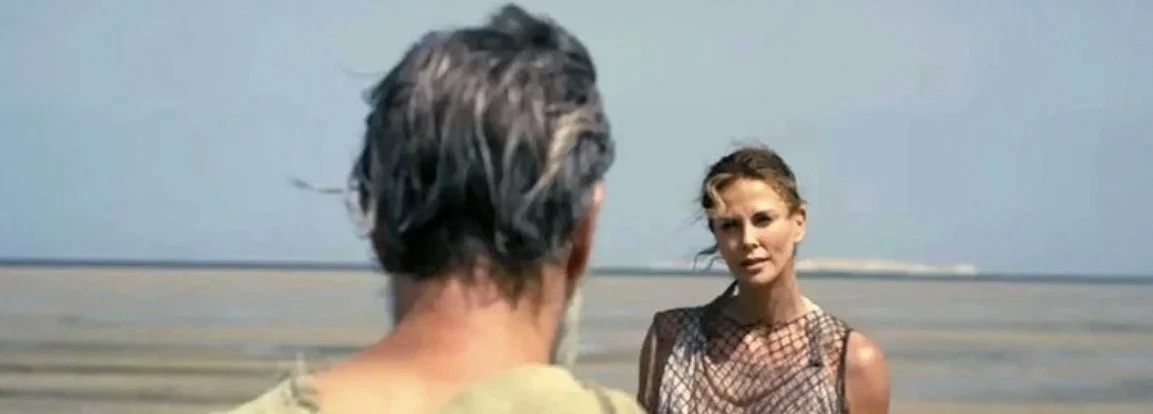
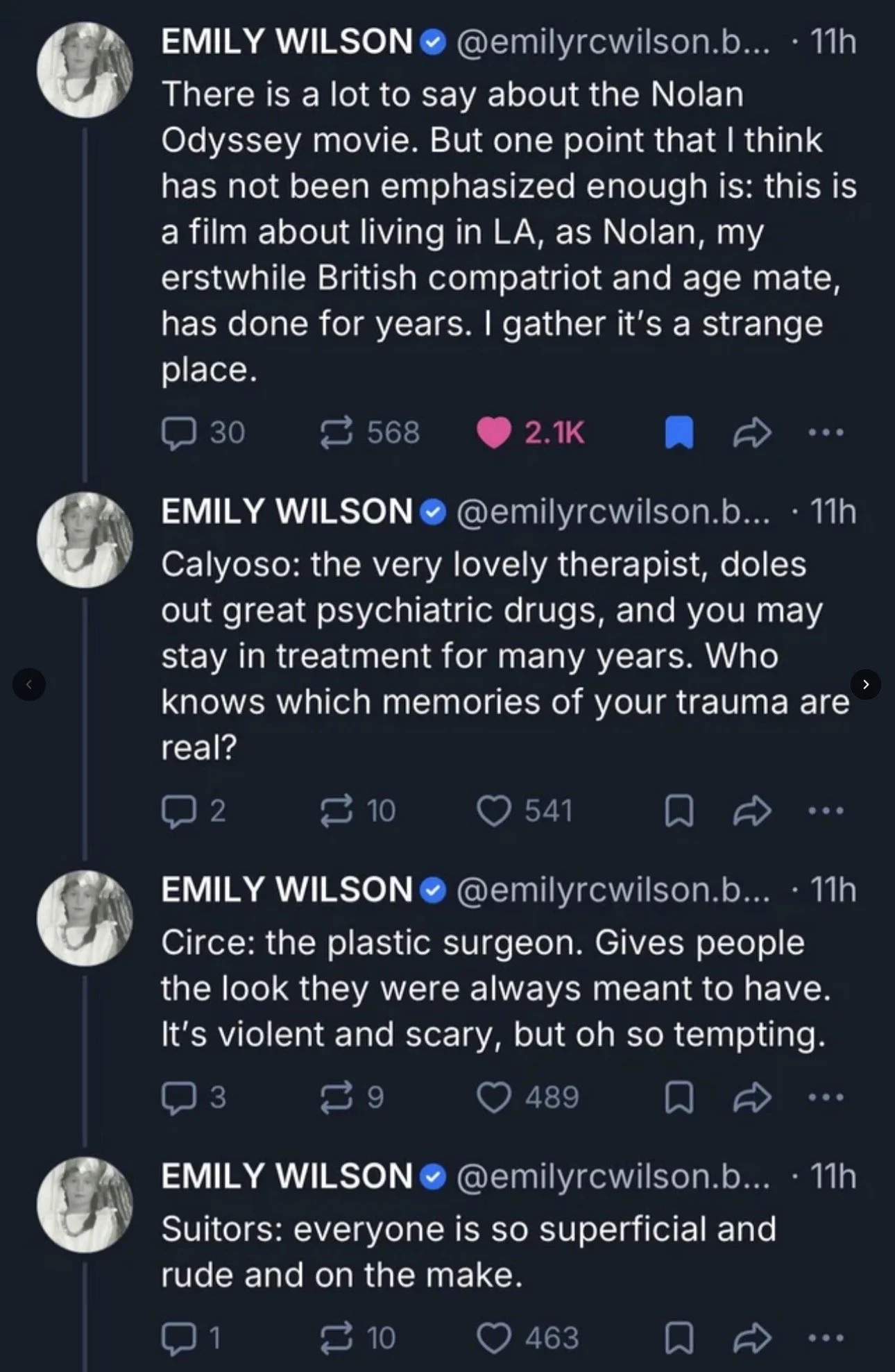
Most interestingly—and this would be my main qualm about Nolan’s adaptation—is the lack of sex. In particular, Wilson objects to the way Nolan’s film handles Odysseus’s relationships with figures such as Calypso and Circe. In Homer’s poem, Odysseus spends years with both women. Calypso, played by Charlize Theron in the film, is especially significant: she holds Odysseus captive for years, and their relationship involves themes of power, desire, and coercion. In Homer’s version, she keeps him from returning home and exerts control over him in ways that highlight the darker aspects of the epic.
Nolan’s version reimagines Calypso in a less sexualized, more therapeutic role, which Wilson sees as part of a larger pattern of smoothing out Homer’s harsher edges.
You can nitpick at every detail that has been left out of Nolan’s film, which, despite its flaws, is still a mighty impressive achievement. However, I do find the smoothing over of Calypso pretty blatant. As for Wilson’s other qualms, I understand them, but to do Homer’s poem justice, you would probably need a much longer film—and Nolan’s precious IMAX cameras will not allow that. He maxed out at the 2-hour-52-minute mark.
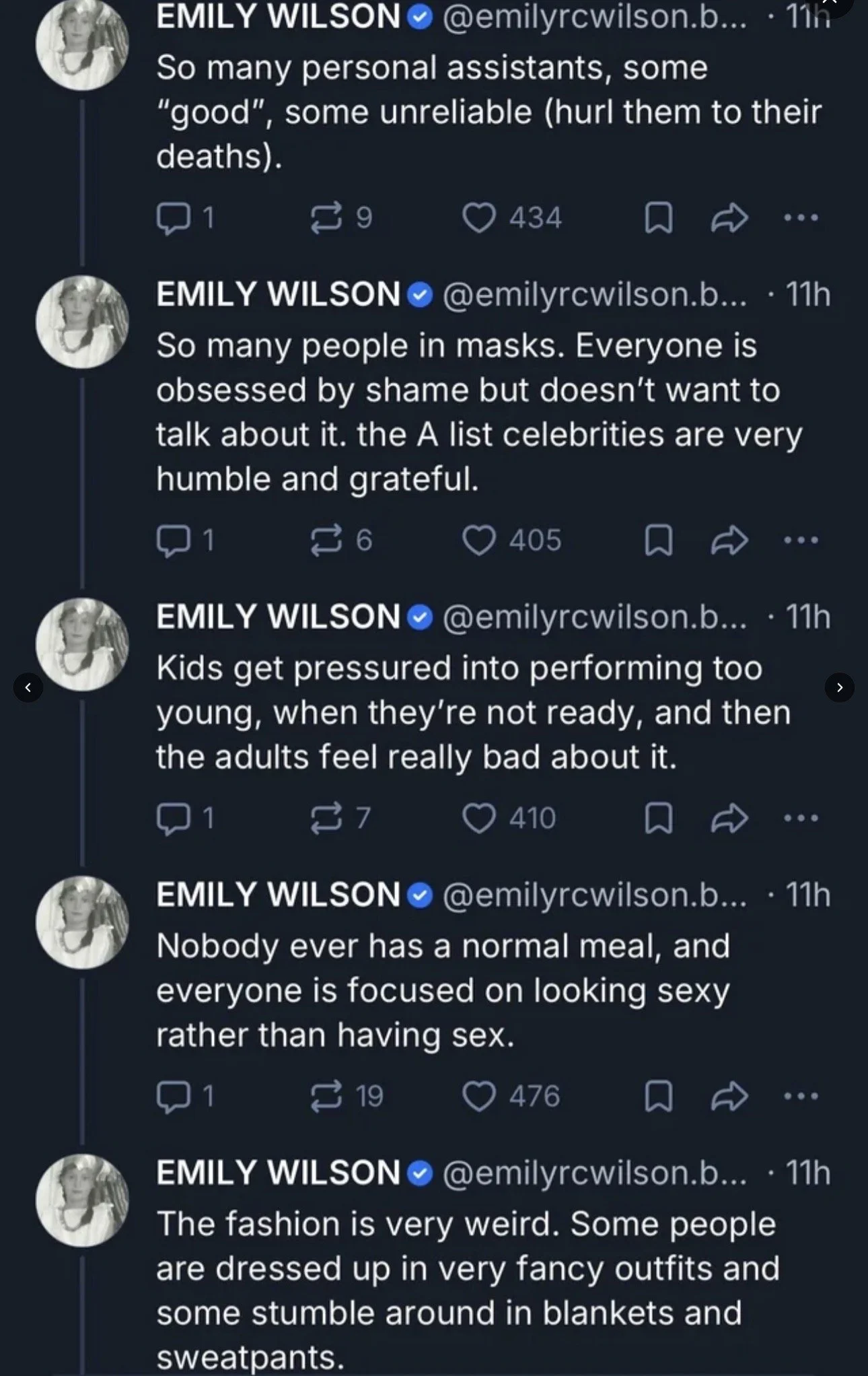
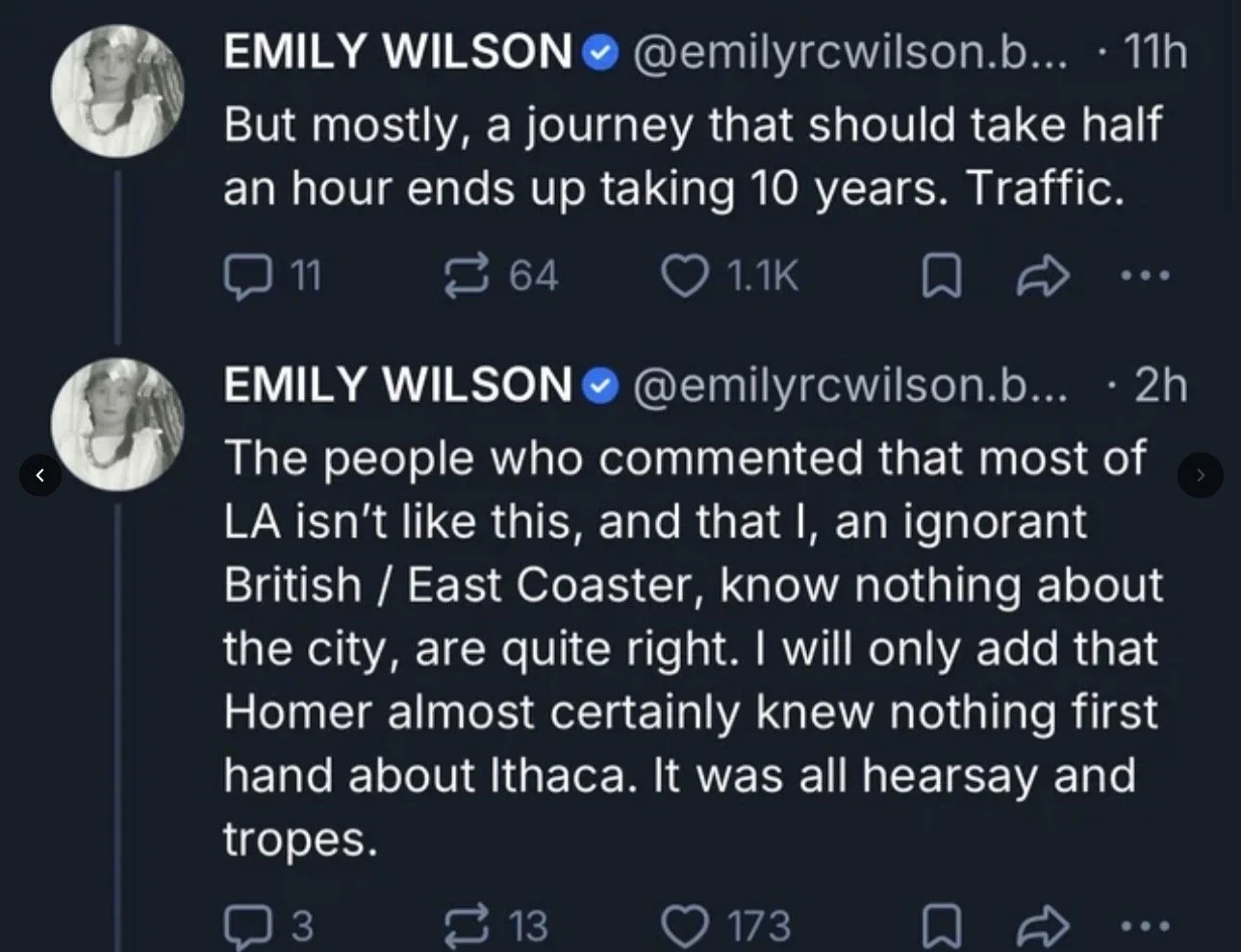
Wilson hasn’t stopped there; she even went on an anti-Odyssey rant on X.

Takashi Yamazaki isn't wasting any time. "Godzilla Minus Zero" hasn't even opened yet (it arrives November 6), and he's already readying his next move: his first major studio picture, "Grandgear."