


Here’s something that should surprise absolutely nobody: Netflix has revealed that roughly 300 titles on its platform have used generative AI.
In its second-quarter earnings report, the company said it is increasingly using AI tools to create higher-quality content faster and at a lower cost. Netflix cited AI being used for complex sequences such as enhanced crowds, historical battles, and worldbuilding shots. In fact, the technology’s usage expands across every level of the production process, from its concept and pre-visualization to post-production and release
The streaming giant has been expanding its AI ambitions as the technology advances, including acquiring Ben Affleck’s AI startup and launching an AI-focused animation studio.
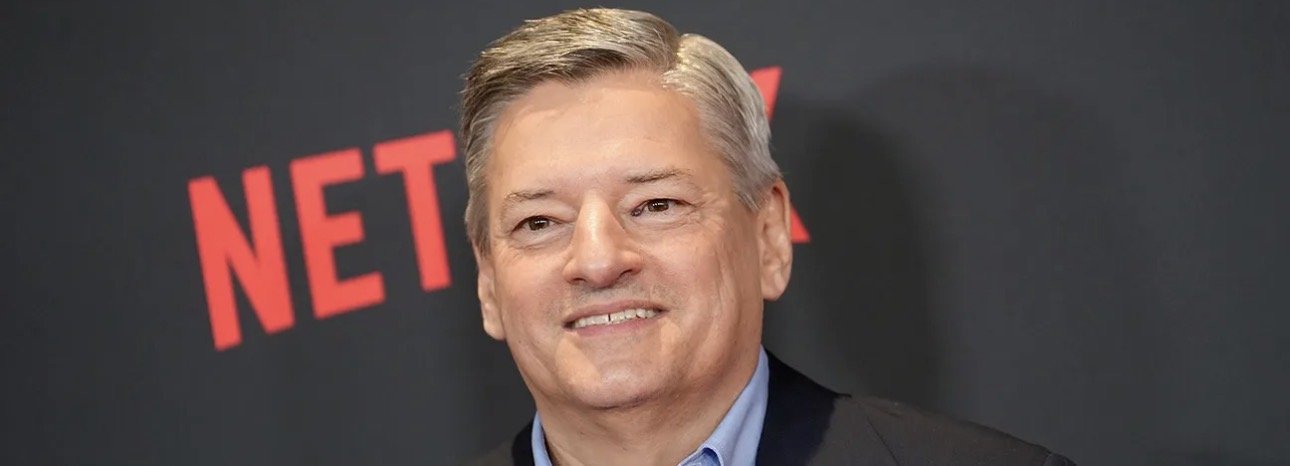
Netflix co-CEO Ted Sarandos has said the company used the technology because it was more efficient and affordable. The fact that more than 300 titles have used AI means it surely includes some notable filmmakers, many of whom will likely remain anonymous — they probably don’t want to get dragged into the conversation. I get it.
“It enabled us to expand the scope of the series in ways that wouldn’t have been feasible before,” Sarandos said on the call, citing the upcoming series “The American Experiment as an example. “Those 17 minutes, they were produced twice as fast and at half the cost of previous options. By equipping creatives with these tools, we believe it is going to enhance their abilities and have better and more impact for every dollar we spend on our programming.”
“Keep in mind that in many of the cases, productions would’ve left out those key shots because they wouldn’t have been able to afford them, they wouldn’t have been able to do them in the time frames that they’re working on,” Sarandos elaborated. “So those sequences are saved by the availability and access to the Gen-AI tools.”
Listen, for a few years now, we’ve talked about some of the streamer’s movies having that “Netflix look” — a visual style that we have come to associate with certain Netflix films. How do you describe it? Very clean images, smooth motion, bright and even lighting, and heavy color grading.
The visual effects also tend to appear overly polished or artificial, sometimes lacking the texture and imperfections associated with theatrical releases. I’ve always suspected that AI might have been used to help achieve this slick look. Now, Sarandos did not mention any specifics during today’s earnings report, but is it such a stretch to theorize that some of the polished digital appearance we see in many Netflix movies may have been a result of AI-enhancement?

Turner will play an 80-year-old Jewish woman who falls for her much younger Trinidadian aide in Florida, "experiencing a love that transcends all differences." Yep, sounds like a Todd Solondz movie.