



I’m looking at these ‘Odyssey’ ticket sales, which have absolutely spiked since the reviews came out at noon. I’ll have more on the numbers tomorrow. Suffice it to say, Hollywood may finally be ready to declare 2026 a comeback year.
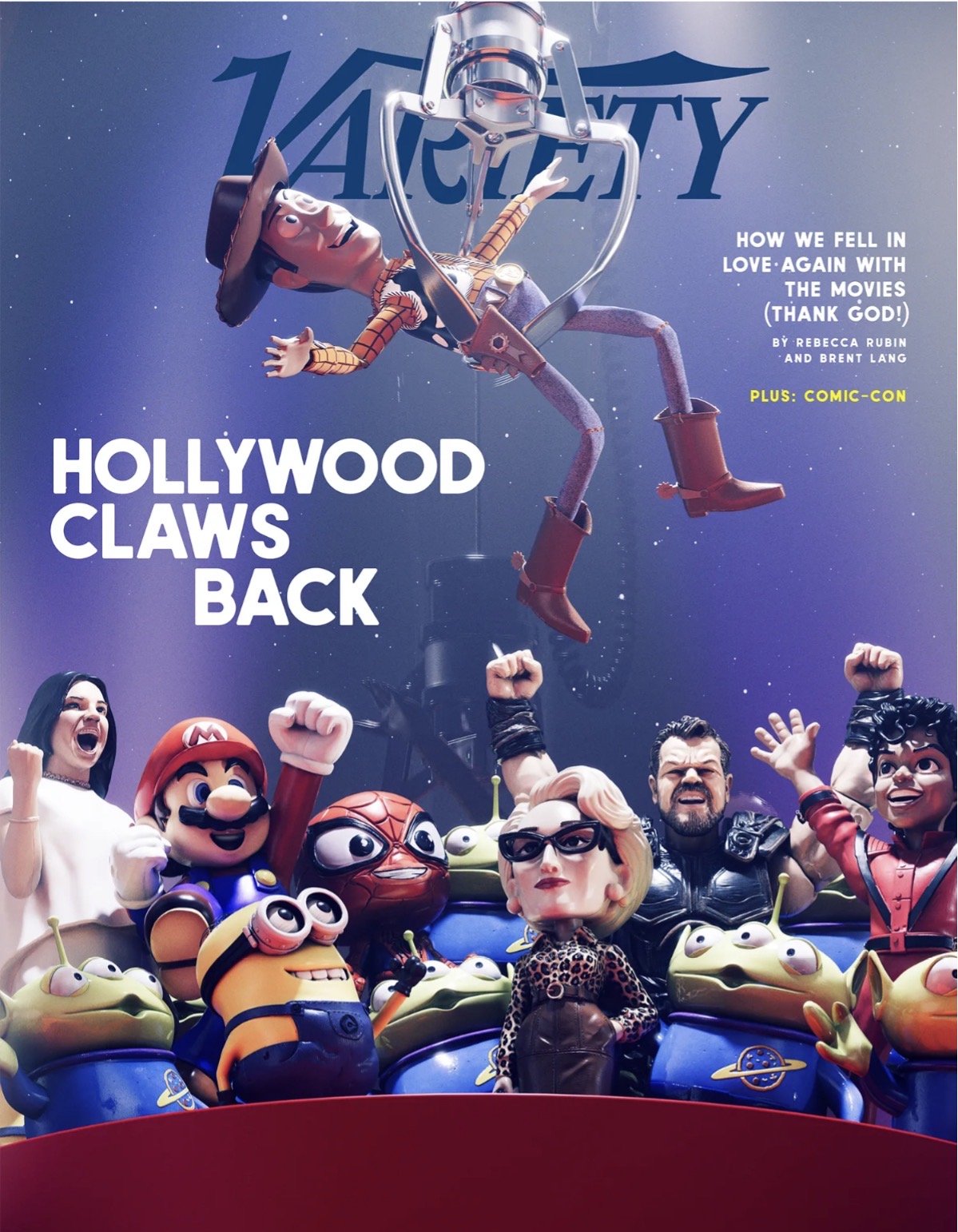
According to a new Variety report, the domestic box office is on track to surpass the symbolic $10 billion mark in 2026, a milestone the industry hasn’t reached since before the pandemic, in 2019.
After years of doom-and-gloom headlines about streaming killing movie theaters, the conversation has suddenly flipped. Studios are once again talking about packed auditoriums, sold-out premium screens, and audiences showing up in force for movies that feel like genuine events.
The biggest surprise? This wasn’t driven by a single superhero blockbuster carrying the entire business. Instead, the marketplace has been fueled by a diverse slate that includes originals, family films, horror, prestige titles, and blockbusters. Hollywood has spent years searching for the formula to lure audiences back, and the answer appears to be remarkably simple: make movies people actually want to leave the house for.
Some of the year’s success stories include “Project Hail Mary,” “Obsession,” “Backrooms,” “Michael,” and “The Drama” — notice that these aren’t superhero movies or video game adaptations. Sure, you have ‘Spider-Man’ about to break box office records three weeks from now, but “The Odyssey” will also make a lot of money this weekend, and its ticket sales are being driven almost entirely by the filmmaker attached to it.
Variety points to a broader shift in audience behavior. Younger moviegoers, particularly Gen Z, are driving the box office, having not abandoning theaters after all. They’re also the most adventurous demographic, willing to buy a ticket to original, non-IP films. They’re flocking to movies that generate social media conversation, and memes. Going to the movies has once again become an event.
For years, every box office story centered on decline, shortened theatrical windows, and existential questions about whether cinemas had a future. Was “cinema dying,” as Scorsese famously suggested? Now the narrative has completely changed. Hollywood has climbed out of its post-pandemic slump, and that’s alongside the superhero genre’s declining popularity, Star Wars losing some of its box office appeal, and audiences growing increasingly wary of reboots and remakes.
After years of uncertainty, audiences are coming back, theaters are buzzing again, and the big-screen experience suddenly feels… indispensable?

Turner will play an 80-year-old Jewish woman who falls for her much younger Trinidadian aide in Florida, "experiencing a love that transcends all differences." Yep, sounds like a Todd Solondz movie.