



This weekend sees the release of two very good indies, which automatically rank among the better films of 2026 so far. Both are in the 80s on Metacritic, and for good reason.
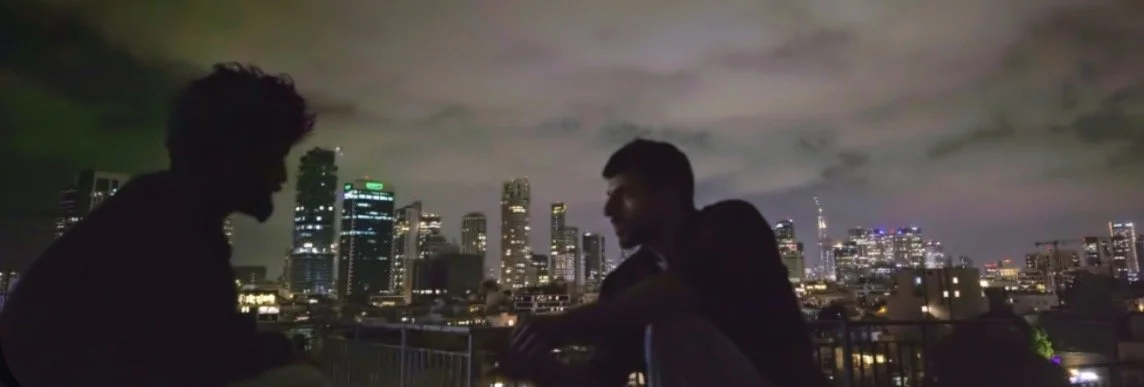
“Leviticus” (83 on MC) is a queer supernatural horror film from Adrian Chiarella. After debuting to raves at Sundance in January, it continues the incredible year horror has had with “Obsession,” “The Bone Temple,” “Send Help,” “Backrooms,” “Hokum,” “Exit 8,” and “Faces of Death.”
In “Leviticus,” Chiarella turns conversion therapy into an atmospheric horror nightmare. Set in a remote Australian town, the story follows Naim (Joe Bird) and Ryan (Stacy Clausen), two teenage boys who are drawn to each other despite the hostility surrounding them. Their parents learn of the attraction and hire a shaman-like figure called the “Deliverance Healer,” played by Nicholas Hope, who subjects them to a traumatic, cultish exorcism ritual that curses them to be stalked and attacked by murderous entities.
The central hook—a violent entity that appears as the person each victim desires most—makes for frightening scares. Bird and Clausen have intense chemistry, while Chiarella powers the story with nods to queer cinema history, including echoes of “Un Chant d’Amour,” while steadily amping up the dread. The film has plenty of disturbing imagery, possession scares, and brutal violence, but it’s the restraint that makes “Leviticus” stand out. The ambiguity surrounding the entity keeps the tension high throughout its tight 86-minute runtime.
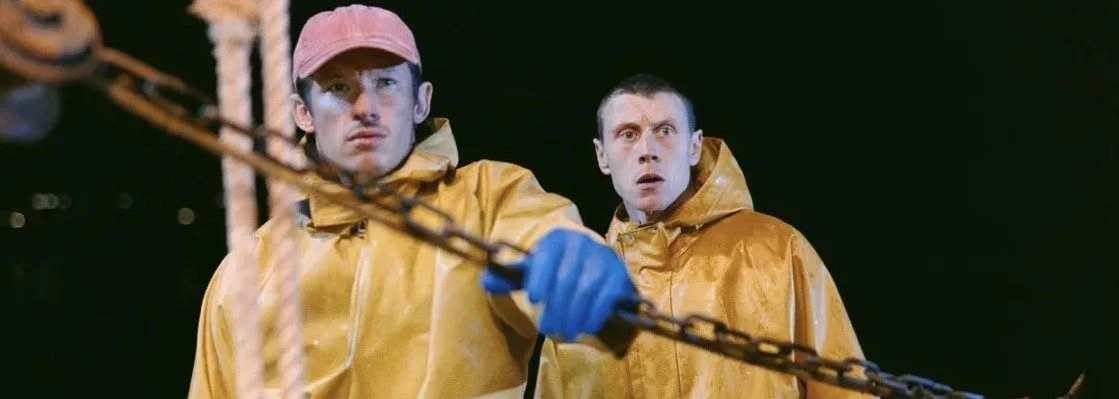
Mark Jenkin’s “Rose of Nevada” (85 on MC) is a haunting, genre-defying enigma set in a nameless Cornish fishing village. The unique filmmaker behind “Bait” and “Enys Men” has made the best film of his career.
The story follows Nick (George MacKay) and Liam (Callum Turner), two men desperate for work who join a new crew and board a mysteriously reappeared ship, the Rose of Nevada, only to find themselves inexplicably transported back to 1993.
Jenkin shot the film using his signature old-fashioned method: primarily on 16mm film with hand-wound clockwork Bolex cameras rather than modern digital equipment. He did not record synchronized sound during filming; instead, all dialogue, sounds, and effects were created later in post-production.
Tackling loss and the decline of coastal communities, the result is a dreamlike, uncanny atmosphere. Hypnotic, disorienting, and deeply surreal, it’s an almost indescribable experience. Is it a ghost story? A time-travel story? Supernatural horror? Kitchen-sink drama? The answer is somehow all and none of the above.

In case you’re too curious to wait, here’s the leaked teaser for Jeremy Saulnier’s “Slayground” that’s currently being shown in theaters, and it plays hard.