

The Cannes Film Festival is again facing criticism over gender imbalance in its competition lineup. This year, only five of the 22 films in competition are directed by women.
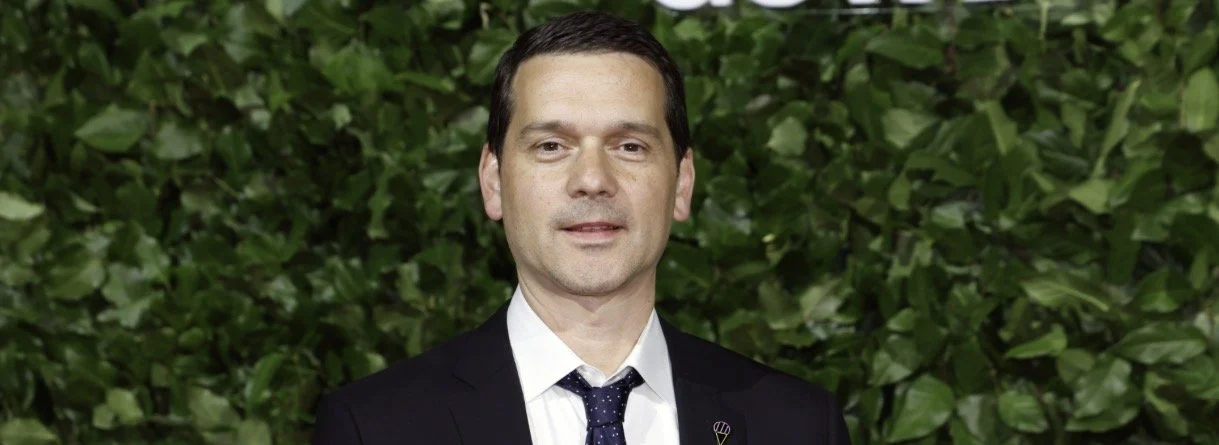
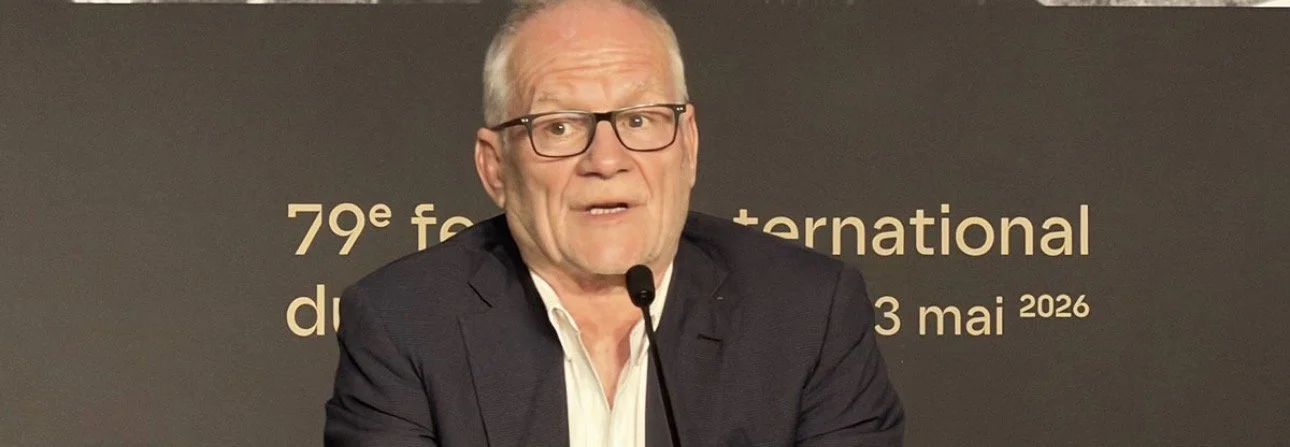
This morning, at the annual press conference, Cannes boss Thierry Frémaux defended the selections as being based purely on artistic merit. He maintains that Cannes does not deliberately exclude women, arguing instead that “films are chosen for their quality, not the gender of their directors.”
This long-standing position has repeatedly placed the festival at the center of debates about equality in global cinema. Advocacy groups have pointed out that representation has remained uneven despite public commitments to improvement, with one noting that Cannes risks “celebrating cinema while sidelining half its creators.”
Frémaux and the festival’s position is that imposing gender targets would compromise artistic integrity, even if representation gaps persist year after year. In this view, the imbalance begins earlier in production pipelines, where fewer women direct high-budget or internationally submitted films. This perspective echoes Frémaux’s earlier argument that Cannes is simply “reflecting what cinema produces each year.”
Still, feminist groups, including “Collective 50/50,” remain unconvinced; they argue that Cannes cannot claim to represent global filmmaking while “the absence of women remains so visible in its most prestigious selection.”
In his defense, Frémaux recounts that, in her final days on this earth, as feminist movements increased pressure on Cannes to make its competition more inclusive, the late great Agnès Varda told him: “I’m not a female director. I am a woman, and I am a director.” Frémaux added, “She said to me, ‘please, never pick a film because it’s directed by a woman. Pick a film because it’s a good film.’”
And yet, progress has been made. In the first 73 years of its existence, only one female director had won the Palme d’Or: Jane Campion for The Piano (1993). In the last five years alone, there have been two—Julia Ducournau’s Titane (2021) and Justine Triet’s Anatomy of a Fall (2023).
This year, Frémaux selected five female directors in the official competition: Léa Mysius’ “The Birthday Party,” Marie Kreutzer’s “Gentle Monster,” Valeska Grisebach’s “The Dreamed Adventure,” Charline Bourgeois-Taquet’s “A Woman's Life,” and Jeanne Herry’s “Garance. Complaints ensued, with multiple US media outlets expressing alarm at the lack of female representation.
The fact of the matter is that there are people out there who truly believe in quotas at film festivals and awards shows when it comes to gender equality in the arts. As I wrote a few years back, “there are many out there who want not just film awards, but film criticism in general, to be swept up by identity politics. If that ever happens, then the ethical nature of the field will be done for. The notion of judging a film as to whether it is good or bad would vaporize.”
To many, it’s more about who made the movie, who stars in it, and its message, rather than whether it is a quality statement. Of course, it is important to progress and have inclusion in cinema, but it should never be done in a forced way. Around 80% of filmmakers in the industry are still male, which means there is still a strong likelihood that many of the best films each year will be directed by men. It is an inconvenient fact, but that is where things stand. Despite meaningful changes in recent years regarding gender and racial inclusion, cinema is still a long way from full parity.

Warner Bros. has delayed "Gremlins 3" from its original November 19, 2027 release date to October 27, 2028, making it a Halloween-timed release. A teaser has also been released.