


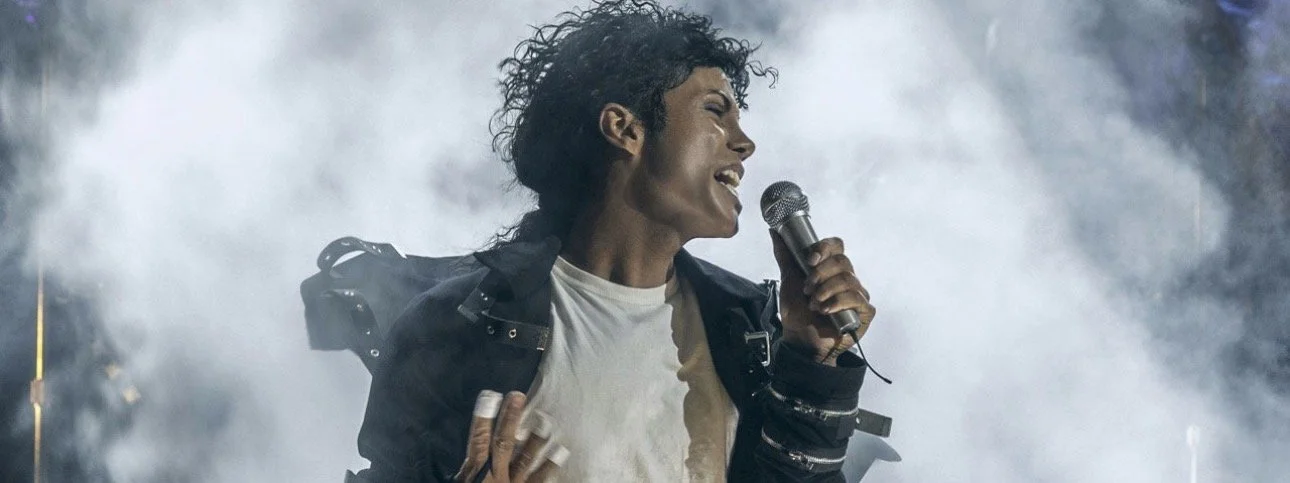


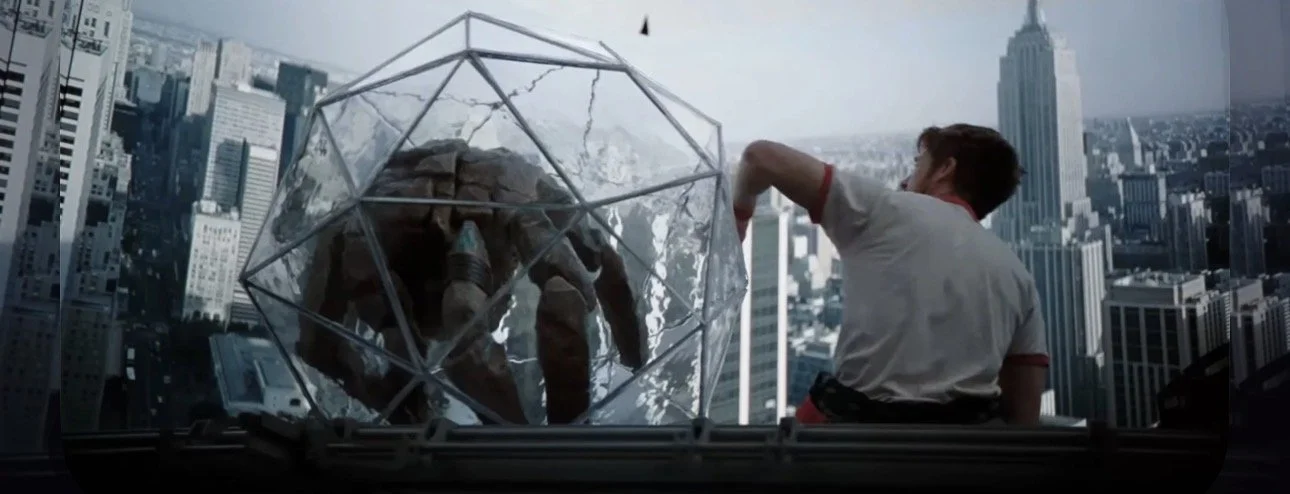
A Variety piece reports how “Project Hail Mary” is positioning its puppetry work—notably the character “Rocky”—as a serious awards-season contender. Not just that, after Academy discussions, James Ortiz is now eligible for supporting actor — Amazon/MGM plans on submitting him in the category. It’s certainly a curveball in the awards race, but can such a nontraditional performance actually get nominated?
Ortiz, a theater-based puppeteer who both performs and voices Rocky, will be campaigned not just as a technician but as a core creative performer whose on-set acting opposite Ryan Gosling shaped much of the film’s emotional tone.
Ortiz and his team performed the character live on set, often in complex multi-puppeteer setups, while visual effects were used mainly to remove puppeteers and refine the final image. This hybrid approach is being framed as part of a broader push in Hollywood toward recognizing “physical performance” work.
This could become a test case for expanding how awards bodies define “performance” in the era of hybrid practical-digital filmmaking.
Of course, in the past, there have been attempts to honor “expanded performance” around motion-capture and puppetry work — but they have never been fully recognized in acting categories. A frequently cited example is Andy Serkis, whose performance as Gollum in ‘The Lord of the Rings’ became iconic. He later wowed as Caesar in the ‘Planet of the Apes’ trilogy via full motion-capture.
Similarly, Zoe Saldaña’s work in ‘Avatar’ raised ongoing debate about whether performance-capture roles should compete in traditional acting categories. Her director, James Cameron, has consistently defended Saldaña’s work as Neytiri, arguing that it was every bit as valid and “award-worthy” as traditional live-action acting. In particular, he said that it “makes no sense” to him that she wasn’t recognized by the Academy, explaining that there is “nothing that Zoe’s doing that’s of a caliber less than” Oscar-nominated performances.
Taken together, these cases show that Ortiz’s “Rocky” campaign fits into a long-running debate in Hollywood about whether embodied performance—especially when split between human, puppet, and VFX—can be separated from “technical craft” for awards purposes. Later this year, we’ll find out how legitimate the Amazon/MGM’s Oscar push will be.

Peter Jackson is back. Twelve years after his last narrative feature, he's confirmed his next directing gig, and it's the ‘Tintin’ sequel that everyone had pretty much given up on.