


Continuing on with this series, here’s a look back at 1976, which stands as one of the defining years of the New Hollywood era—a moment when American cinema reached a kind of creative peak before the blockbuster model would soon take over.
This was a time when filmmakers were given unusual freedom, and the result was a wave of daring, personal, and politically charged films. The industry hadn’t yet fully shifted toward franchise thinking, and you can feel that openness in the sheer range of work being produced.
At the mainstream level, for better or worse, “Rocky” became the year’s defining crowd-pleaser. Made on a modest budget, it was a classic underdog story that struck a deep chord with audiences and went on to become a cultural phenomenon. Sylvester Stallone turned himself into a star overnight, and the film’s emotional sincerity helped it transcend its simplicity. The Academy embraced it too, awarding it Best Picture.
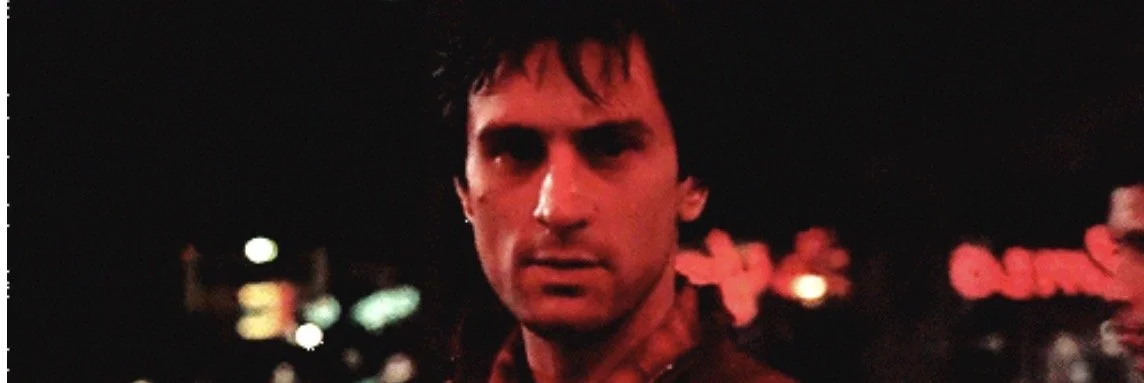
If “Rocky” represented the masses, then “Taxi Driver” represented something far more unsettling: a descent into urban alienation and psychological decay. Martin Scorsese’s haunting portrait of a disturbed mind, anchored by Robert De Niro’s iconic performance, remains one of the most disturbing character studies ever put to film. It’s the kind of movie that lingers—its imagery, its mood, its questions—long after it ends.
At the 1976 Cannes Film Festival, the Palme d’Or went to “Taxi Driver”—a choice that, unlike many years, has only grown more undeniable with time. Scorsese’s film wasn’t just the best of the year; it became one of the defining works of the decade.
Another film that truly defined 1976—its anger, its prophetic voice—is “Network.” Sidney Lumet didn’t just make a satire; he made a warning. A furious, almost prophetic vision of television as spectacle and manipulation, the film feels even more relevant now than it did then. “I’m mad as hell…” became a cultural wakeup call. The film’s dominance at the Oscars, particularly in the acting categories, only reinforced its impact.
Journalism also took center stage, albeit in more traditional fashion, with “All the President’s Men,” a procedural that turned Watergate into a Hollywood drama. Anchored by Dustin Hoffman and Robert Redford, it captured the paranoia of the era—less about spectacle than about process, and detail. Alan J. Pakula’s film basically wrote the blueprint for the next five decades of journalism movies.
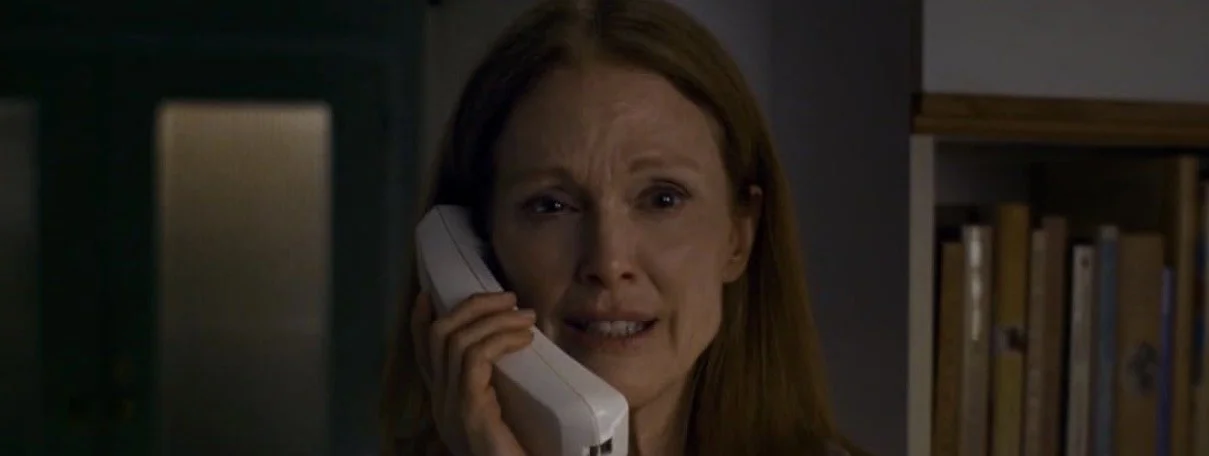
Horror, too, had a landmark year.” Carrie,” directed by Brian De Palma, blended psychological trauma with supernatural terror, culminating in one of the most unforgettablly jaw dropping climaxes in film. Meanwhile, “The Omen” leaned into pure dread, delivering a more classical but no less effective vision of evil.
The Western found new life in “The Outlaw Josey Wales,” with Clint Eastwood crafting a revisionist take that emphasized moral ambiguity over mythmaking. It’s one of his finest achievements—quiet, reflective, deeply human — and a foreshadowing of things to come as Eastwood would deliver his magnum opus, “Unforgiven,” 16 years later.
Elsewhere, “Cría cuervos” offered a haunting meditation on childhood and memory in post-Franco Spain, while François Truffaut’s “Small Change” captured the innocence and unpredictability of youth with warmth and subtlety.
However, one cannot overlook “Seven Beauties,” which reached international audiences in 1976 and became a landmark in its own right. Directed by Lina Wertmüller, it earned her a historic Best Director nomination—the first ever for a woman—and remains a daring, provocative blend of grotesque humor and wartime tragedy. A masterpiece.
And then there’s “Assault on Precinct 13,” John Carpenter’s lean, stripped-down siege thriller that feels like it was made outside the system entirely. Made on a shoestring budget, it’s all tension, rhythm, and atmosphere—borrowing from Howard Hawks and “Night of the Living Dead,” yet already showing Carpenter’s unmistakable voice. The minimalist score, the cold brutality—it’s a blueprint for so much genre filmmaking that would follow.
And then there was a farewell of sorts. Alfred Hitchcock released his final film, “Family Plot.” While often overlooked, and not as accomplished as his other late-career effort (“Frenzy”) it’s a genuinely good movie— a witty, and a fittingly playful curtain call from one of cinema’s greatest masters. Worth a look.
The Best Films of 1976
Taxi Driver
Network
Seven Beauties
Carrie
The Outlaw Josey Wales
Rocky
The Omen
Small Change
Assault on Precinct 13
Bound For Glory
Notable runners-up include—Cría cuervos, All the President’s Men, The Bad News Bears, In the Realm of the Senses, The Killing of a Chinese Bookie, Family Plot, The Front

Here's a small scoop for Sunday night. Nothing too exciting, since it concerns the once-promising Ben Wheatley, a filmmaker who broke out with the cult-horror gut-punch of "Kill List" and "A Field in England.”