


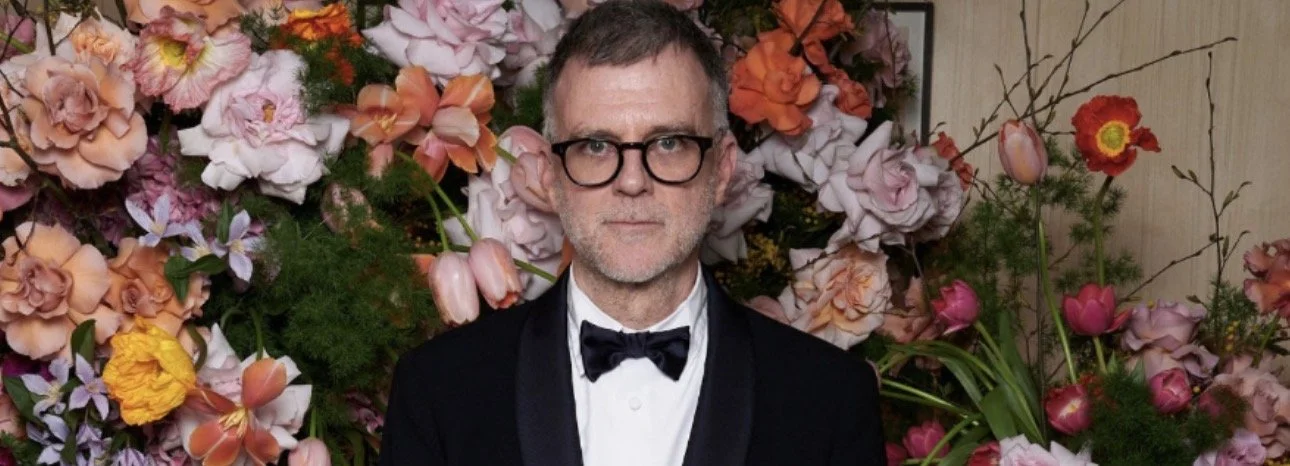
One week after filmmakers attempted to “stay out of politics” at the Berlin Film Festival, Paul Thomas Anderson faced his own line of questioning at the BAFTA press conference after winning the Best Director award on Sunday night. Asked whether he could speak about the current political situation, Anderson refused to make a statement, telling the press room: “I’ll ultimately fail here, in this situation.”
Where I have confidence that I won’t fail is by making a film. I have significantly more confidence in myself communicating my feelings about the world through the film, and I think that’s what we’ve done with this film. Trying to find intelligent things to say in this form wouldn’t be — I’m not a politician, but I’m a filmmaker, so [I] try to do it through the work.
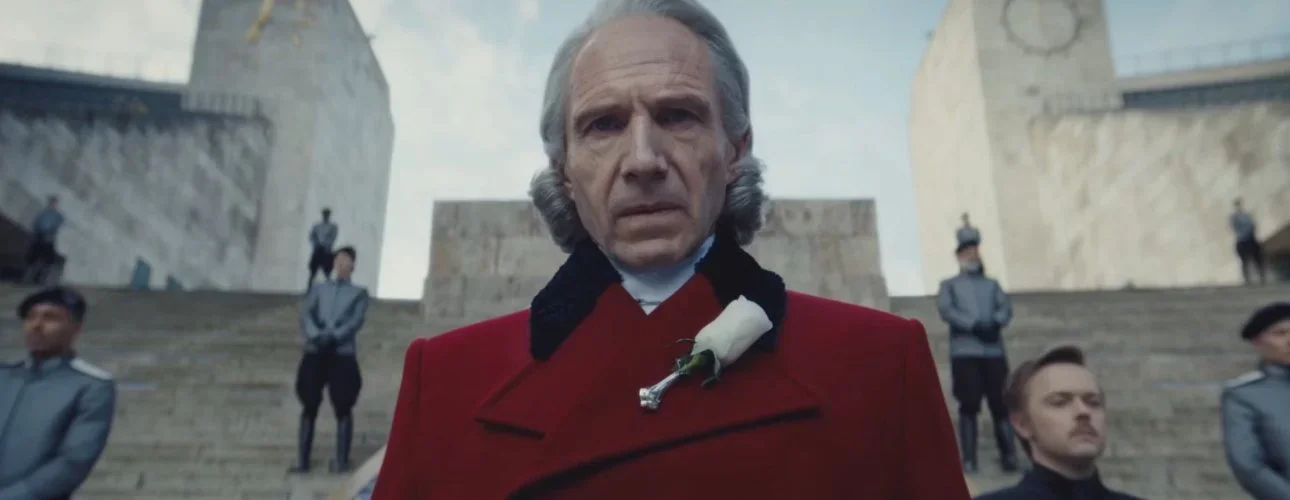
Countless people have pointed out the immediacy of “One Battle After Another,” particularly its depiction of ICE-like agents clashing with radical protestors. The film has created backlash among the US right wing, some of whom have accused it of being a “reckless ode to radical terrorism.”
I imagine the right will have an absolute field day the morning after ‘One Battle After Another’ wins the Best Picture Oscar. Should be fun.
Regardless, PTA and his “One Battle” stars have remained completely apolitical throughout the film’s marketing and awards campaign, a choice that was no doubt made by design. PTA’s comments regarding the origins of the film — which he has stated numerous times that he began writing right after 2007’s “There Will Be Blood,” and was preparing to shoot in and around 2020 before the pandemic halted those plans — also imply that it was not meant to parallel current Trump-era events.
Fact remains, PTA has rarely been publicly political, especially compared to many of his peers. Over the course of his 30-plus-year filmmaking career, he has consistently avoided making direct political statements in interviews, press conferences, and awards-season appearances, even when prompted. No activism, no campaigning: he has not publicly aligned himself with any political party, candidates, or movements, nor has he participated in major political campaigns or protests.
That said, after “One Battle After Another,” and without him having uttered a single politically motivated answer, in the hundreds of interviews he’s given since OBAA’s release, many have now aligned PTA with far left activism given the themes and characters of his film.
PTA’s publicly apolitical stance comes after the Berlin Film Festival, which saw creatives such as Wim Wenders, Ethan Hawke, Rupert Grint, and Neil Patrick Harris avoiding questions concerning ICE, Gaza, and other current issues. The media shouted uproar, but the festival itself defended the artists by releasing a statement: “artists should not be expected to speak on every political issue.”

Scarlett Johansson is the lead; she plays a detective who watches a serial killer's execution — only for his murder spree to continue in demonic fashion. “Exorcist: Martyrs” is set to hit theaters on March 12, 2027.