

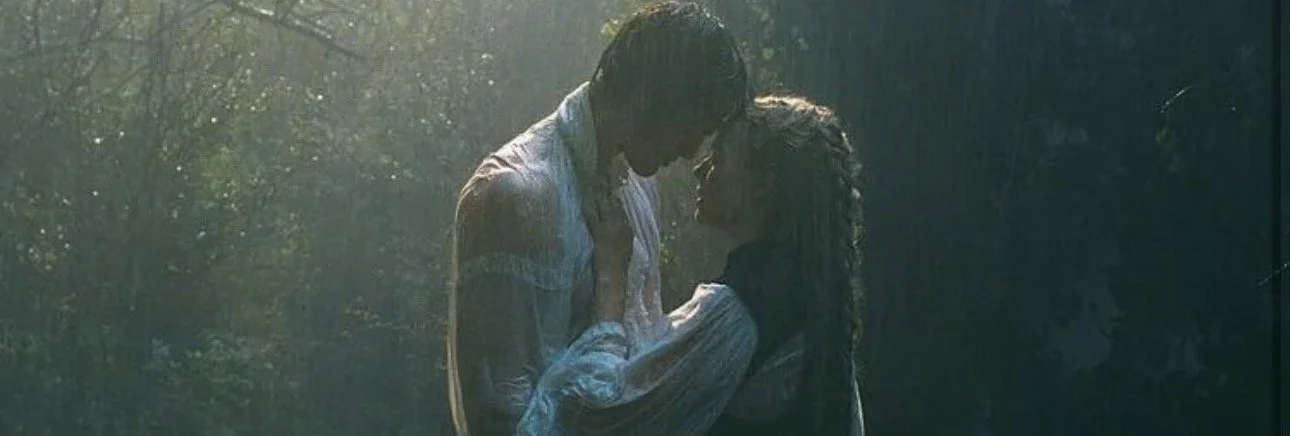
“Wuthering Heights” had a $37.5M opening weekend in the US, and that’s despite very mixed reviews coming its way. However, an insider report is raising eyebrows over the way Warner Bros. handled the film’s marketing.
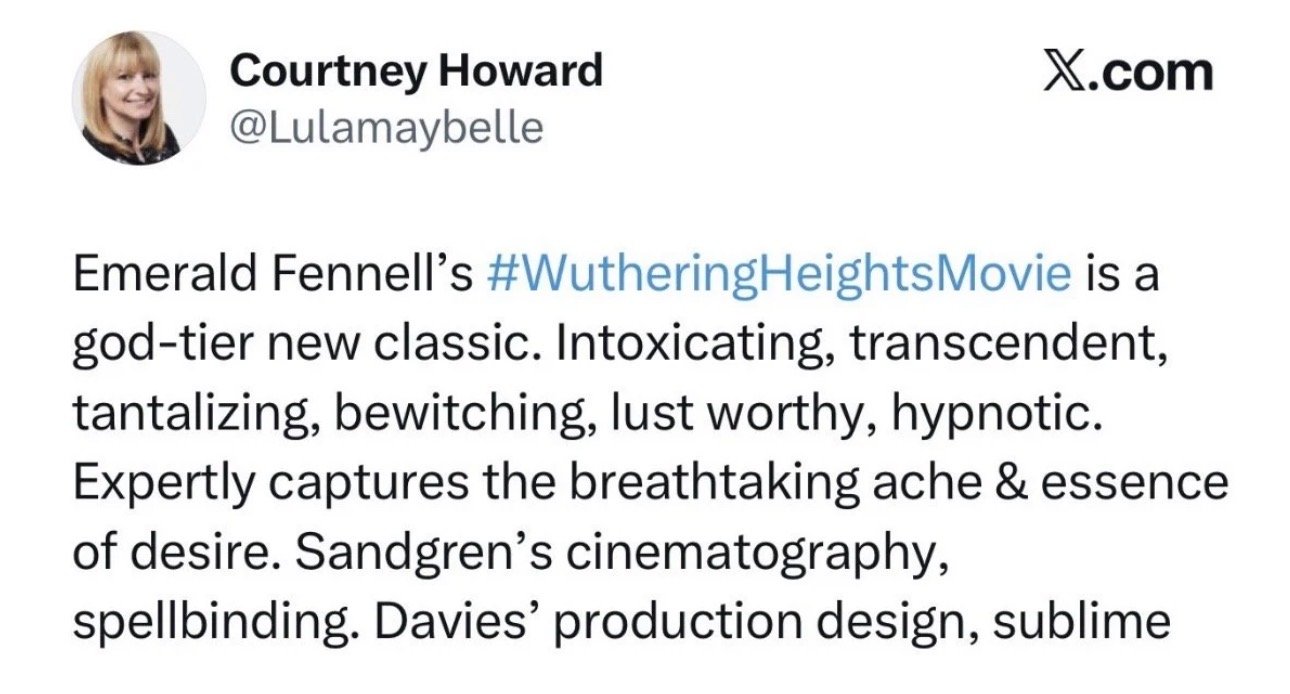
Remember when “Wuthering Heights” first screened and all those glowing early reactions flooded social media—with even one “critic” calling it a “God-tier classic”? It turns out that was a carefully calibrated mirage concocted by Warner Bros.
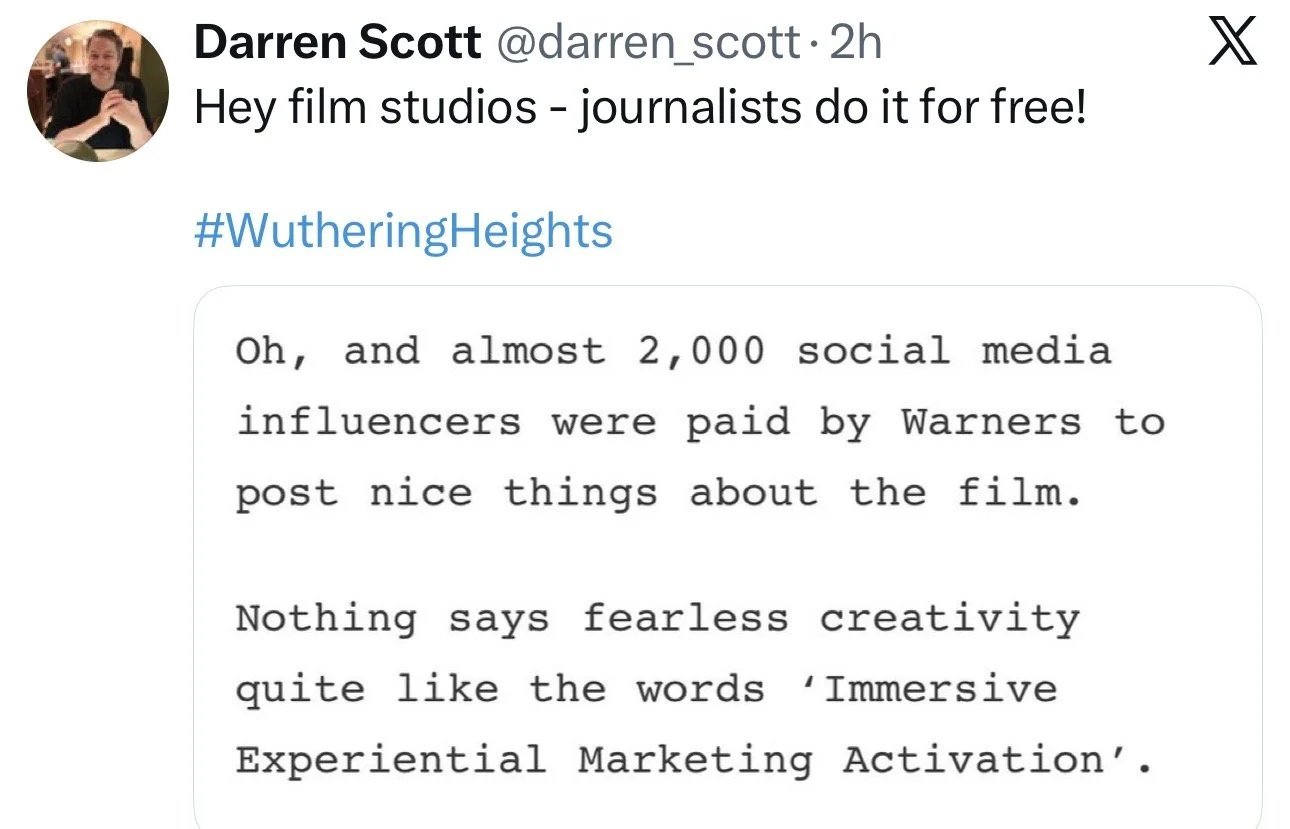
A report claims that “Wuthering Heights” had “one of the biggest global marketing juggernauts the world has ever seen.” Hyperbole? Maybe. But what do you make of the claim that “almost 2,000 social media influencers were paid by Warners to post nice things about the film”?
“Nothing says fearless creativity quite like the words “Immersive Experiential Marketing Activation.”
A 2023 Guardian piece titled “Who needs film critics when studios can be sure influencers will praise their films?” is still well worth a read, having raised the alarm over the growing presence of “influencers” at advance screenings and how this trend could spell the demise of film criticism.
Lazic expands on this topic by suggesting that this is a marketing strategy likely to be replicated more and more in the months and years to come:
The fact that the audience at this preview screening consisted mostly of influencers was another blatant marketing strategy, which would not have been as insulting were it not for the fact that it meant many film critics were unable to see the film before its release.
Warner Bros. pulled the same crap with “Barbie,” which did turn out well-reviewed, but also with many other recent titles. They hire influencers, quote whores, and people you’ve never heard of, seat them at advance screenings, and have them tweet glowing things about the film. I just never thought they were actually paying these influencers as well.
If pre-release film discussion is dominated by influencers chasing access and perks, what kind of film culture does that create? Where does thoughtful, challenging debate about cinema happen—and how can audiences think critically if all they’re hearing is marketing dressed up as opinion?

Scarlett Johansson is the lead; she plays a detective who watches a serial killer's execution — only for his murder spree to continue in demonic fashion. “Exorcist: Martyrs” is set to hit theaters on March 12, 2027.