
We’ve gone through the decades. The ‘40s ‘50s, ‘60s, ‘70s, ‘80s, ‘90s, ‘2000s, and ‘2010s. — all revisited, argued over, canonized. Poll after poll. List after list.
Now, as we await the next critics’ poll — which will focus on the 1930s — we find ourselves on the brink of a fascinating pivot point in film history: the decade that began the era of sound, and simultaneously buried silent cinema.
Yes, it’s that time of the year when I start polling critics again. What I find most interesting about the 1930s is that, unlike the ‘40s with “Citizen Kane,” or the ‘50s with “Vertigo,” there is no actual consensus pick to top the 1930s poll. What film will take it?
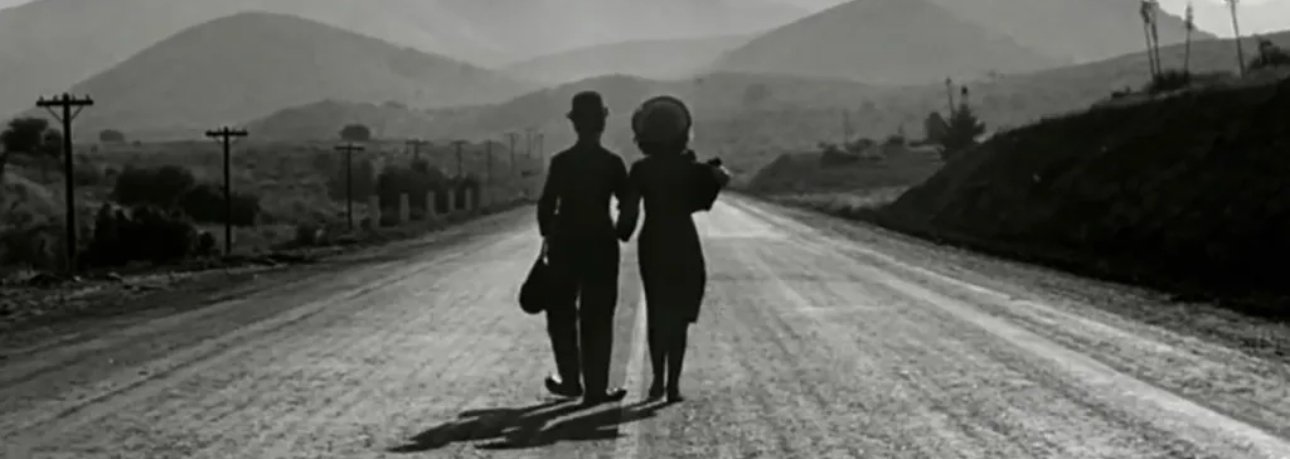
Some of the films I expect to do very well, and in contention for #1, include Jean Renoir’s “Rules of the Game,” and “La Grande Illusion,” Charlie Chaplin’s “City Lights,” and “Modern Times,” Fritz Lang’s “M,” Jean Vigo’s “L’Atlante,” Howard Hawks’ “Bringing Up Baby,” and Victor Fleming’s “The Wizard of Oz.”
The 1930s were a decade of reinvention in Hollywood. Filmmakers were suddenly forced to rethink the grammar of cinema — camera movement stalled, performances became stiffer, and visual experimentation took a back seat as the industry scrambled to master microphones and dialogue recording. Eventually, sound technology stabilized, directors began pushing form again — experimenting more and more.
Screwball comedies thrived, poetic realism emerged in France, German filmmakers broke through, and silent masters like Chaplin found ingenious ways to resist or reimagine sound. Meanwhile, the transition to sound hurt Buster Keaton.
I’ll be sending out the ballots to participants next week, but in the meantime, what’s your pick for the film that defined the ‘30s?

Skydance execs, who arrived on Tuesday at their new offices (formerly Warner Bros), opened the books and "were shocked to learn the extent of the loss" on "Digger.”