


The 2017 Oscars will forever be known as the moment when “La La Land” was mistakenly announced as the Best Picture victor over actual winner “Moonlight.” Did Barry Jenkins’ film deserve all the insane praise it received?
This year will mark the 10th anniversary of “Moonlight,” a film that was named the third-best of the 2010s in a poll of over 250 critics. The film certainly came out at the right time — just a year after the #OscarsSoWhite movement crashed Hollywood’s biggest night, and was released two weeks before Donald Trump would win the presidency.
“Moonlight” positioned Jenkins as Hollywood’s new “it” filmmaker. Having previously impressed with his atmospheric debut “Medicine for Melancholy,” he brought a similarly meticulous eye to “Moonlight.” In fact, Jenkins’ follow-up efforts, “If Beale Street Should Talk,” and (gulp) “Mufasa,” failed to fully capture the zeitgeist the same way.
Appearing on an episode of the “Jemele Hill Is Unbothered” podcast, Jenkins recalled the terrifying experience of having to deal with accepting the Oscar after the ‘La La’ blunder. However, more intriguingly, Jenkins’ biggest issue with the gaffe is that it kickstarted the narrative that “Moonlight” only won Best Picture because the Academy wanted to honor a Black film.
In a slightly sinister way, the fuck-up confirms or affirms some people’s unsavory thoughts about why the film was awarded Best Picture,” the filmmaker said. “If you did the blind taste test of films and wrote down all the accolades this film achieved that year, whether it be the ratings, the reviews, all of these things, [then ‘Moonlight’ wins]. If we were at the NFL Combine, and I tell you, ‘This player has these measures and was drafted number one,’ you wouldn’t doubt it at all. And yet, when you get into ‘Oh, it’s because it was the Black film’…it’s like no, motherfucker. We ran a [4.2 second 40-yard dash], and we ran it barefoot because we didn’t have the benefits of all that private school Academy training.
Back in 2017, Spike Lee told Variety that “Moonlight” won because “it was the Black film,” and because of an organizational need to push back against #OscarsSoWhite. Is it a coincidence that Jenkins’ film, about a gay black man, was praised to the high heavens by critics and won the Oscar for Best Picture not too long after the #OscarsSoWhite #BlackLivesMatter movements erupted? The zeitgeist opened up, and it was Jenkins’ for the taking, according to Lee.
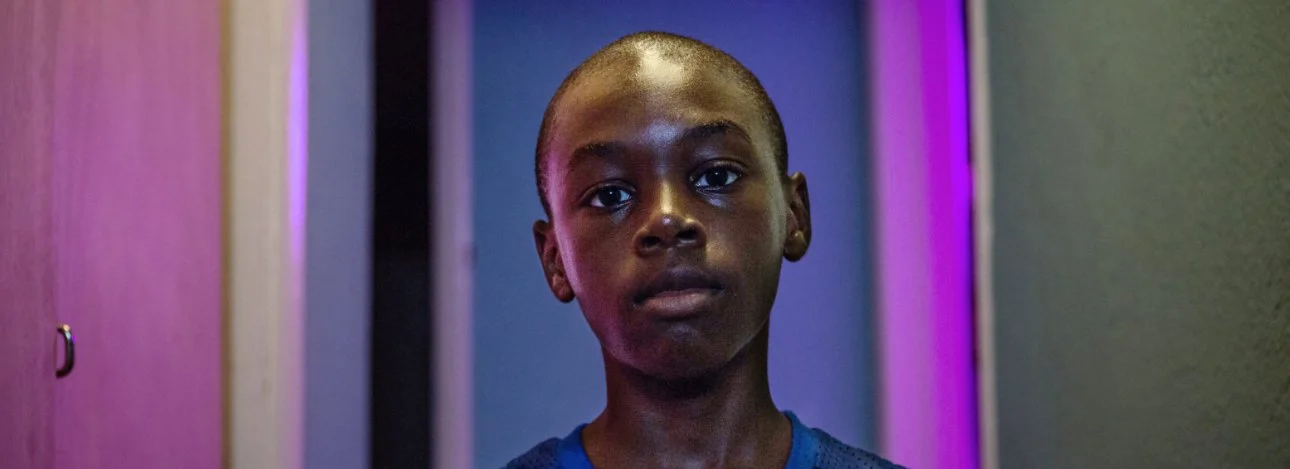
My own thoughts on “Moonlight” remain the same ten years later, after a few more rewatches: the first two acts of the film are powerful and uncompromising, giving insight into the story of a young, shy, Black kid searching for individual acceptance in a world where there is none to be found. Jenkins’ depiction of masculinity, vulnerability, and the African-American experience in these early acts is striking, revealing both societal pressures and personal longing through subtle, evocative storytelling.
However, this sets us up for a third act that fails to deliver on the promise built in the film’s first 70 or so minutes. Chiron’s transformation into a muscular drug dealer feels abrupt, and the transition from his youth to adulthood lacks the nuance of the earlier acts. Trevante Rhodes, while no doubt a capable actor, does not convincingly resemble the younger Chiron, and the narrative leap distances the audience from the character’s evolution. Scenes such as Chiron’s mother delivering a final, regretful monologue feel heavy-handed, and certain moments—including the diner reunion with Kevin—come across as overly on-the-nose gestures rather than organically earned storytelling.
After a handful of rewatches over the years, that final act always seems to undermine the tension and intimacy built in the first two sections. It’s also becoming more apparent to others, as I’ve noticed more and more people pointing out the flawed way “Moonlight” ends.
I’d be very curious to read your thoughts on this overpraised film, which hit the kind of acclaim few films have this century. I’m also going to insert a poll; a simple yes or no response will do, tackling how you feel about the film 10 years on.

Quentin Tarantino doesn't usually put modern-day filmmakers on his level. That’s just how he is. David Fincher seems to be the one exception.