

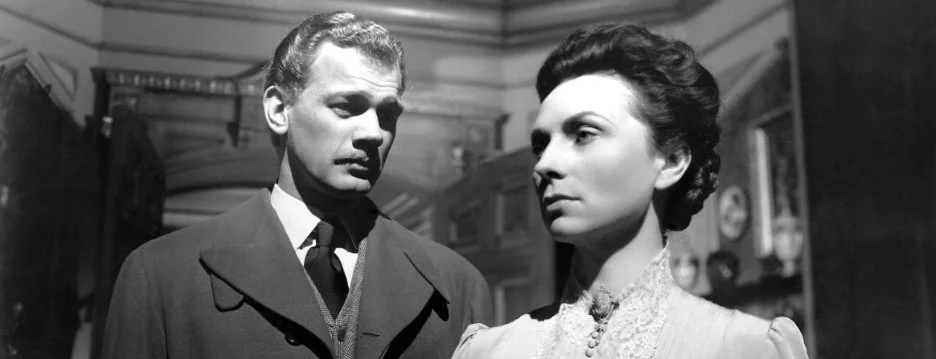
One of the great legends in movie history is the original, still unfound, cut of Orson Welles’ “The Magnificent Ambersons.” William Friedkin once called it the “holy grail of cinema.”
The story goes that during editing, RKO, with the help of filmmaker Robert Wise, re-edited the film from 131 minutes to 88 minutes, adding a “happy ending” and destroying Welles’ original vision of the film.
Now, here comes a twist to this story. Amazon-backed Showrunner announced Friday that it is developing an AI model capable of generating long-form narratives, ultimately eyeing feature-length live-action films. Its first major test: reconstructing the infamous 43 minutes cut from Welles’ “The Magnificent Ambersons.”
Showrunner wants to use a mix of AI, archival material, and live-action shooting to bring those missing reels back. Filmmaker Brian Rose has spent five years digitally rebuilding sets and framing based on 30,000 missing frames. Showrunner plans to layer in AI face and pose transfers to replicate the original cast, with VFX veteran Tom Clive (ex-Metaphysic) joining the effort.
Meanwhile, archivist Joshua Grossberg continues his obsessive search for the lost cut. He has gone through archives, interviewed collectors, and been led to various locations. There have been hints and clues that Welles’ original cut does, in fact, exist. Over the years, Grossberg and his team have searched across the vast landscapes of Brazil to find a copy of the lost cut of Welles’ film. Nothing has materialized so far.
Welles’ original notes for how he wished the film to be cut have survived. The extra footage that was left on the cutting room floor has, supposedly, been destroyed. However, some don’t believe it, and the more I read about it, the more I’m convinced that it might still be out there somewhere.
The story goes that Welles received a print of Ambersons to edit in Brazil while shooting the ill-fated It’s All True. According to RKO memos, two groupings of Ambersons footage (14 reels and another 10) were shipped to Brazil so Welles could finish editing the film.
Filmmaker Brian Rose told The Guardian that “The few who saw Welles’ original version believed it was the greatest film they had ever seen.”
Yet, despite Welles’ original vision being destroyed by RKO, the truncated version of the film was included in Sight and Sound’s 1972 list of the top 10 greatest films ever made, and again in the 1982 list. It placed 81st in the 2012 poll and did not make the top 100 in 2022’s revamped edition.

Edward Berger seems to have settled on what comes next. His Lance Armstrong biopic, starring Austin Butler, is now holding casting calls, with production eyed for January.