

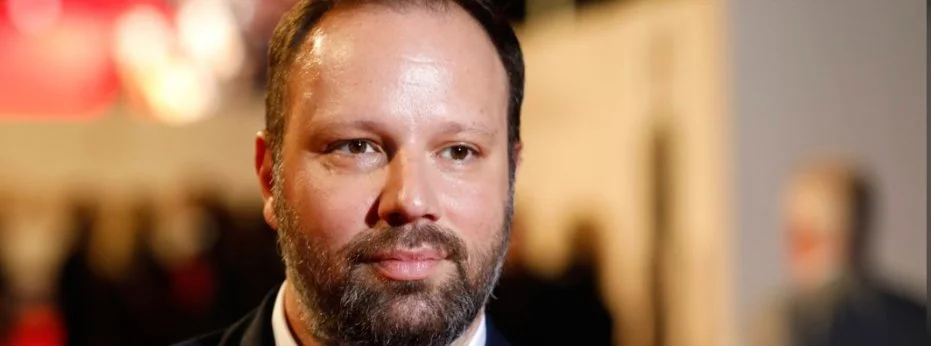
People tend to forget that after 2018’s “The Favourite,” Yorgos Lanthimos took a deliberate five-year break from filmmaking. He relocated from Greece to Los Angeles, spending that time doing extensive prep work for three specific projects.
The result is that Lanthimos returned from his hiatus only to release three films over these past three years: “Poor Things,” “Kinds of Kindness,” and “Bugonia.” The guy must be zonked—and if his recent comments are any indication, he’s about to take a much-needed break from filmmaking.
In a new interview, when asked by Collider how he manages to keep working at the pace he has maintained over these last few years, Lanthimos admitted that he’s officially run out of gas and needs to take a step back.
Well, I can’t keep doing that anymore. That’s what I’m certain of right now. It’s a big mistake. I think I need a break. I’ve said that before in between the other three, but I’m serious now. You can hold me to it. I’m going to take a little break […] you find the will and the strength, but at some point, it runs out. We’re at that point.
Listen, I’ve been an admirer of Lanthimos’ ever since I saw “Dogtooth” in 2009. He’s made a handful of strong films since then, but his latest, “Bugonia,” which hits theaters on Friday, is—while worth seeing—one of his weaker efforts. Maybe it’s time for a break. There’s nothing wrong with that.
As far as we know, he has two projects in development that he can return to whenever he feels recharged and ready to go: an adaptation of Ottessa Moshfegh’s provocative novel “My Year of Rest and Relaxation,” and Jean-Patrick Manchette’s short novel “Fatale,” about a female assassin.
Lanthimos’ last four films starred Emma Stone and were shot by cinematographer Robbie Ryan. Together, they’ve developed a deeply ingrained and distinctive visual style, characterized by the consistent use of fisheye lenses and a fluid, roving camera.
What’s been persistent in all of Lanthimos’ work over the past two decades is how he’s taken the iconoclasm of Buñuel’s cinema and infused it with a Kubrickian detachment—a total dis-empathy toward character that the Greek auteur consistently strives for. In the process, he’s created a voice entirely his own.

Edward Berger seems to have settled on what comes next. His Lance Armstrong biopic, starring Austin Butler, is now holding casting calls, with production eyed for January.