

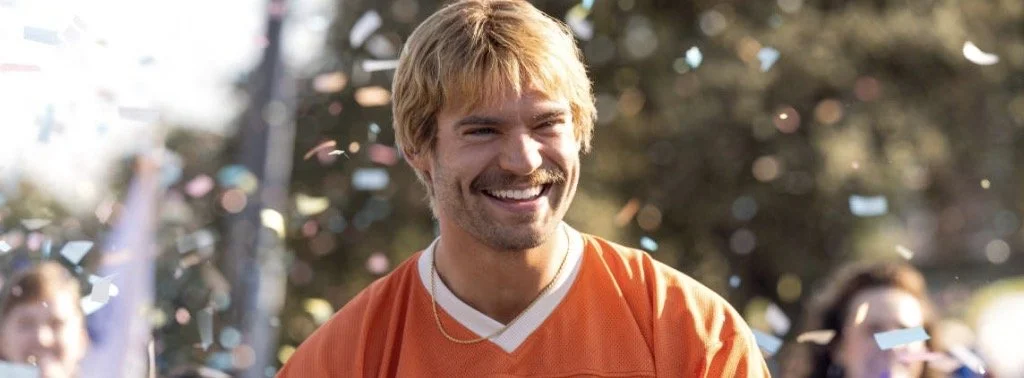



A new Variety report highlights what anyone paying attention to the box office this fall already knows: original, adult-skewing films are struggling to find audiences in theaters.
“Roofman” opened to a measly $8M, “The Smashing Machine” has crawled its way to $10M, and “Kiss of the Spider Woman,” a $34M+ Jennifer Lopez musical, barely made a sound with an $850K debut. However, the real lightning rod in this conversation is Paul Thomas Anderson’s “One Battle After Another.”
The film — led by Leonardo DiCaprio and described by Variety as “a generational masterpiece” — has become the ultimate Rorschach test of what success in 2025 looks like. Critically? It’s the most acclaimed release of the year. Financially? A nightmare. It stands to lose over $100M, according to Variety.
That’s because Warner Bros. spent more than $130 million on production and $70 million on promotional efforts, and ticket sales are typically split 50-50 between studios and theater operators. Meanwhile DiCaprio typically gets first-dollar gross on his movies, meaning he gets a percentage of box office revenues before the studio recoups any costs.
I’ve seen PTA’s film three times now. The brilliant scenes stand out even more, while the flaws — those weed-growing nuns — have become more apparent. Still, it’s unquestionably one of the best major studio films of the year. Oscar-wise, it’s a juggernaut. The nomination tally could land anywhere between 10 and 12 nods, with a very real shot at major wins on Oscar night. But in Hollywood math, prestige doesn’t pay the bills.
I get it — “One Battle After Another” is a tough film to describe, and I can only imagine the herculean effort it took to craft a trailer that could actually sell it to the masses. But we’ve sadly reached the point where a Best Film of the Year contender, playing on 3,500+ screens nationwide and starring Leonardo DiCaprio, is still going to lose a studio $100M.
What’s really happening is that studios have trained audiences to wait. The COVID-era shift from 90-day theatrical windows to just a few weeks has fundamentally rewired habits. “People have come to expect these movies to be available in the home much sooner than they used to be,” cinema owner Mark O’Meara tells Variety. That conditioning has gutted the legs of highbrow films like PTA’s latest.
The real miracle here isn’t that the film flopped financially. It’s that Warner Bros. actually gave Paul Thomas Anderson the resources to make something this ambitious, strange, and unapologetically his. “One Battle After Another” could very well endure as a work of art, and if its reputation holds, will likely outlive box-office infamy.
However, within the modern studio system, that doesn’t change the bottom line: by Hollywood standards, it’s a bomb. A brilliant, towering, once-in-a-generation bomb.

Paul Greengrass’ "The Uprising," starring Andrew Garfield, opened to $3.2M from 2,068 theaters this weekend. Yikes. The budget hasn’t been disclosed, but is said to be in the $20-$30M range.