

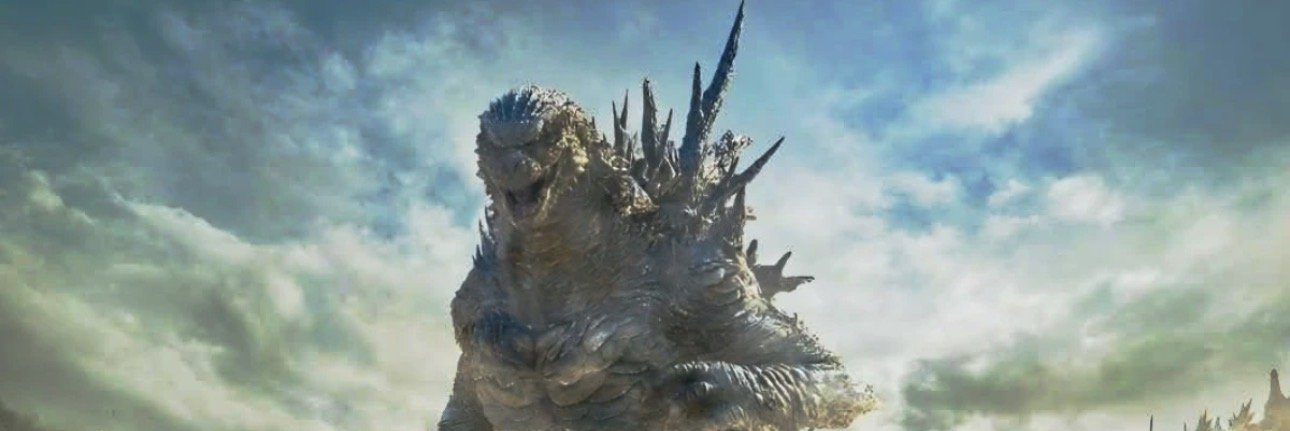
This one caught me off guard. Takashi Yamazaki's "Godzilla Minus Zero" has officially been rated R, making it the first "Godzilla" movie in the franchise's 70-plus-year history to land the mature rating in the West.
The MPA gave it the R for "some violent content/bloody image." That's a pretty vague description, and until we actually see the film, it's hard to say just how far Yamazaki pushes things. Still, it was enough to tip it past PG-13, which suggests we could be getting more explicit violence than we saw in ‘Minus One.’
The Japanese ‘Godzilla’ movies have traditionally stayed in family-friendly territory. The last five Hollywood ones kept things broad with PG ratings, and for obvious reasons: there are toys and merch to sell. An R-rated Godzilla goes against decades of how this franchise has been marketed.
Hopefully, the rating isn't some gimmick and serves the story. ‘Minus One’ was at its best when the monster showed up — If Yamazaki is going darker to make that cost hit harder, I'm all in. We'll know soon enough.
Here's Toho's official synopsis:
"Godzilla Minus Zero" picks up in 1949, two years after the tumultuous events of "Godzilla Minus One," and continues the story of the Shikishima family as they face an all-new calamity. An experience that demands the big screen, featuring more astounding effects choreography than its predecessor, "Godzilla Minus Zero" cranks up the terror while always keeping its post-WWII Japan narrative at human eye level.
"Godzilla Minus One" was one of the great underdog stories of recent years. Yamazaki and his VFX team made a jaw-dropping spectacle on a shoestring budget and then beat movies costing $200M+ to win the Oscar for Best Visual Effects.
"Godzilla Minus Zero" will have its world premiere at the New York Film Festival this Saturday, September 26, before opening in U.S. theaters on November 6. It's also the first Japanese production shot exclusively for IMAX.

Linklater has been planning a film about the transcendentalists, the "first hippies," a literary movement that included Margaret Fuller, Ralph Waldo Emerson, and Henry David Thoreau.