
The Criterion Collection’s November lineup is stacked, arriving alongside Barnes & Noble’s biannual sale with long-awaited titles, deep cuts, 4K upgrades, and a Criterion Premiere.
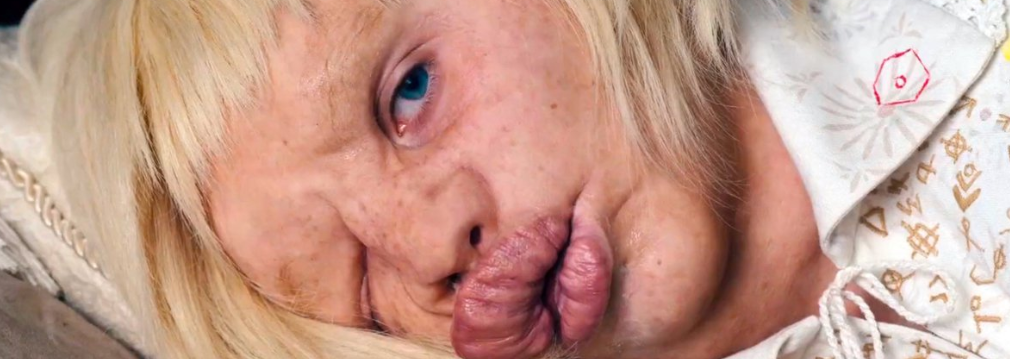
Highlights include 4K editions of David Lynch’s “Wild at Heart”—with 90 minutes of previously hard-to-find deleted scenes—and Sofia Coppola’s “Marie Antoinette,” plus new additions like Philip Kaufman’s “The Right Stuff” and, yes, “KPop Demon Hunters.” Criterion is also upgrading François Truffaut’s “Shoot the Piano Player” and Hal Ashby’s “Harold and Maude” to 4K.
It’s hard to believe, but Coppola’s “Marie Antoinette” was met with boos at its Cannes premiere in May 2006. The film also received mixed reviews from critics and remains “rotten” on Rotten Tomatoes, with a 58% score.
Critics were initially annoyed by the film’s loose treatment of real historical events and figures, as well as Coppola’s decision to drop indie rock songs into its period setting. I found the latter to be an inspired creative choice. There’s nothing boring about this film, which is Coppola at her best.
In the years since, the film has undergone something of a critical reappraisal and developed a cult following in certain circles. Reflecting on the legacy of the film, which starred Kirsten Dunst as the French queen, Coppola tells Vanity Fair she’s been humbled by the second chance it has received.
I’m always happy that I get to make what I want to make. I was happy we got to make that movie, but nobody saw it […] It was a flop. So the fact that it’s lived on and people talk about it has been really satisfying because so much work went into it. It makes me happy that now it’s kind of found its way and people enjoy it.
“Marie Antoinette” was Coppola’s follow-up to her 2003 critical darling “Lost in Translation,” so expectations were understandably sky-high. Nearly two decades later, those two films, along with “The Virgin Suicides,” are often regarded as the three best films of her career.
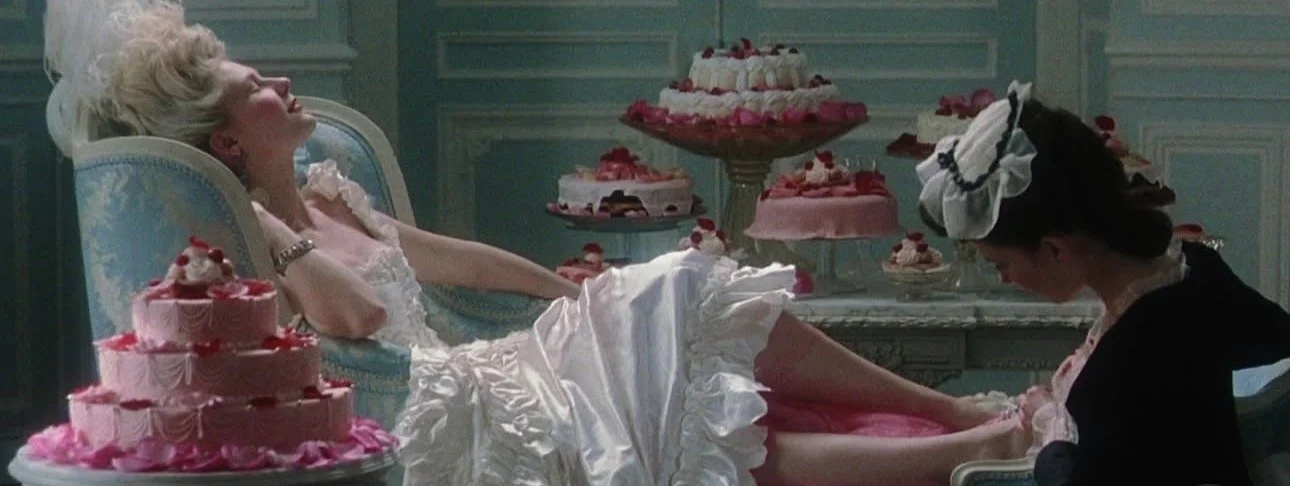
The film shouldn’t be viewed as a conventional historical drama, but rather as an intimate portrait of female loneliness. Dunst is pitch-perfect in the title role, playing Marie as a spirited 14-year-old girl brought to Versailles, married to the sexually passive Louis XVI (Jason Schwartzman), and trapped inside a rigid space that offers her little freedom.
I love how Coppola largely ignores the political realities outside Versailles. The palace becomes a sealed-off world of eye candy and excess. At the time, I wondered why the film didn’t dwell on Marie’s eventual execution, but now I like the decision. The guillotine was beside the point of what Coppola was trying to convey. This isn’t a film concerned with historical detail so much as the experience of a young girl caught inside a world she never chose. Marie is presented not as a queen or political figure, but as a 14-year-old taken from her home, stripped and inspected before being handed over as property.
If you haven’t seen “Marie Antoinette,” now is the time to be swept up in its sumptuous world. It’s as much about atmosphere as it is a tragic portrait of someone swept up by events far beyond her control. And, perhaps, it becomes more affecting, rather than less, the more you know about the real woman behind it.

The “Miami Vice '85” cast keeps growing. Andrew Schulz has boarded Joseph Kosinski's big-screen reboot for Universal, per Deadline, joining leads Michael B. Jordan and Austin Butler.