


Cue the ragebait — which is precisely what IndieWire intended when putting together their list of the 100 Best Sequels Ever Made, published this morning.
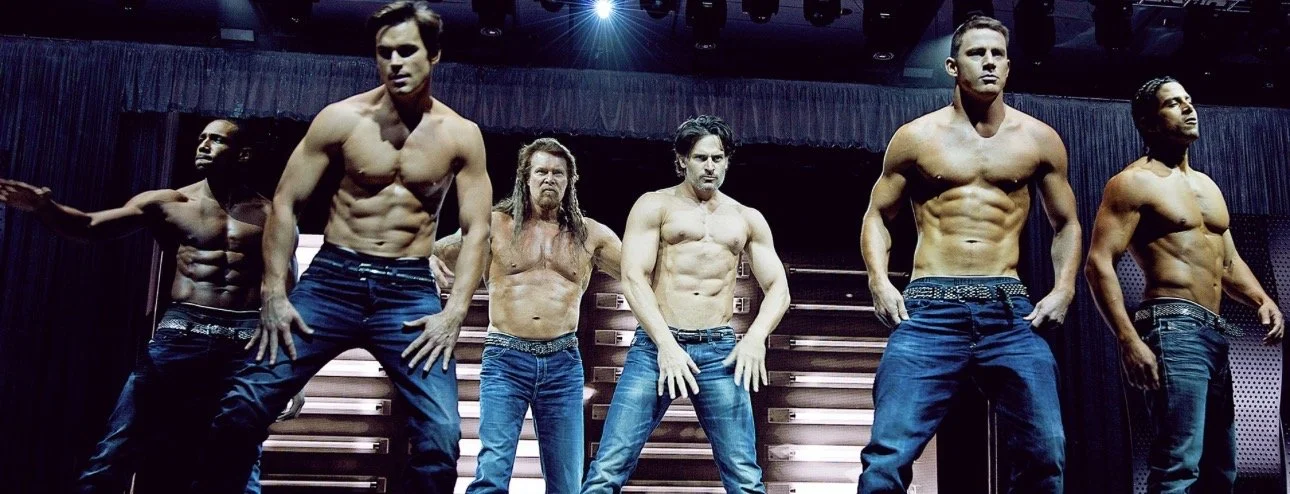
In what world is Gregory Jacobs’ “Magic Mike XXL” better than “The Godfather Part II”? Calling it one of the greatest sequels ever made, and placing it alongside “The Empire Strikes Back,” “Aliens,” “T2,” and “Fury Road” requires a more convincing argument than simply pointing out that it does something different from its predecessor.
The problem isn’t that “Magic Mike XXL” is a bad movie. It’s actually a charming and unusually warm sequel that takes the story in a more playful direction. Yet when the film is ranked alongside some of the most influential and accomplished sequels in cinema history, the burden is on the list to explain what makes it exceptional on that level.
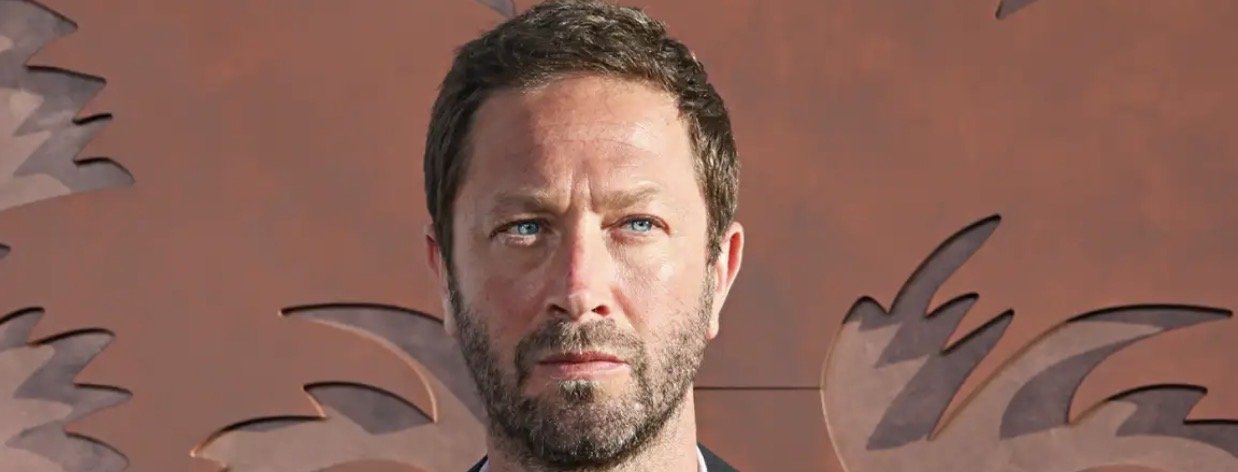
That task has been left to IndieWire critic David Ehrlich, a “Magic Mike XXL” superfan, who fails to really establish why it belongs among the greatest sequels of all time. Most of the praise — “ecstatic,” “unbridled masterpiece,” “uncut joy” — is unconvincing. That may explain why Ehrlich loves the film, but it doesn’t really convince us of its lasting cultural or historical significance, which the film doesn’t have much of.
So, who are we really kidding here? The placement is purposely provocative. It’s one thing to champion an underrated or unconventional sequel, but putting it in this company seems designed to make people stop, rage, and — most importantly — share the list.
So, no need for you to share. Here’s the top 50.
Magic Mike XXL (Gregory Jacobs)
The Godfather: Part II (Francis Ford Coppola)
2046 (Wong Kar Wai)
The World of Apu (Satyajit Ray)
Dawn of the Dead (George Romero)
Through the Olive Trees (Abbas Kiarostami)
Mad Max: Fury Road (George Miller)
The Look of Silence (Joshua Oppenheimer)
Paddington 2 (Paul King)
Aliens (James Cameron)
Bride of Frankenstein (James Whale)
The Empire Strikes Back (Irvin Kershner)
Before Sunset (Richard Linklater)
Three Colors: Red (Krzysztof Kieslowski)
T2: Judgment Day (James Cameron)
Mission: Impossible Fallout (Christopher McQuarrie)
The Souvenir: Part II (Joanna Hogg)
Twin Peaks: Fire Walk With Me (David Lynch)
Star Wars: The Last Jedi (Rian Johnson)
The Testament of Dr. Mabuse (Fritz Lang)
Spider-Man 2 (Sam Raimi)
The Return of the King (Peter Jackson)
Sanjuro (Akira Kurosawa)
The Wayward Cloud (Tsai Ming-liang)
Indiana Jones and the Last Crusade (Steven Spielberg)
Supercop (Stanley Tong)
Ivan the Terrible Part II (Sergei Eisenstein)
35 Up (Michael Apted)
Dracula’s Daughter (Lambert Hillyer)
Stolen Kisses (François Truffaut)
Ocean’s Twelve (Steven Soderbergh)
The Road Warrior (George Miller)
For a Few Dollars More (Sergio Leone)
Toy Story 2 (John Lasseter)
Before Midnight (Richard Linklater)
After the Thin Man (W.S. Van Dyke)
Quatermass and the Pit (Roy Ward Baker)
The Dark Knight (Christopher Nolan)
The Decline of Western Civilization Part II (Penelope Spheeris)
The Color of Money (Martin Scorsese)
The Wrath of Khan (Nicholas Meyer)
Creed (Ryan Coogler)
Triad Election (Johnnie To)
Evil Under the Sun (Guy Hamilton)
Swordsman II (Ching Siu-tung)
Babe: Pig in the City (George Miller)
Avatar: The Way of Water (James Cameron)
Gremlins 2: The New Batch (Joe Dante)
The Revenge of Frankenstein (Terence Fisher)
The Matrix Resurrections (Lana Wachowski)
The other big issue I have with this list is that the definition of a sequel seems to change from film to film. The idea of a sequel as a film that goes back to an existing world and does something new with it is a good one, but it isn’t applied consistently here. Some of these feel like they’re on the list simply because they’re great films connected to an earlier work; “Red,” “Through the Olive Trees,” and “The Look of Silence” are the obvious examples. I really like all these films, but are they really sequels?

Mukdeeprom is well known on the arthouse circuit for his work with Apichatpong Weerasethakul (“Memoria”), and he also shot three Guadagnino movies.