




Picking apart movies is a big part of film criticism.
When you watch hundreds of new releases a year, your taste gets refined, you start noticing more patterns, the flaws become more apparent, and you can start to differentiate the genuinely great films from the ones that are simply going through the motions. After a while, you become more sensitive to recycled ideas, familiar plot beats, lazy writing, and filmmaking shortcuts that might not stand out to a more casual viewer.
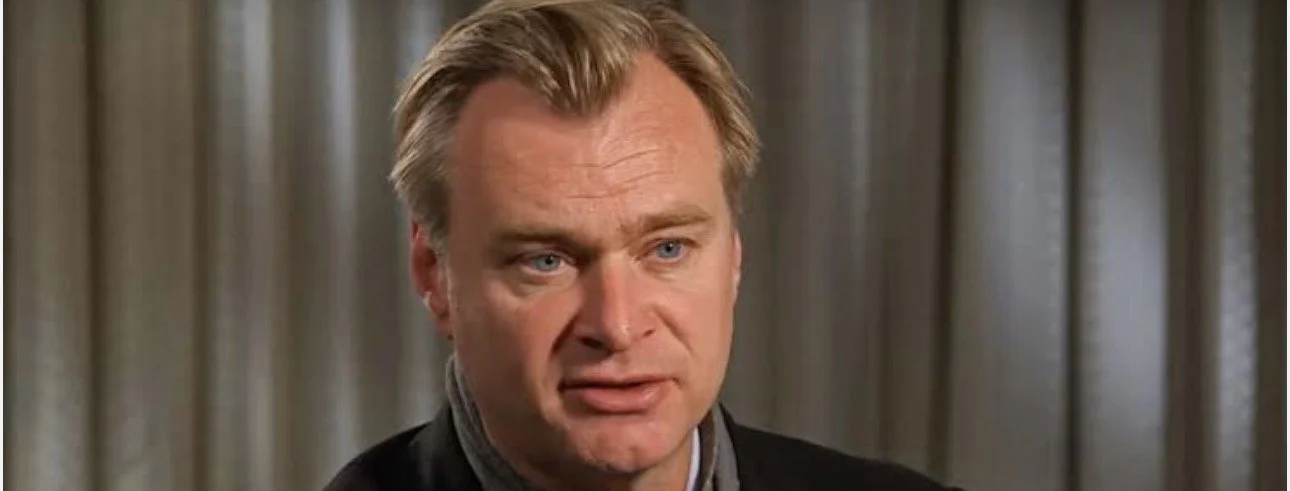
One common complaint from film critics is that movies rely too much on familiar formulas. Christopher Nolan thinks that’s nitpicking too much and missing the point of storytelling.
In a recent interview in China with BiliBili (via Nichole), Nolan says critics’ nitpicking has become an issue.
That’s a fundamental flaw of film criticism because to be able to identify the mechanism does not invalidate the mechanism. And that's a real problem in criticism today because people have this idea that because I can understand why the story affects me the way it is, therefore, it didn't work. That's not how storytelling works. So when we create a heroic figure in a story as storytellers, we have to be mindful of the energy that the audience brings to that story and the interaction between our intention and the way the audience receives that. And the fact that that mechanism is identifiable to people doesn't invalidate it.
Nolan is pressed further by the interviewer about his criticism of film critics, prompting him to expand on his thoughts:
That’s a real problem with criticism today: people have this idea that because I can understand why the story effects me the way it is, therefore it didn’t work – that’s not how storytelling works [..] because they feel they’ve identified the mechanism, they feel that it invalidates it. That could be true of certain elements, and film language evolves with that, so when a trope becomes too familiar to an audience, then it has to be changed.
So, Nolan is saying that just because you can see how a movie is trying to make you feel something, that doesn’t mean it isn’t working. You can recognize that a movie is building up to a big emotional moment and still get emotional when it happens. He’s saying some critics act like once they figure out the “trick” behind a movie, it automatically makes the movie bad, but that’s not really how storytelling works.
The only time a technique becomes a problem is when you’ve seen it so many times that it becomes predictable and stops having the same effect.
Now, I think Nolan is only half right here. Sure, figuring out how a movie is manipulating your emotions doesn’t automatically mean the movie has failed. But that doesn’t mean critics should just shrug off familiar formulas either. There’s a big difference between understanding why something works and pretending that originality doesn’t matter.
Sometimes spotting the “mechanism” is exactly what exposes how little a filmmaker is actually bringing to the table. And Nolan himself admits that once a trope becomes too familiar, it stops working and needs to evolve. So why dismiss critics for pointing that out? Calling it “nitpicking” feels a little too convenient.

I actually find that number optimistic. Tickets for “Digger” go on sale next Tuesday, and presales will give us a better picture of how bad it’s looking.