
UPDATE: A source with knowledge of the situation tells me Paramount’s ‘Elm Street’ is not a shot-for-shot remake, but rather is only “set in the world” of the 1984 original.
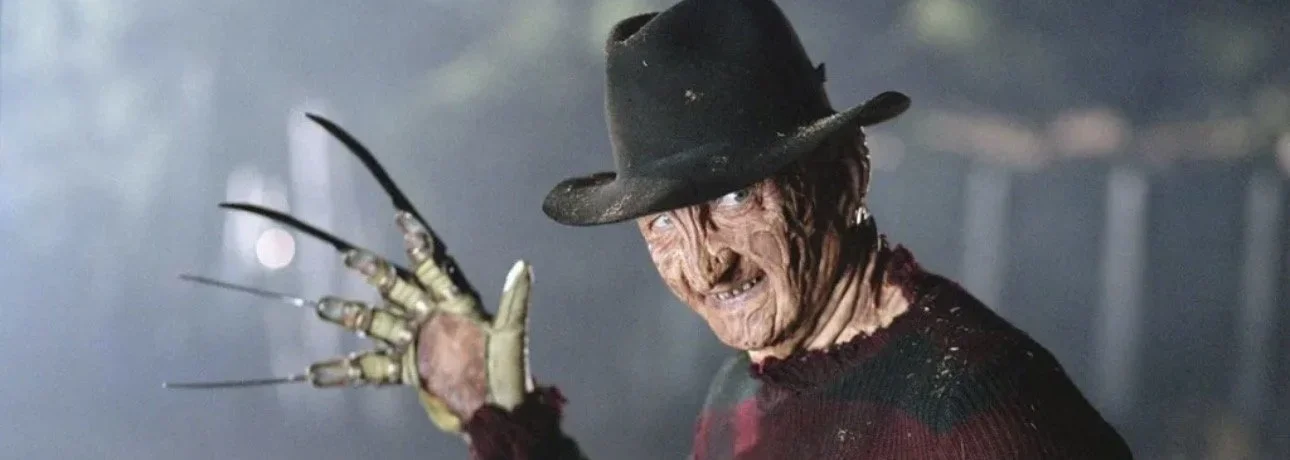
EARLIER: Two weeks ago, we got word that Paramount was planning to reboot “A Nightmare on Elm Street.” Freddy Krueger would be back under a new studio, with the project described as being set in the world of the original film while drawing from Craven’s screenplay.
It now turns out that Paramount is caught in an unexpected battle with Warner Bros., who are also planning to remake “A Nightmare on Elm Street,” with both studios racing to get their respective projects made before the proposed Warner Bros.–Paramount merger closes.
You can’t make this up. The unusual situation is due to a split in the franchise’s rights: Paramount owns the domestic (U.S.) rights, while Warner Bros. holds the international rights, creating a rare loophole that allows both studios to make separate versions of the same IP.
According to Puck, Paramount believed that by the time its remake was ready, the merger with Warner Bros. would have already been completed. However, Warner film chiefs Michael De Luca and Pam Abdy are unwilling to wait. Instead, they have decided to develop their own version, which they could release internationally, and are reportedly in talks with “Evil Dead Rise” director Lee Cronin to write, produce, and direct the project. Paramount, meanwhile, has yet to find a director but is currently meeting with filmmakers.
In case you still believed De Luca and Abdy might keep their jobs by the time Ellison moves in, this should put any doubts to rest.
Now, Paramount’s “Elm Street” has the good fortune of being blessed by Wes Craven’s estate. Craven’s widow and son are producing alongside attorney Marc Toberoff, giving the project credibility with longtime fans. Warner Bros. also attempted to work with the estate but reportedly could not agree on a deal—yet they are still moving forward with their own take, which, again, would not be able to release in the U.S., only internationally.
Furthermore, the two projects are expected to take very different creative approaches.
Paramount’s agreement limits them to producing a shot-for-shot remake of the original film. Warner Bros., by contrast, appears to be pursuing a fresh reimagining under Cronin, with a more distinct creative vision.
Both studios believe that getting their film into production first could force the other to reconsider or abandon its plans. Paramount is confident that a modestly budgeted U.S.-only release could still earn at least $70 million domestically, while Warner executives reportedly question the commercial appeal of a near-identical remake. Is it even worth it for them if U.S. audiences are shut out? Apparently so.

Still no distributor for "Bucking Fastard," "Alpha Gang," "The Last Photograph," "Closing Night," and "The Life and Deaths of Wilson Shedd." The issue seems to be quality more than a lack of willingness to buy.