


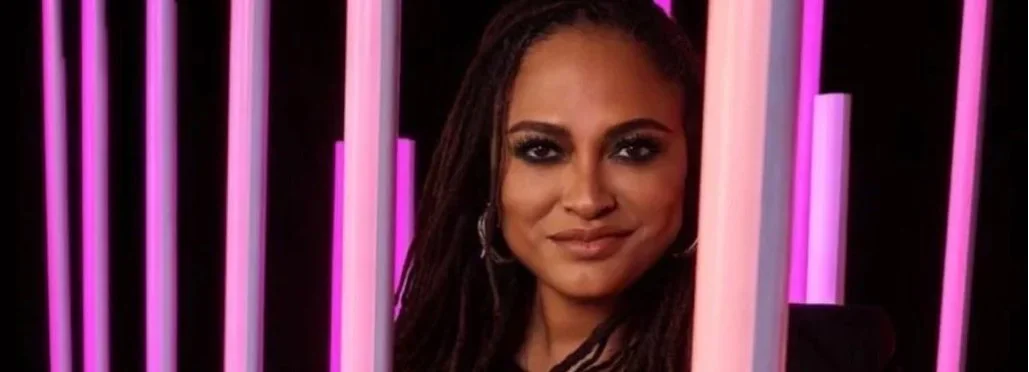
Ten years ago, Ava DuVernay’s Oscar-nominated documentary “13th” debuted on Netflix, and now the filmmaker has decided to make a sequel.
The film obviously revolves around the Equal Protection and Citizenship Clauses of the 14th Amendment. “14th” has been quietly in production for well over a year now.
According to Deadline, DuVernay’s “14th” will debut on Netflix later this year, and I presume a brief theatrical run for Oscar eligibility will be in order for the documentary. In a statement, DuVernay strongly hinted the doc would tackle the current and ongoing birthright citizenship debate.
If 13th asked who gets caged, then 14th asks who gets counted. This is not a film about the past tense of freedom. I’m not interested in asking you to look back. The film asks what kind of country is being written beneath our feet now… while we’re busy believing the stories we’ve all been told.
DuVernay and Netflix can’t get enough of each other—they teamed up on the Emmy-winning “When They See Us” series in 2019, which tackled the 1989 Central Park jogger rape case. The streamer also premiered DuVernay’s 2020 limited series “Colin in Black & White,” about NFL player Colin Kaepernick’s life.
DuVernay’s last feature was 2023’s “Origin,” which barely made a dent commercially. More notably, DuVernay criticized distributor Neon for its supposed lack of interest in the film, calling the company out multiple times.
She explained: “It had lackluster distribution and a challenging market because of the subject matter. It came right at the beginning of the tragedy in Palestine, and it talks about genocide, racism, Islamophobia, a lot of tough subjects that were uncomfortable for people.”
This was actually the same film that prompted DuVernay to email me, politely asking why I was being so critical of her filmmaking. I’m not kidding—she was cordial, but it was clear she was bothered by my critiques.
Previously, DuVernay had also blamed the failure of her previous film, the $100M box-office disappointment “A Wrinkle in Time,” on racism. Before those two setbacks, she earned critical acclaim for “Middle of Nowhere” and “Selma.”

Turner will play an 80-year-old Jewish woman who falls for her much younger Trinidadian aide in Florida, "experiencing a love that transcends all differences." Yep, sounds like a Todd Solondz movie.