
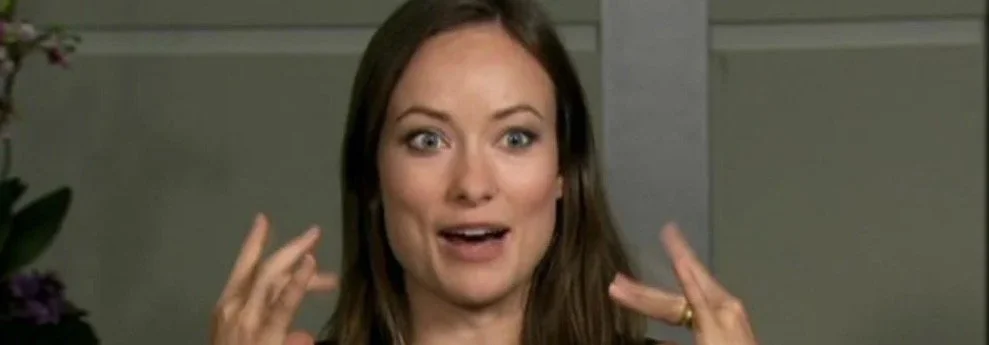
There’s a special place in my heart for the drama that surrounded the making of Olivia Wilde’s “Don’t Worry Darling,” a 2022 production unlike any we’d seen before.
Where to begin? Between rumors of a feud between Wilde and her lead, Florence Pugh; allegations of on-set infidelity; Shia LaBeouf calling out the entire production; and, of course, Spitgate, the summer of 2022 was a truly astounding—and potentially career-derailing—moment for Wilde.
Wilde is now finally tackling the drama behind the making of “Don’t Worry Darling,” setting the record straight, so to speak, with her own version of the events that transpired—or did they?
In a new interview with The Cut, Wilde claims the speculation, including reports that she and Pugh had screaming matches during production, was false. Wilde admitted she was advised not to publicly respond to the rumors when they surfaced.
“I was told, ‘Don’t say a f–ing word. Just go out there and smile,’” she recalled. “I resent that, but it taught me it’s not the way I want to handle things.”
“I wanted to be like, ‘None of this is true,’” she added, noting that Hollywood “robbed” her of her “naïveté for sure.”
Who here actually believes what Wilde is saying? Do I really need to recap the behind-the-scenes chaos that engulfed “Don’t Worry Darling”? Wilde’s directorial career was unfolding like a reality TV show.
For the uninitiated, it’s now the stuff of Hollywood legend. It has long been rumored that Wilde was not the sole creative force behind the film—here’s looking at you, Florence Pugh and Matthew Libatique. Her on-set presence was, shall we say, reportedly sporadic, with Pugh and cinematographer Matthew Libatique allegedly stepping in to help guide scenes when Wilde and Harry Styles were missing in action. Pugh’s subsequent silence and reluctance to promote the film only fueled speculation about the behind-the-scenes turmoil.
It didn’t help that Shia LaBeouf, who was originally part of the cast, disputed Wilde’s public claim that she had fired him from the film. LaBeouf even provided text messages to Variety that proved he had voluntarily left the project and that creative differences—particularly over rehearsal practices and acting methods—were the real reason for his departure.
LaBeouf was replaced by Harry Styles, who ultimately entered into a relationship with Wilde while her then-partner, Jason Sudeikis, occasionally visited the set with their two children. According to persistent reports, this is when Pugh began expressing concerns about Wilde’s professionalism on set.
It all culminated in one of the most disastrous world premieres in recent memory at the Venice Film Festival. Pugh’s appearance on the Lido became a viral pop-culture event due to her highly visible, frosty distance from Wilde. Citing a scheduling conflict, Pugh skipped the afternoon press conference with Wilde and the main cast. When she finally arrived for the red carpet that very evening, she pointedly avoided interacting with Wilde. The tension appeared to peak during the film’s standing ovation, with cameras capturing the pair keeping their distance from one another. Pugh later capped off the evening with a social media post that omitted any mention of Wilde.
“Don’t Worry Darling” was eventually panned, earning a 38% score on Rotten Tomatoes. Critics hated it. It wasn’t as bad as some claimed, nor was it as good as it should have been. Of course, perhaps unsurprisingly, The New Yorker’s Richard Brody was a fan.
At one point, a making-of documentary for “Don’t Worry Darling”—assuming any behind-the-scenes footage exists—has the potential to be a masterpiece. Note to the producers: scrap whatever you’re currently doing. It’s not too late to assemble a behind-the-scenes documentary. It could very well become the next “Hearts of Darkness” or “Burden of Dreams.”
Pugh obviously wants no part of that. She could see the train wreck coming from miles away. Four years later, she still refuses to comment on the whole saga.
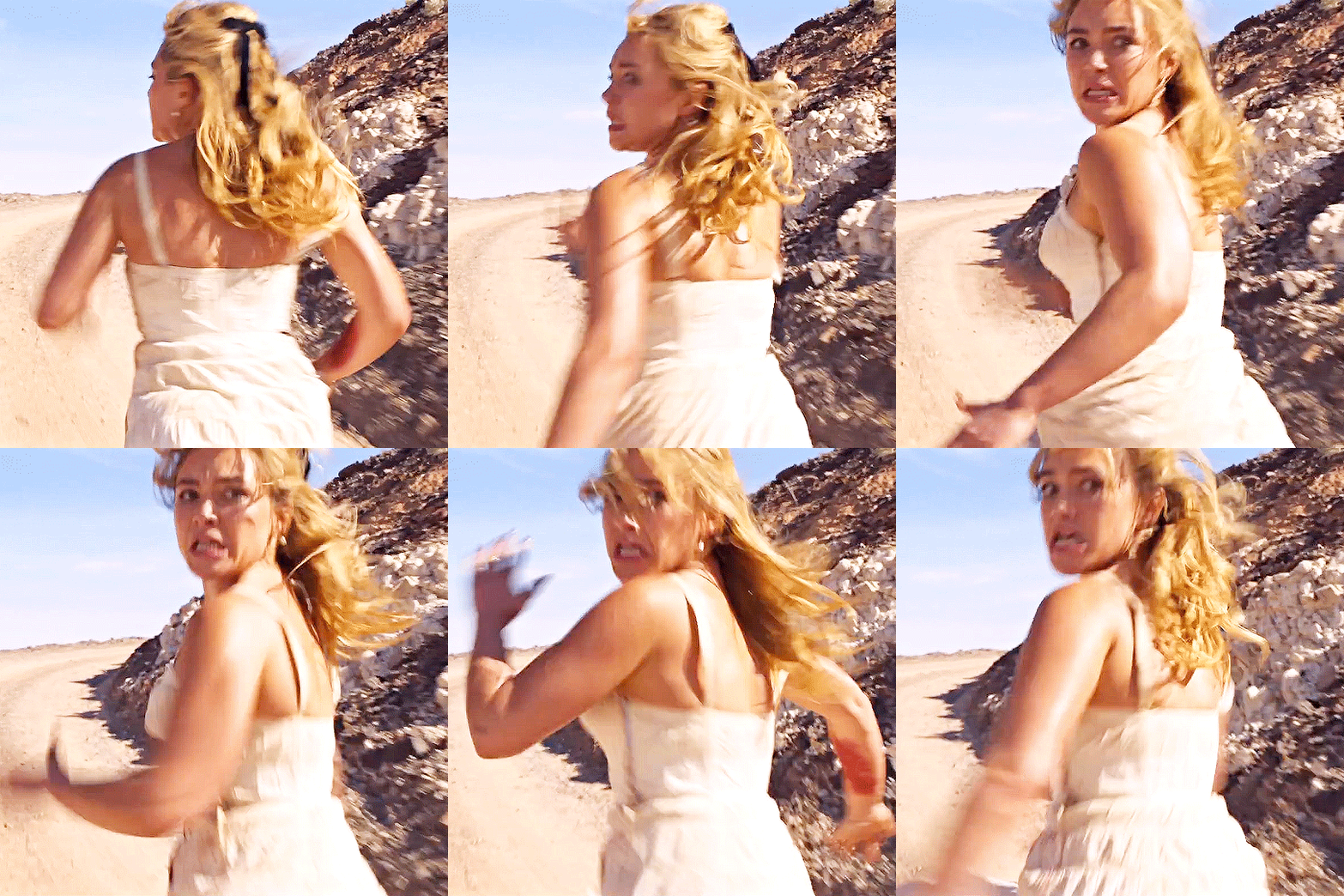

Scratch the 50/50. It's more like 70% mixed-to-negative from what I've seen, but it's got a few defenders, which leaves me very curious.