



This film is a vibe. Arthur Harari’s “The Unknown” is shot with grounded realism but is also full-on weird fantasy, but the “weird” here goes beyond the word’s usual reach.
A Cannes competition title, “The Unknown” is a body-swap movie that plays like David Lynch directing “Freaky Friday” — the body horror is deeply psychological. On top of that, there are flashes of “It Follows,” and even Kafka’s “The Metamorphosis.” It’s a lot—sometimes almost too much—but absolutely fascinating in that, quite frankly, I’ve never seen a film like this before. Isn’t that all we ask for?
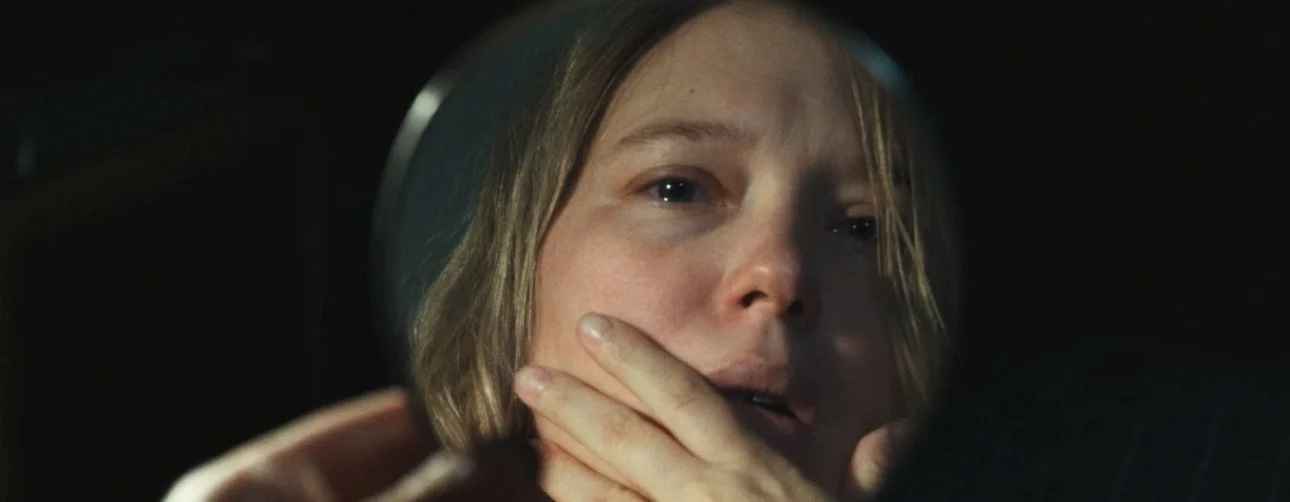
The main character, David Zimmerman (Niels Schneider), is a photographer obsessed with documenting old Paris. He’s also quietly fixated on Eve, a mysterious woman played by Léa Seydoux, who already feels somewhat unreal even before she properly appears. He spots her again at a Christmas party. They end up sleeping together in a grimy underground basement. And then, the next morning, she wakes up and realizes David is now in her body.
From there it gets weirder, and more tangled. David/Eve tries to figure out what’s going on, breaks into her apartment, and starts hunting for his own body. But it’s not a simple swap situation. There’s this chain reaction of possession and displacement, like bodies being passed around through sex and proximity. Another woman, Malia (Lilith Grasmug), gets pulled into it too, and suddenly it feels less like a mystery and more like a spreading infection of stolen identities.
The film makes it clear there isn’t really any way for these characters to return to their original forms. It is less interested in resolution than in a kind of disquieting suspension.
What’s interesting is that the film keeps wobbling between “bold and interesting” and, at times, total and utter frustration. There are moments where you think: okay, this is taking risks, it’s going somewhere uncomfortable and unusual—and then other parts where it feels like it’s just circling ideas without really landing them. That’s part of the fascination in watching this film.
It’s all just rather bizarre, really. At some point, both of them wonder whether it might be possible to correct the mess by having sex again. The idea hangs there awkwardly. By this point, I felt like I was drifting through some half-lit philosophical fog. Was I dreaming this? An unnecessary coda snapped me ba k into reality, but I still can’t shake off many of the images Harari created here.
It’s all very baffling, uneasy, and oddly hard to shake off.

When one amigo gets hit, the other two show up. That's been the deal for three decades between Alejandro G. Iñárritu, Guillermo del Toro and Alfonso Cuarón, and it's playing out in real time this weekend