
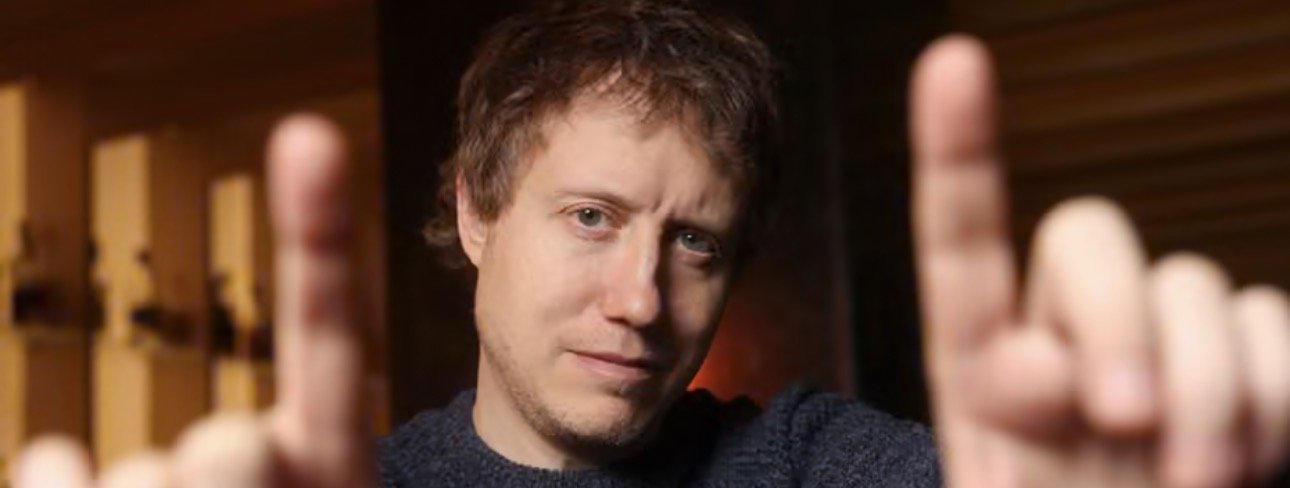
László Nemes is at it again, not backing down from anything — now taking aim at the cultural climate surrounding growing ideological pressure within the film industry.
Just a refresher: Back at Cannes 2015, Nemes’ “Son of Saul” stunned the festival and went on to win the Best Foreign Language Film Oscar. A Holocaust drama stripped of sentimentality, it trapped viewers in an unrelenting first-person nightmare—an experience both unforgettable and nearly unbearable.
In this interview with The Guardian, Nemes, who returns to Cannes with “Moulin,” connects the original impact of “Son of Saul” winning the Oscar to how differently he believes it would be received today.
He describes the experience of the film’s awards run as almost overwhelming. However, he stresses in the interview that the context around an Oscar win for a Holocaust-related film would be very different now.
He argues that if “Son of Saul” were released now, “nobody would touch it with a 10ft pole,” suggesting that the same project would struggle to even get awards momentum in the current cultural climate. This is tied to his broader claim that “anything that’s Jewish is now considered … politically radioactive,” which he presents as part of a wider cultural shift.
There’s an orgy of antisemitism, an absolute, shameless orgy of antisemitism, overtaking the west.
I mean, how do you explain “The Brutalist” and “A Real Pain” winning Oscars in 2025? Then again, maybe Nemes is referring to the foreign Academy body, which is responsible for voting in the Best International Feature Film category.
He goes further in saying that Hollywood now filters work through ideology rather than artistic seriousness. In that framing, the Oscar success of “Son of Saul” becomes almost impossible to imagine repeating today because the environment around awards has changed. He contrasts the earlier reception — where the film was embraced as formally radical and historically urgent — with what he sees as today’s “overclass” of cultural gatekeeping shaping what gets supported and recognised.
Nemes has also been outspoken in other recent debates. Most notably, he criticised Jonathan Glazer’s Oscars speech for “The Zone of Interest” despite praising the film itself, arguing that making a Holocaust-related work carries a serious ethical obligation. He described the speech as “appalling.”

After this weekend, when “Artificial” and “Behemoth!” screen at NYFF, there won’t be many Oscar contenders left unseen. In fact, by my count, there are just two: ‘Cliff Booth,’ and “Dune: Part Three.”