
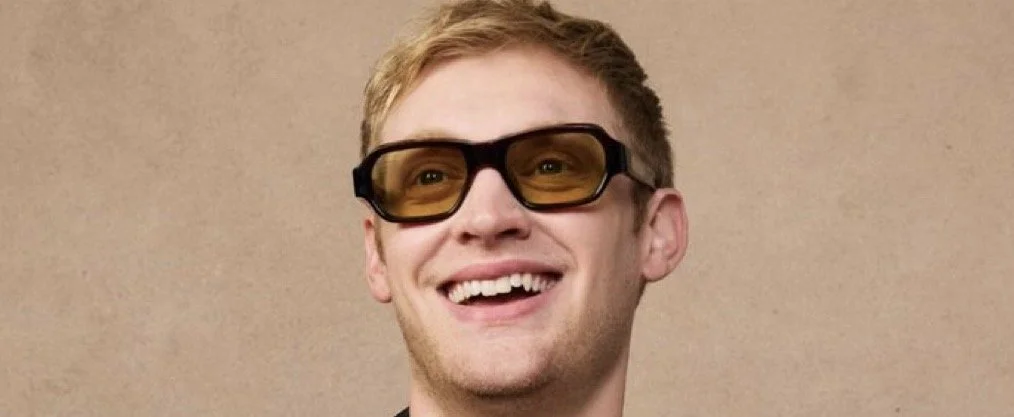



Who’d a thunk it? Jordan Firstman, known for his viral social media “impressions” and indie film work, has delivered a wonderful directorial debut at Cannes Film Festival with “Club Kid.”
This film has been earning raves since its debut yesterday, and I finally caught up with it this morning, finding it to be a true crowd-pleaser — a film that wears its heart on its sleeve and elevates its otherwise conventional story to thoroughly entertaining levels. The outlets praising this film include IndieWire (A-), THR, Screen, Vulture, The Playlist, and The Film Stage. I’m sure a bidding war is currently happening for this film, which has been described by quite a few as a hybrid of A24 and “Big Daddy.”
“Club Kid” follows Peter (Firstman), a chaotic New York party promoter whose life revolves around drugs, hookups, and nightlife excess. The film opens a decade earlier, depicting Peter and his friend Sophie indulging in nonstop coke and sex as they dominate the city’s club scene. Jump to the present, and Peter remains trapped in the same self-destructive lifestyle, living in his late mother’s rent-controlled apartment and scraping by through party hosting and drug dealing while his personal and professional relationships begin to collapse.
As Peter spirals further, he receives mysterious calls from the UK that he ignores — until a British woman named Edison suddenly appears at his apartment with 10-year-old Arlo, the son Peter unknowingly fathered during a drug-fueled encounter years earlier. He can’t even remember the hookup. Edison abruptly disappears, forcing Peter into the unfamiliar role of caretaker as he and Arlo slowly begin to form a bond.
Now, of course, the film that immediately comes to mind after reading this synopsis is “Big Daddy,” but “Club Kid” somehow avoids becoming overly schmaltzy in the way that film often does by aiming for realism and grounding the story in themes of aging and responsibility.
“Club Kid,” which very much still uses the “Big Daddy” formula, is shot in a gritty style — lots of handheld camerawork — and it works best when it stops trying to be outrageous and instead focuses on the loneliness and the evolving father-son dynamic. Beneath the gritty surface, this still very much plays like a Hollywood movie. It’s not high art, but rather an immensely affectionate portrait of maturity.
That said, the film gradually shifts into more serious territory, and that’s Firstman’s hidden card here — one that elevates the material in a touchingly poignant final stretch.
Don’t read too much into the hyperbolic Cannes Film Festival reviews, which seem to paint Firstman as the potential second coming of American indie cinema. He still has room to improve, but as far as debuts go, this will be one of the more impressively confident ones we see this year.

Zach Cregger’s next film, “The Flood,” has found its lead actress, and it’s none other than Jennifer Lawrence. Steven Spielberg is producing. Warner Bros. has it dated for August 11, 2028