
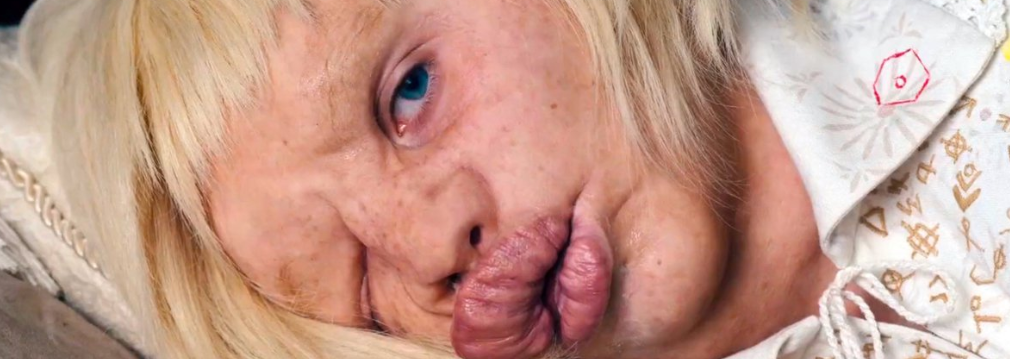
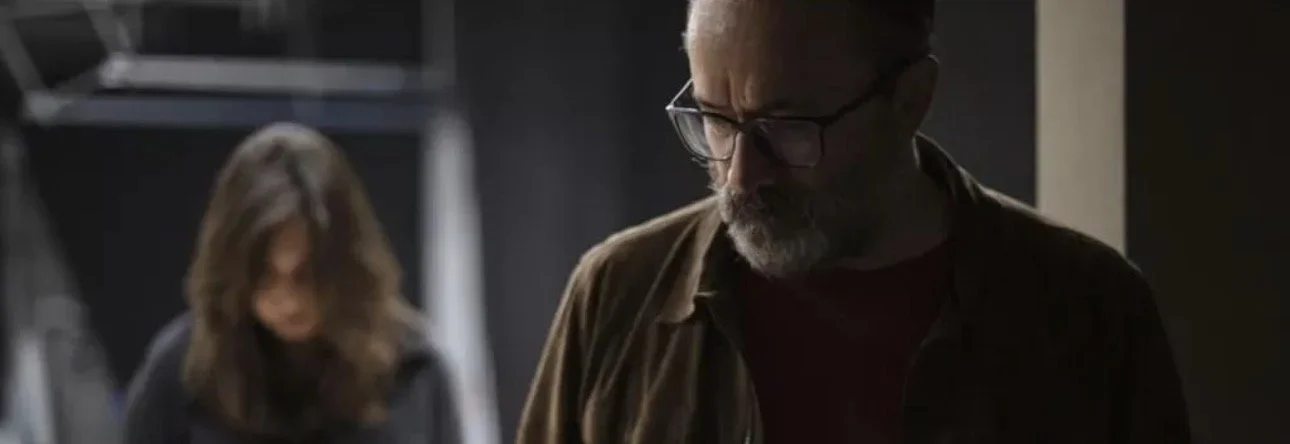
In this THR interview, Russisn filmmaker Andrey Zvyagintsev calls ”Minotaur,” his latest Cannes competition film, “a miracle” largely because he almost died during COVID in 2021.
After his catastrophic illness — including a medically induced coma, severe lung damage, and nearly a year in hospitals and rehabilitation — he genuinely believed he might never direct again. Somehow, he has returned to filmmaking with his first film in nearly ten years.
What exactly caused Zvysgintsev’s health to deteriorate? It had been publicly reported that he’d received the Sputnik V COVID vaccine in June 2021 and shortly afterward became seriously ill. Zvyagintsev himself said, “It all started with the Sputnik vaccine,” but he also stated that doctors believed he may already have had COVID at the time of vaccination, which could explain the severity of his illness.
What I find additionally intriguing from this interview is that Zvyagintsev actually positions “Minotaur” as a remake to Claude Chabrol’s “The Unfaithful Wife,” which itself was already remade by Adrian Lyne with 2002’s “Unfaithful” — that film featured an Oscar-nominated performance from Diane Lane.
I gather Zvyagintsev will tackle a similar blueprint, a bourgeois-adulterous wife from a stable marriage, and the erotif disruption, mounting guilt, that results after the affair. erotic
That said, Zvyagintsev is a completely different director to Lyne, with the latter turning Chabrol’s material into an erotic thriller driven by sensation, and suspense. Zvyagintsev’s take will likely approach the opposite cinematic temperament. He’s known to drain events into silence, and spiritual exhaustion.
Zvyagintsev hasn’t directed a film since 2017’s “Loveless” — another gem in a filmography that has become one of the very best in international cinema. A two-time Oscar nominee, known for his bleak, Russia-set cinema, he won the Venice Film Festival’s top prize in 2003 for “The Return” and the Cannes Film Festival Jury Prize in 2017 for “Loveless.” His most acclaimed film remains 2014’s extraordinary “Leviathan.”

The “Miami Vice '85” cast keeps growing. Andrew Schulz has boarded Joseph Kosinski's big-screen reboot for Universal, per Deadline, joining leads Michael B. Jordan and Austin Butler.