


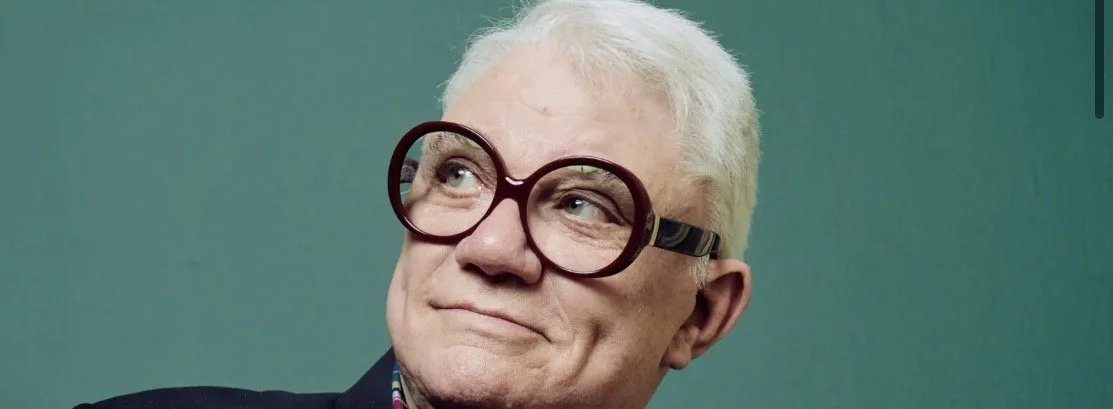
I still read Rex Reed sometimes.
Not often, and usually a little guiltily, but there was comfort in knowing somebody still had the nerve to say a movie was boring. And usually, he did. I’d email with him from time to time, and always got a kick out of his contrarian views. The last time we spoke, he said he wanted to throw a wrench at the screen after watching “Tár.”
Reed was notably bitchy about “Get Out.” He included Jordan Peele’s horror satire on his list of the “10 Worst Films of 2017” and later made a sarcastic remark during a television interview, saying he “didn’t care if all the black men are turned into robots” — despite the film not actually involving robots.
Reed never really adapted to the critical consensus that formed around slow cinema and modern-day inventiveness. He came from an older idea of movies, one rooted in classic Hollywood craftsmanship. That’s why, for example, he’s rave about “My Week With Marilyn” and shrug off “Memoria.” He wanted pace, structure, stars, dialogue, scenes that built toward something.
Variety notes that Reed died in his sleep in New York at 87, after a career that stretched across newspaper criticism, celebrity journalism, television appearances, Broadway coverage, and decades at the Observer. He’d been around long enough to interview Buster Keaton, served on Berlin and Venice juries, and still be filing reviews well into his late eighties. The Observer piece mentions that he was still upset about missing Toronto after covering it for 25 years because of his health problems.
He could absolutely be nasty. But reading through the remembrances today, especially the long piece from Observer and the Variety obituary, what comes through is how completely he belonged to another era of criticism — one where critics were personalities, not just bylines.
Honestly, I think that’s why I kept reading him from time to time. Not because I agreed with him — I often didn’t — but because his reviews still felt connected to the ordinary physical experience of watching a movie. Is this thing alive? Does it move? Does it have blood in its veins? Reed never really lost interest in those questions.
A lot of criticism now feels strangely careful to me, overly respectful of atmosphere and intention. Reed belonged to a generation that thought boredom itself could be a failure of art. Even when he was unfair, there was at least a human pulse behind the reaction.
And maybe that’s part of what people found irritating about him. He never really stopped believing movies should put on a show.

Hill, coming off the miserable reviews for this year's “Outcome,” now has yet another film destined for a long delay. This time, it's “Cut Off,” his third directorial effort, which was set to hit theaters this July