


Now that Marvel Studios doesn’t quite hold the same cultural clout it once did, we are still seeing the influence of those films seeping into other IP, including video game adaptations like “The Super Mario Bros. Movie” and “A Minecraft Movie”.
It’s pretty simple, really. Marvel’s emphasis on clearly defined heroes, comedic pacing, and straightforward good-versus-evil plotting has become especially visible in recent non-Marvel blockbusters. Studios have realized that the prevailing blueprint tends to include bright, accessible world-building and archetypal character roles, often shaped into broadly family-friendly adventure narratives designed for maximum reach.
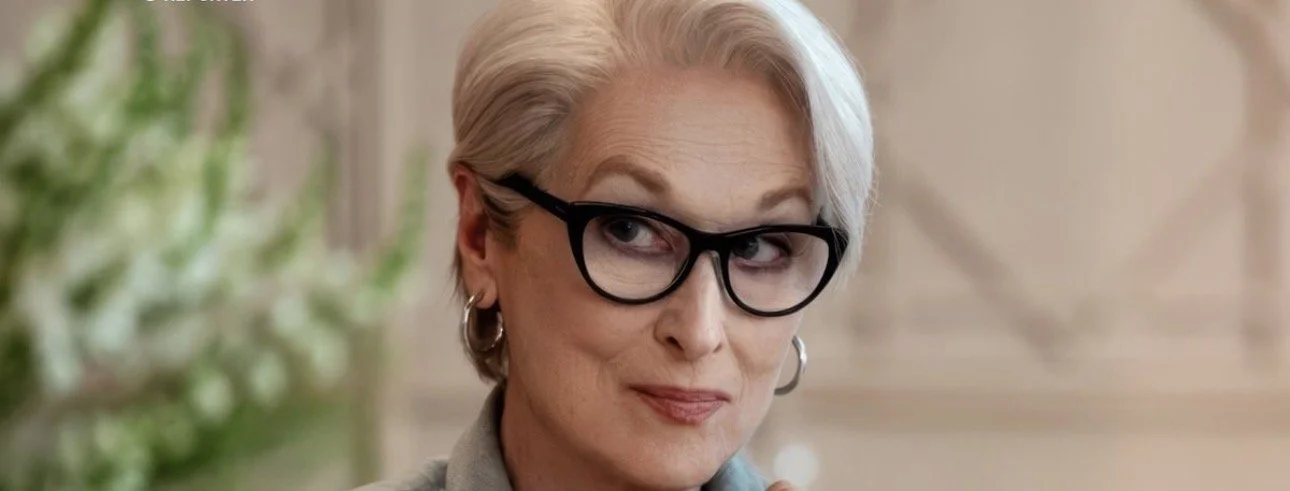
Meryl Streep, speaking on the “Hits Radio Breakfast Show”, calls it the “Marvelization” of movies. She argued that the genre has “Marvel-ized” storytelling, flattening characters into predictable heroes and villains, whereas real life — and more interesting cinema — involves morally complex, “messier” people with mixed traits.
Streep said she prefers stories where both protagonists and antagonists feel human and layered, noting that “some of the heroes are flawed and some of the villains are human and interesting.”
I think we tend to Marvel-ize the movies now. We got the villains and we got the good guys, and it’s so boring. What’s really interesting about life is that some of the heroes are flawed and some of the villains are human and interesting and have their own strengths. So that’s what I like about this [movie]. It’s messier.
I mean, how depressingly truthful is that?
Of course, there are still studio and semi-studio films — especially in thrillers, horror, and some prestige releases — that lean heavily into moral ambiguity, discomfort, and provocation. However, the bigger shift, to my eyes at least, is how tentpole franchises value safety and brand consistency over risk, which, truth be told, is a tried and proven business model for building and sustaining Hollywood IP.

Criterion's December lineup has some great additions to the library, but the title that jumped out at me is Werner Herzog's "Grizzly Man," which officially joins the Collection on December 8.