

This year, I’ve noticed the debate about the unusually large gap between movie critics and general audiences coming up again, especially around major blockbusters.
A lot of that, to me, comes down to broader shifts in how we watch and talk about films. Online rating platforms have obviously amplified audience voices, which has made disagreements with critics much more visible than they used to be. At the same time, streaming and franchise dominance have changed what most people are actually watching, so critics and audiences are often not even operating in the same part of the film landscape anymore.
What you end up with isn’t just disagreement over individual movies—it’s a deeper split in what people think movies are for. It’s always been true that critics and audiences don’t perfectly align. A film like “Memoria” might be treated by critics as a masterpiece, while its low audience score doesn’t really surprise me. Slow, meditative cinema has always run against mainstream expectations.
The way I see it, critics are trained—and kind of obligated—to look past immediate enjoyment. They focus on structure, direction, originality, and meaning. Most viewers, completely understandably, care more about whether something is engaging, emotional, or entertaining in the moment.
I don’t really think the healthiest relationship between critics and audiences is agreement anyway. It’s dialogue. Sometimes even disagreement. Film is subjective—it only really works because people come to it with different instincts and reactions. Thus the enormous divide on a film like, say, “Michael.”
That said, I do think we’ve reached a point where a large part of mainstream viewing is a bit passive. The Netflix Top 10 is an obvious example. There’s also this growing feeling that a chunk of audiences are watching these films half-distracted, scrolling on their phones while something just plays in the background.
With all that in mind, I’ve put together a list of fifteen notable films from the last 15–20 years that critics strongly praised but audiences were much more divided on. All of these fall in the 85–95% range on Rotten Tomatoes, and every single one appeared on hundreds of year-end top 10 lists (source: CriticsTop10). Which of these do you agree with the audience on?
“The Assistant” — 25%
“The Souvenir” — 38%
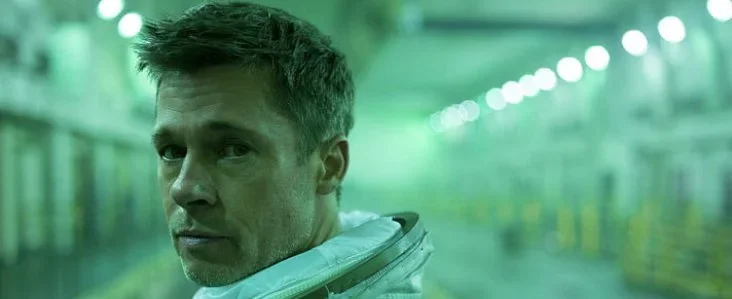
“Ad Astra” — 40%
“Star Wars: The Last Jedi” — 42%
“Memoria” — 42%
“Showing Up” — 47%
“Uncut Gems” — 50%
“I’m Thinking of Ending Things” — 50%
“The Green Knight” — 50%
“Under the Skin” — 55%
“The Beast” — 56%
“The Tree of Life” — 59%
“The Witch” — 59%
“The Master” — 62%
Then you have the opposite end of the spectrum—films that audiences genuinely love but critics are often far more dismissive of. In these cases, the gap usually comes down to genre, tone, or just a different idea of what “good” entertainment looks like.
Films like “Grandma’s Boy” (15% critics to 85% audience) and “The Boondock Saints” (26% to 91%) are perfect examples of cult films that critics never really embraced, but audiences turned into long-term favorites. Then you have films like “Michael” (38% to 97%) and “Hillbilly Elegy” (24% to 81%), where a lot of critics seemed resistant to due to pre-conceived biases of the subject matter, while audiences connected with the emotional tone more directly.
And in genre-heavy or high-concept films like “The Butterfly Effect” (34% to 81%), and “Where the Crawdads Sing,” the divide becomes even clearer: critics focus on narrative logic or execution, while audiences respond to the emotional idea at the center of it.
On one side you have films that lean toward form, experimentation, or restraint. On the other, films that prioritize accessibility, familiarity, or immediate entertainment. I don’t really see either side as “wrong”—just working with different expectations of what cinema is supposed to do.

Gerwig says her Netflix-bound "Narnia" is not a retread of the past movies; instead, she "wanted a rock opera," starting from scratch with C.S. Lewis's origin story, the one in which Narnia is actually born.