

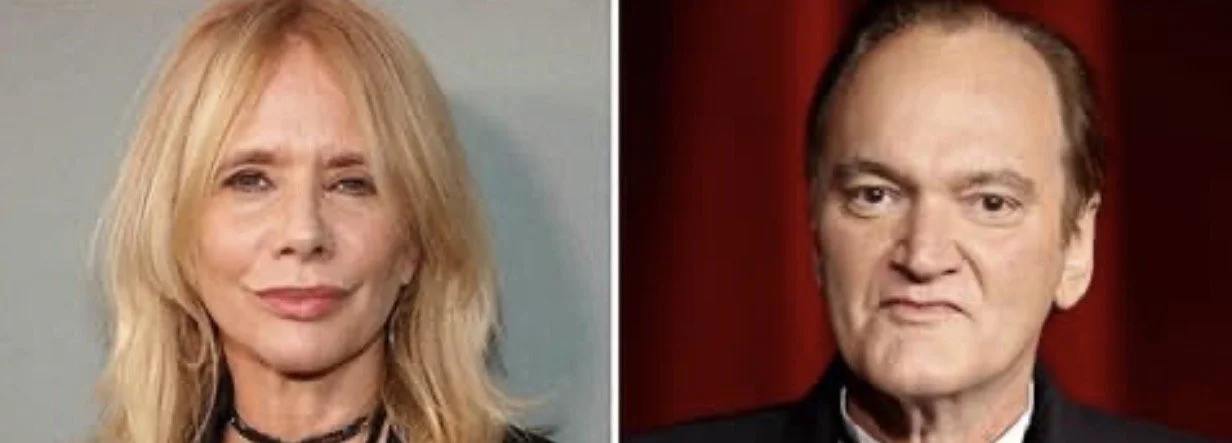
Rosanna Arquette, who was in “Pulp Fiction,” where she portrayed the wife to Eric Stoltz’s character, has suddenly turned on Quentin Tarantino.
In an interview with The Times, Arquette does call the film “iconic” and “great,” though she slams Tarantino having been given a “hall pass” when it comes to using the “N-word” in his work.
It’s iconic, a great film on a lot of levels, but personally I am over the use of the N-word — I hate it. I cannot stand that he [Tarantino] has been given a hall pass. It’s not art, it’s just racist and creepy.
The use of the N-word in Tarantino’s oeuvre has been debated for years, and it seemed to have calmed down this decade — is Arquette trying to revive it? The most contentious moment came in 2012 when “Django Unchained,” which stars Jamie Foxx, came out, and had people immediately zeroing in on the language — the N-word is used more than 110 times in the film by both Black and white characters. That alone was enough to ignite a firestorm.
One of the most vocal critics back then was Spike Lee, who told Vibe magazine that he refused to even see the film. “It’s disrespectful to my ancestors. That’s just me,” Lee said at the time. “I’m not speaking on behalf of anybody else.”
Lee had already taken issue with Tarantino years earlier. After the release of “Jackie Brown” in 1997, the director of “Malcolm X” publicly criticized what he called Tarantino’s “excessive use of the N-word.”
I have a definite problem with Quentin Tarantino’s excessive use of the N-word, and let the record state that I never said that he cannot use that word — I’ve used that word in many of my films — but I think something is wrong with him.
Tarantino, for his part, has not apologized, here’s what he said in 2013:
They think I should soften it, that I should lie, that I should massage. I would never do that when it comes to my characters.
Not one word of social criticism that’s been leveled my way has ever changed one word of any script or any story I tell. I believe in what I’m doing wholeheartedly and passionately. It’s my job to ignore that.
Meanwhile, Sam Jackson, who starred in eight QT movies, has continued to defend Tarantino over the years, arguing that the language reflects how characters would realistically speak. In a 2019 interview, he dismissed the criticism outright:
It’s some bullshit… You can’t just tell a writer he can’t write the words people would actually say. Then it becomes untruthful. There’s no dishonesty in anything that Quentin writes or how people talk, feel, or speak [in his movies].
Honestly, this topic pops up every few years, and Tarantino always seems to weather the storm and keep making movies. It certainly helps that his last film, 2019’s “Once Upon a Time in Hollywood,” didn’t utter the word once and instead stirred up controversy elsewhere—most notably with its depiction of Bruce Lee.

Earlier this year, Zack Snyder mentioned having seen James Gunn’s “Superman.” Heaping praise on it. Now he’s saying he actually hasn’t caught up with it yet?